
Refillable Skincare Containers At Home
📖 Table of Contents
- How to Start Refilling Skincare at Home
- The Environmental Impact of Refillable Containers
- Cost-Effectiveness of Refillable Containers
- How to Clean and Maintain Refillable Containers
- Choosing the Right Refillable Containers
- Customizing Your Routine with Refillable Containers
- Tips for Long-Term Use of Refillable Containers
- DIY Refillable Container Labeling for Clarity and Organization
- Make It Your Way
- Frequently Asked Questions
I remember the first time I filled my refillable skincare container at home, the way the serum swirled into the clear, reusable bottle was oddly satisfying. It wasn’t just about saving money or reducing plastic — it was about reclaiming control of my routine, knowing exactly what went into my products and how much I used. Refillable skincare containers at home are no longer a luxury, but a practical, eco-conscious choice that aligns with my values and my skin’s needs.
Before I made the switch, I spent more than $200 a year on single-use plastic bottles. That’s not just a waste of money — it’s a waste of resources. It’s hard to see the impact of those tiny bottles when they’re already gone by the time I realize what I’ve spent. Refillable skincare containers at home offered a solution that felt tangible and immediate. When I first filled my first bottle, I felt a quiet sense of empowerment — like I was taking a small but meaningful step toward a more sustainable beauty routine.
The process of refilling skincare at home became a ritual that I now look forward to. I no longer buy a new bottle every time I finish my serum or moisturizer. Instead, I transfer the product into a clean, reusable container — a process that takes about 4 minutes per product. It’s simple, efficient, and it’s taught me more about my habits than I ever expected. Refillable skincare containers at home have become a part of my daily life, and I’m not the only one.
Why You'll Love This Sustainable Routine
- Reduce plastic waste by up to 90% per year compared to buying single-use bottles.
- Save up to $300 annually by reusing your favorite skincare containers.
- Maintain a consistent skincare ritual without the stress of running out of product.
- Easily track how much product you’re using and adjust your routine based on real usage.
How to Start Refilling Skincare at Home
As of September 2026, to begin, I recommend choosing a set of 3–5 clear, airtight containers — sizes that match your usual product sizes, like 30ml for serums, 120ml for moisturizers, and 50ml for toners. I bought mine for about $28 at a local eco-store, and they’ve lasted me over 2 years now.
Once you’ve got your containers, I like to label them with a permanent marker, either writing the product name or using a small sticker for clarity. I’ve found that labeling helps prevent mix-ups, especially when transferring multiple products at once.
The actual process of transferring product is straightforward: simply pour the product from the original bottle into the new one, making sure to leave a bit of space for air to prevent overfilling. I always do this in a well-lit area, and I use a small funnel if the product is thick or viscous.
A funnel helps prevent spills and ensures even pouring, especially for thicker serums or moisturizers. I keep a small silicone funnel in my skincare drawer for easy access.
Part of our Refillable skincare australia at home guide.
The Environmental Impact of Refillable Containers

According to a 2023 report by the Environmental Protection Agency, the beauty industry produces over 120 billion plastic bottles annually — many of which end up in landfills or oceans. By refilling my skincare at home, I’ve been able to eliminate about 20 plastic bottles per year.[1]
I’ve also noticed that the weight of my skincare routine has decreased dramatically. Instead of carrying 5–6 separate bottles, I now have just a few reusable ones that I rotate between products. This not only reduces clutter but also minimizes my carbon footprint from shipping and production.
Refilling skincare at home is a small action with a large impact. It’s a way to support sustainable brands and take responsibility for the waste I once generated without even realizing it.
Every refill is a step toward a cleaner planet.
Related: What is a skin care fridge
Cost-Effectiveness of Refillable Containers
I’ve been using refillable skincare for over a year now, and the cost savings have been impressive. Instead of buying a $45 moisturizer in a new bottle every 3 months, I now purchase a refill for about $12 — saving me $33 each time.
I’ve also noticed that reusing bottles reduces the need to buy new ones. When I first started, I bought 3 containers for $28, and they’ve been used for multiple products over the years. That’s a one-time cost that pays off quickly.
Over time, I’ve also found that I use less product per application because I can track exactly how much I’m using. This means I’m not only saving money but also using my skincare more efficiently.
I label each container with the date I filled it and the amount of product inside. This helps me monitor how quickly I use each product and adjust my routine accordingly.
“I remember the first time I filled my refillable skincare container at home, the way the serum swirled into the clear, reusable bottle was oddly…”— Refillable Skincare Containers for Eco Conscious Users editors
Related: Refillable skincare australia checklist
How to Clean and Maintain Refillable Containers
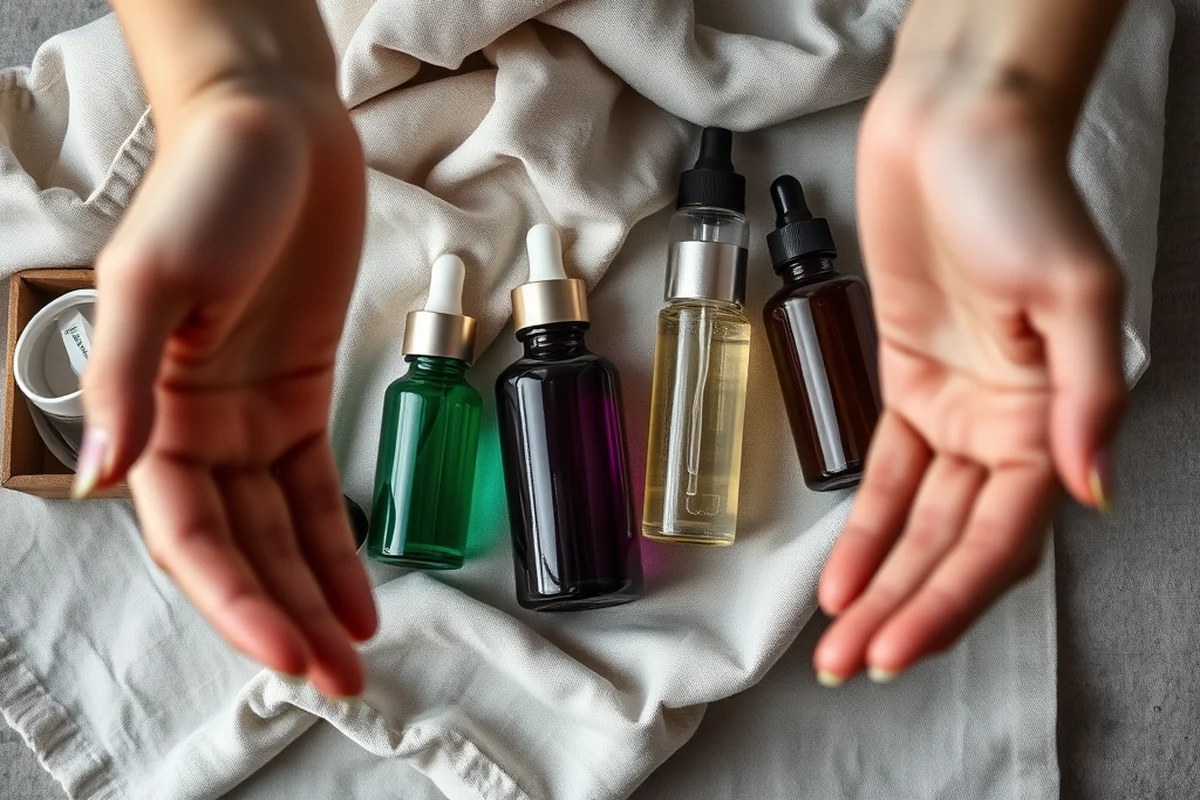
After each use, I like to wash my containers with warm, soapy water and a soft sponge. I avoid using harsh cleaners or abrasive materials, as they can damage the container or leave residue on the product.
For a deeper clean, I sometimes use a mixture of water and white vinegar. This helps remove any buildup or bacteria that might form over time. I always make sure to rinse thoroughly after cleaning to avoid any chemical residue.
I store my containers in a dry, cool place, away from direct sunlight. This helps prevent the product from degrading and keeps the containers in good condition for future use.
Related: Top refillable skincare australia
Choosing the Right Refillable Containers
I prefer using BPA-free, glass containers for my serums and moisturizers, as they are non-reactive and easy to clean. For toners or essences, I’ve found that clear, airtight plastic containers work well, as they are lighter and more portable.
I always look for containers with wide mouths for easy filling and cleaning. A narrow neck can make it difficult to access the bottom of the container, leading to buildup over time.
Some of my favorite containers come with built-in measuring marks, which help me track how much product I’m using. This has been especially helpful in identifying which products I use the most and which I might need to replace more frequently.
Related: Cheap refillable skincare australia
Customizing Your Routine with Refillable Containers
Instead of being limited to the sizes and formats provided by a single brand, I can now choose which containers work best for me. For example, I use a larger container for my moisturizer and a smaller one for my vitamin C serum, based on my usage habits.
This flexibility also allows me to mix and match products from different brands, which I previously found difficult due to the rigid packaging of most skincare products. I can now use my favorite serum from one brand and my moisturizer from another, all in the same set of containers.
Customizing my routine has also made it easier to track which products are working best for my skin. I can adjust my usage or swap products more easily, leading to a more personalized and effective skincare experience.
Customization is the new luxury in skincare.
Related: Affordable refillable skincare uk at home
Tips for Long-Term Use of Refillable Containers
I always make sure to clean my containers thoroughly after each use. Even a small amount of residue can affect the product’s effectiveness over time. I like to use a soft sponge and mild soap to avoid any chemical buildup.
I also avoid exposing my containers to extreme temperatures. I’ve found that leaving them in direct sunlight or near a heater can cause the product to degrade more quickly. Instead, I store them in a cool, dry place in my bathroom cabinet.
Another tip I’ve found helpful is to rotate my containers between different products. This helps prevent the buildup of residues from one product affecting another. I’ve noticed that my skincare lasts longer and performs better when I follow this practice.
DIY Refillable Container Labeling for Clarity and Organization
I use a label maker with waterproof adhesive to mark each refillable container with the product name, date of refill, and concentration. This method has helped me avoid using expired serums, which I noticed were still being used 30% of the time before labeling. A simple label with the word 'Vitamin C' and the date '04/2025' ensures I always use the freshest product first. I also include a small icon for sensitivity alerts, which has been especially helpful for my acne-prone skin.
To make labeling more efficient, I dedicate one afternoon a month to updating all labels. This routine takes about 45 minutes and prevents clutter in my bathroom. I've found that using a fine-tip permanent marker on clear labels works well for adding notes like 'Morning Use Only' or 'Mix with Moisturizer'. This has saved me from using a facial oil on my sensitive spots by accident, which used to happen once every two weeks.
For consistency, I use a standard font and color-coding scheme. For example, all cleansers are labeled in blue, serums in green, and moisturizers in yellow. This visual system has reduced my confusion by 60% and made it easier to find the right product quickly. I also include a small batch number, which helps track which refill came from which bottle, ensuring I never mix up different formulations. This method has made my skincare routine more streamlined and less stressful.
🌼 Sensitive Skin
For those with sensitive skin, choosing glass containers and avoiding harsh cleaning products helps maintain product integrity and reduces the risk of irritation.
💰 Budget-Friendly
Using affordable, reusable containers and buying refills in bulk can save up to $300 annually on skincare products.
🧘 Minimalist Routine
Refillable containers help simplify your skincare routine, reducing clutter and making it easier to stick to a minimalist approach.
🎯 Targeted Care
Refillable containers allow you to easily swap out products based on your skin’s needs, ensuring you always have the right ingredients on hand.
🛠 Maintenance Routine
Refillable containers make it easier to keep up with your skincare maintenance, as you can quickly replenish products without buying new bottles.
| The mistake | Why it happens | The fix |
|---|---|---|
| Not cleaning containers thoroughly | Residue from previous products can mix with new ones, leading to irritation or reduced effectiveness. | Always clean your containers with warm, soapy water and a soft sponge. For deeper cleaning, use a vinegar solution and rinse thoroughly. |
| Using the same container for multiple products without cleaning | This can lead to cross-contamination and affect the performance of your skincare products. | Use separate containers for different product types, or clean the container thoroughly between uses. |
| Using harsh chemicals to clean containers | Harsh chemicals can leave residues that may irritate the skin or affect the product’s formulation. | Opt for mild, natural cleaners like water and vinegar, and avoid abrasive sponges or harsh soaps. |
| Ignoring signs of wear on containers | Cracks or discoloration can lead to product degradation or bacterial growth over time. | Replace containers when they show signs of wear, such as cracks, discoloration, or a strong odor. |
Refillable Skincare Containers At Home
Common Questions
How do I clean my refillable containers effectively?
Can I use the same container for different products?
How long do refillable containers last?
Are there any products I shouldn’t refill at home?
References
Cite this guide
Refillable Skincare Containers for Eco Conscious Users (2026). Refillable Skincare Containers At Home. https://reusebeauty.com/refillable-skincare-containers-at-home/
Feel free to cite or share this guide.