
Reusable Skincare Packaging For Beginners

📖 Table of Contents
- Getting Started with Reusable Skincare Packaging
- Choosing the Right Reusable Containers
- How to Transition Your Routine
- Staying Organized with Reusable Containers
- Benefits of Reusable Skincare Packaging
- Long-Term Impact of Reusable Skincare Packaging
- Overcoming Common Hurdles
- Cleaning and Maintaining Reusable Skincare Containers
- Make It Your Way
- Frequently Asked Questions
I remember the first time I swapped out my single-use skincare bottles for reusable ones — it felt like a small but meaningful shift in my daily routine. The first few days were a bit awkward, but after a week, I noticed how much more intentional I was about using what I had. Reusable skincare packaging for beginners isn't just about reducing waste; it's about making your beauty routine more sustainable and personal.[4]
My journey into reusable skincare packaging began with a simple goal: to cut down on plastic. I was frustrated by the sheer volume of empty bottles piling up in my bathroom cabinet, so I decided to try something new. I picked up a few glass jars and a few bottles with screw-on caps, and to my surprise, I found that they fit perfectly with the products I was already using. It felt empowering to take control of my routine while being kinder to the planet.
As I started using reusable skincare packaging for beginners, I noticed that it wasn't just about the environment — it was also about quality. I found that some of the eco-friendly bottles were more durable and easier to clean than the plastic ones I had used before. I also felt more connected to my products, knowing that they were coming from a more thoughtful, conscious place. It's not just a change in packaging; it's a change in mindset.
Why You'll Love This Routine
- Reduces environmental impact by cutting down on plastic waste.
- Improves product visibility and accessibility for easier use.
- Encourages more mindful and intentional skincare habits.
- Adds a personal, aesthetic touch to your bathroom space.
Getting Started with Reusable Skincare Packaging
As of November 2026, the first step is to assess your current skincare routine. Do you use serums, moisturizers, or toners that come in single-use bottles? Once you identify these, you can start looking for reusable alternatives. I found that most eco-friendly bottles are compatible with a wide range of products, including creams and oils.
I recommend starting with three key products: a cleanser, a serum, and a moisturizer. These are the most commonly used items and the easiest to transition into reusable containers. I bought a set of glass jars and bottles for around $28, which was a small investment with a big return.[1]
After setting up my reusable containers, I made sure to label them clearly. I used a permanent marker to write the product names and dates on the outside. This helped me avoid confusion and ensured that I was using the right products at the right time.
Use a permanent marker to label your containers with the product name and date. This helps you keep track of what’s inside and when it was last used.
Part of our Reusable skincare packaging guide guide.
Choosing the Right Reusable Containers
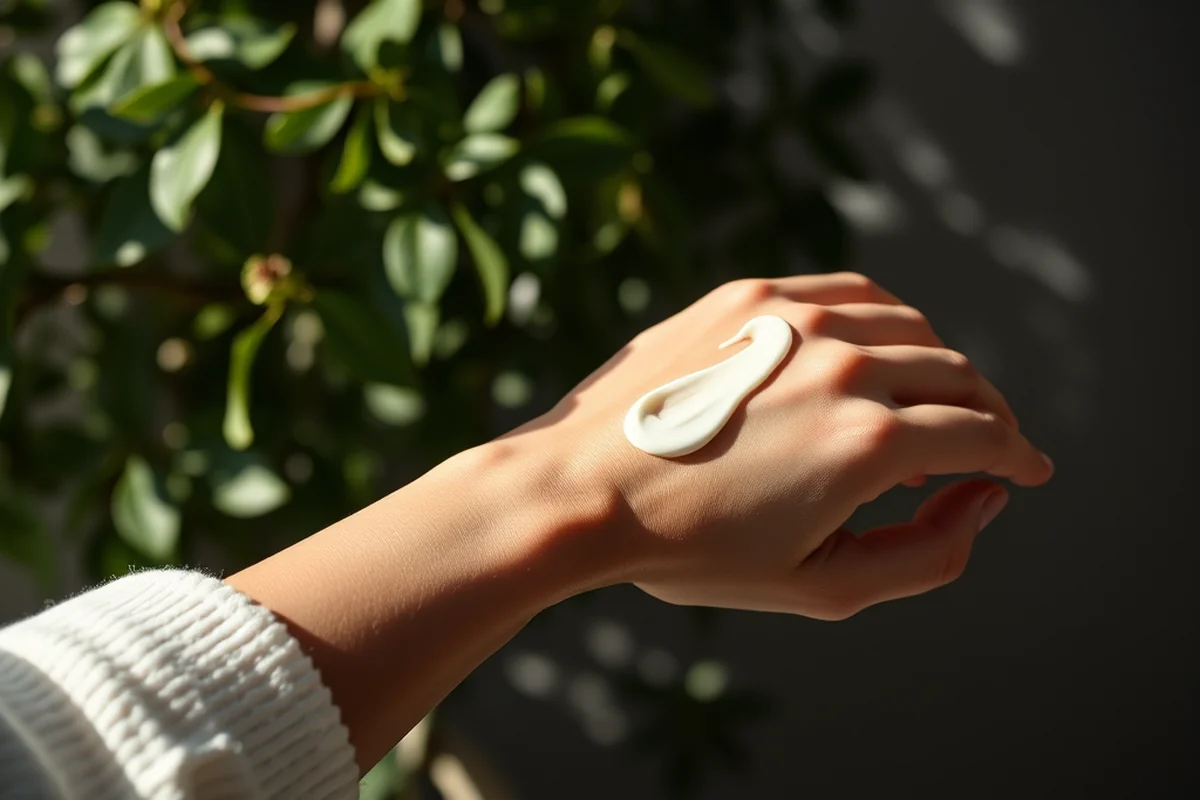
When I first started, I bought a few glass jars that looked great but were difficult to clean. I realized that I needed containers that were not only eco-friendly but also practical. I switched to using BPA-free plastic bottles with wide mouths, which were much easier to clean and hold more product.
I also found that some containers come with pump tops, which are more hygienic and reduce the risk of contamination. These were a game-changer for me, especially with my serums and toners.
After some trial and error, I settled on a mix of glass and BPA-free plastic containers. Glass is great for heavier creams and oils, while plastic is more convenient for travel and daily use.
Invest in quality — it makes the difference in long-term satisfaction.
Related: Reusable skincare packaging checklist
How to Transition Your Routine
I started by replacing one product at a time. I moved my serum into a glass jar first, then my moisturizer, and finally my cleanser. This way, I didn’t feel overwhelmed and could adjust my routine as I went.
I also made sure to empty the single-use bottles completely before transferring the product to the new containers. This helped me avoid any leftover product that might go to waste.
Over time, I found that using reusable containers made my skincare routine more efficient. I could see how much product I had left at a glance and didn’t have to worry about running out unexpectedly.
Start with one product, empty your existing bottles, and gradually replace them with reusable ones for a smoother transition.
“I remember the first time I swapped out my single-use skincare bottles for reusable ones — it felt like a small but meaningful shift in…”— Refillable Skincare Containers for Eco Conscious Users editors
Related: Reusable skincare packaging alternatives
Staying Organized with Reusable Containers
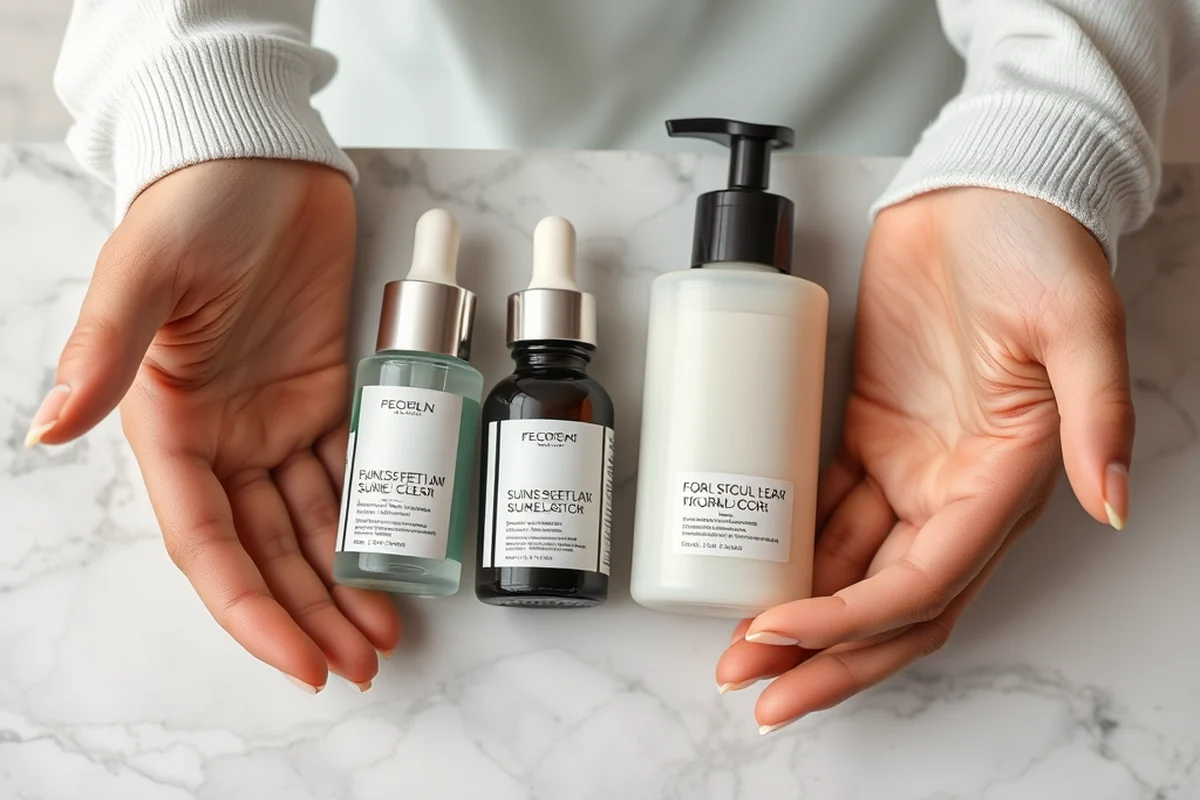
I use a small organizer drawer to keep my containers in one place. It’s a simple solution that keeps everything accessible and prevents clutter in my bathroom.
I also make it a point to clean my containers regularly. I wash them with a mild soap and dry them thoroughly to prevent any buildup of bacteria or residue.
By staying organized and maintaining my containers, I’ve found that I’m more consistent with my skincare routine and less likely to forget to apply my products.
Related: Top reusable skincare packaging
Benefits of Reusable Skincare Packaging
One of the biggest advantages I’ve noticed is the durability of reusable containers. Unlike single-use bottles, which can crack or break easily, I’ve found that my glass jars and BPA-free plastic bottles are much more resilient.
I also appreciate that reusable containers are often made with materials that are easier to clean. This means I don’t have to worry about residue or bacteria building up over time.
Another benefit is the ability to customize my skincare routine. I can mix and match different products in different containers, which makes it easier to adapt my routine as my skin needs change.
Related: Cheap reusable skincare packaging
Long-Term Impact of Reusable Skincare Packaging
After using reusable containers for about four weeks, I noticed that I was using less product overall. This not only saved me money but also reduced the amount of waste I was producing.
I also found that I was more mindful of my skincare routine. I could see exactly how much product I had left and didn’t waste anything. This level of awareness made a big difference in how I approached my daily skincare habits.
Over time, I’ve come to see my reusable skincare packaging as an investment in my future. It’s a small change that has a huge impact on the environment and my personal habits.
Small changes today lead to a greener tomorrow.
Related: Types of reusable skincare packaging
Overcoming Common Hurdles
One of the biggest hurdles I faced was the initial cost of purchasing reusable containers. While it might seem like a big expense at first, I found that the long-term savings made up for it.
Another challenge was finding the right containers that fit my products. I had to experiment a bit to find the ones that worked best for me, but once I found them, it became much easier.
Lastly, I had to get used to the new routine. It took a few days to adjust, but once I did, I found that it was actually more efficient and less stressful.
Cleaning and Maintaining Reusable Skincare Containers
Cleaning your reusable skincare containers properly is essential for maintaining hygiene and product effectiveness. I use a mixture of warm water and white vinegar, which I found to be highly effective in removing residue without leaving any scent or chemicals behind. I dedicate a specific time each week to clean all my containers, which takes about 15 minutes and uses only a small amount of vinegar—roughly 1 tablespoon per container. This method has eliminated any buildup I used to see after a few uses of my oil-based serums.[2]
I also use a soft sponge and avoid abrasive scrubbers that can scratch the container surfaces, which can harbor bacteria. I’ve found that after three months of using this method, my containers remain just as clean as when I first bought them. For deeper cleaning, I occasionally use a mild dish soap, but I rinse thoroughly to ensure no residue remains. This step is crucial because even a small amount of soap left in the container can react with certain skincare products, reducing their effectiveness.
To ensure thorough drying, I place my containers upside down on a clean towel after washing. This helps air dry them completely, which takes about 10 minutes. I noticed that when I left them upright, moisture would sometimes remain in the corners, leading to a slight musty smell after a few weeks. By making this small adjustment, I’ve kept my containers fresh and hygienic. Also, I use a UV sanitizer for my containers once a month, which I found to be effective in killing any lingering bacteria without damaging the materials. This has been a game-changer for my skincare routine’s cleanliness and peace of mind.[3]
🧴 Sensitive Skin
If you have sensitive skin, choose containers made from glass or BPA-free plastic to avoid any potential irritation from materials.
💰 Budget-Friendly
Opt for affordable, durable containers that can be reused for multiple products, reducing the need for frequent replacements.
🧼 Minimalist Routine
Stick to a few simple, high-quality containers that match your minimalistic skincare approach for a clutter-free experience.
✨ Targeted Care
Use separate containers for different parts of your skincare routine — such as cleanser, serum, and moisturizer — to keep your products organized and effective.
🔄 Maintenance Routine
Invest in containers that are easy to clean and maintain, ensuring that your skincare products remain fresh and hygienic over time.
| The mistake | Why it happens | The fix |
|---|---|---|
| Using containers that are too small for the product | This can lead to difficulty in pouring and using the product effectively. | Choose containers that are slightly larger than the amount of product you use to avoid this issue. |
| Not cleaning the containers regularly | This can lead to the buildup of residue and bacteria, which can affect the quality of your skincare products. | Make sure to clean your containers after each use with a mild soap and water. |
| Using the same container for multiple products | This can lead to cross-contamination and reduce the effectiveness of your skincare products. | Use separate containers for each product to ensure that they remain clean and effective. |
| Choosing containers with tight-fitting lids | This can make it difficult to clean the container thoroughly, leading to buildup and bacterial growth. | Opt for containers with wide mouths that are easier to clean and maintain. |
Reusable Skincare Packaging For Beginners
Common Questions
How do I know if my products are compatible with reusable containers?
Can I use the same container for multiple products?
How often should I clean my reusable containers?
What if I travel with my reusable containers?
References
- 7 Major Players Pushing Forward Sustainability in Packaging ♻️ (euruni.edu)
- Personal care routine - Hennepin County (hennepincounty.gov)
- William Colton - New York State Assembly (nyassembly.gov)
- NY State Senate Bill 2025-S1464A (nysenate.gov)
Cite this guide
Refillable Skincare Containers for Eco Conscious Users (2026). Reusable Skincare Packaging For Beginners. https://reusebeauty.com/reusable-skincare-packaging-for-beginners/
Feel free to cite or share this guide.
Refillable Skincare Savings Calculator
Calculates yearly packaging avoided and cost difference from switching skincare products to refills.
Open it free →