
Refillable Skincare Bottles Troubleshooting
📖 Table of Contents
Refillable skincare bottles troubleshooting begins with understanding the common issues users face, from leakage to compatibility problems. Whether you're dealing with a malfunctioning bottle or simply looking for alternatives, this guide covers the essentials. It’s not just about finding a solution—it’s about ensuring your skincare routine remains sustainable, effective, and convenient.
The rise of refillable skincare has revolutionized the beauty industry, but with innovation comes complexity. Many users encounter challenges such as improper sealing, product contamination, or difficulties in refilling. This hub page is designed to walk you through each of these scenarios with clear, actionable advice.
By the end of this guide, you’ll be equipped to troubleshoot common issues, choose the best refillable bottles for your needs, and even consider alternative options when necessary. Whether you're a frequent traveler or a daily skincare enthusiast, this resource will help you handle the world of refillable skincare with confidence and clarity.
Key Takeaways
- Refillable skincare bottles require proper maintenance to avoid leakage and contamination.
- Travel-friendly refillable options exist, but they often require smaller bottle sizes and secure closures.
- Common issues like not working or malfunctioning can usually be resolved with simple fixes like cleaning or replacing parts.
- Alternatives to refillable bottles include bulk purchasing, subscription models, and eco-friendly packaging.
Examples & Ideas
As of August 2026, Refillable skincare bottles are not a one-size-fits-all solution. They range from minimalist, single-ingredient containers to multi-functional, modular systems that allow you to refill multiple products from a single base bottle. For instance, brands like Lush have long offered solid shampoo bars, while The Ordinary’s packaging is designed to be reused multiple times with refill capsules. These examples show how refillable systems can be tailored to different skincare preferences and lifestyles.[1]
One of the most popular refill systems is the airless bottle, which minimizes product exposure to air, reducing oxidation and extending the shelf life of your skincare. These are especially useful for serums and oils, which are more prone to degradation. Brands like Kjaer Weis have created high-end refillable systems that are both luxurious and sustainable. A notable example is their powder foundation, which uses a refillable compact to reduce waste.
Innovative ideas also include refill stations in stores or at home. Some beauty retailers, such as Sephora, have begun offering in-store refill options for select skincare brands. At home, you can use refillable containers designed for specific products, like hyaluronic acid serums or vitamin C treatments. These systems not only reduce environmental impact but also help users save money over time by avoiding repeated purchases of new packaging.
In this guide:
In this guide:
In this guide:
In this guide:
Refillable Travel
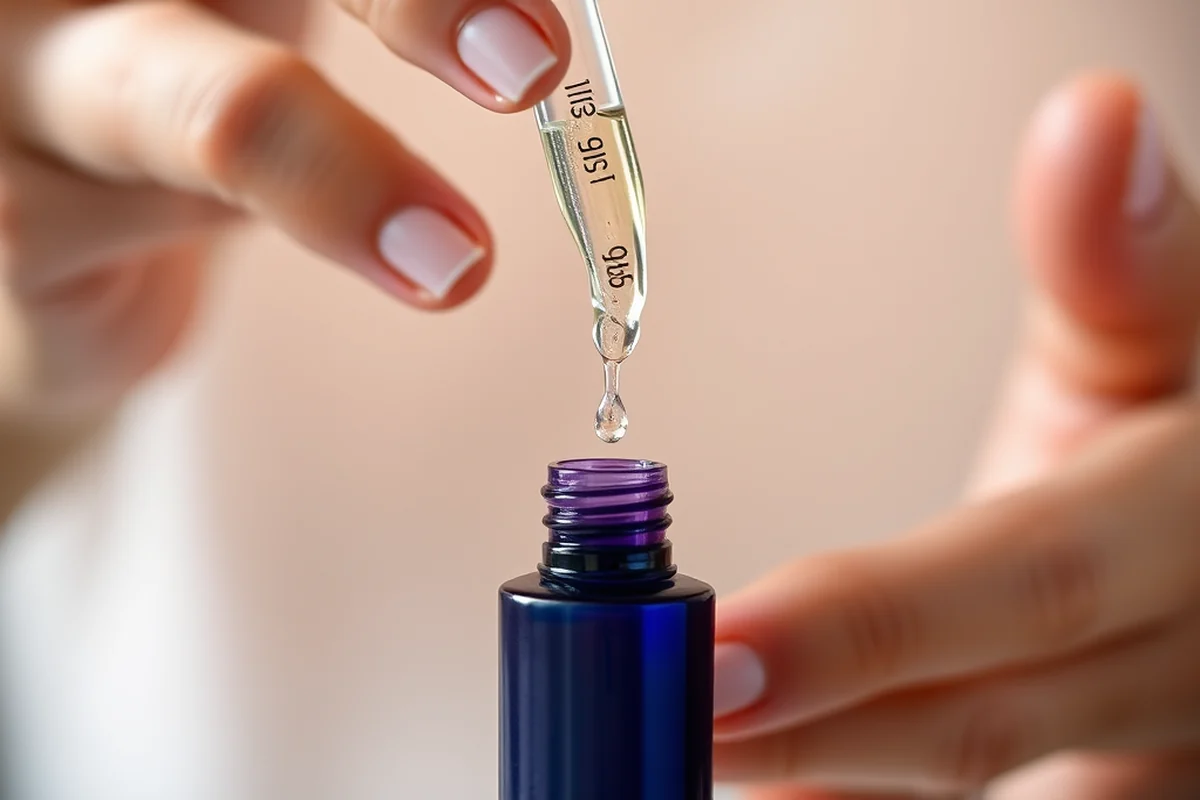
Traveling with skincare can be a logistical nightmare, especially when you’re limited to liquids under 100ml. Refillable travel bottles solve this by offering smaller, TSA-approved sizes that can be refilled multiple times. Brands like EcoTools and EcoVessel provide travel-sized refillable bottles that are both functional and environmentally friendly.
One of the best examples of a refillable travel system is the TIPA reusable bottle, which is designed for liquid products and can be refilled from larger containers. These bottles come with airtight closures that prevent leaks during transit, making them ideal for air travel. Also, many refillable bottles come with interchangeable caps, allowing them to be used for different types of skincare, such as toners, serums, and moisturizers.
For a more comprehensive solution, some brands offer refillable travel kits that include multiple bottles, a carrying case, and a set of refills. These kits are perfect for travelers who want to simplify their skincare routine without compromising on quality or sustainability. A study by the Global Sustainable Beauty Coalition found that 68% of travelers prefer refillable skincare options due to their convenience and environmental benefits.[2]
Related: Refillable Skincare Bottles Vs
Related: Cheap Refillable Travel Bottles Skincare Kit
Related: Affordable Refillable Travel Bottles Skincare Containers
Related: Top Refillable Skincare Bottles
Related: Top Refillable Bottles For Skincare
Related: Best Refillable Skincare Bottles
Related: Refillable Bottles For Skincare Vs
Related: Refillable Skincare Bottles Comparison
Related: Refillable Travel Bottles Skincare Containers Comparison
Not Working
When a refillable skincare bottle fails to function, it’s often due to a simple but overlooked issue—improper sealing. Many refill systems rely on airtight closures to maintain product integrity. If the seal is damaged or not properly closed, the product may evaporate or become contaminated. Always check the closure before use and ensure it is securely fastened.
Another common issue is incorrect product viscosity. Some refillable bottles are designed for specific types of products, such as lightweight serums or thick moisturizers. If you use a product that is too thick or too thin, it may not flow properly through the bottle, causing clogging or uneven dispensing. Always refer to the manufacturer’s guidelines to ensure compatibility.
Improper refilling technique is another frequent culprit. Refillable systems often require a specific method to avoid spills or air pockets. For example, some bottles use a vacuum system that requires you to squeeze the bottle while refilling. If not done correctly, the vacuum may not engage, leading to poor performance. Always follow the step-by-step instructions provided by the brand to ensure a smooth refill process.
“When a refillable skincare bottle fails to function, it’s often due to a simple but overlooked issue—improper sealing.”— Refillable Skincare Containers for Eco Conscious Users editors
Related: Refillable Skincare Bottles
Problems
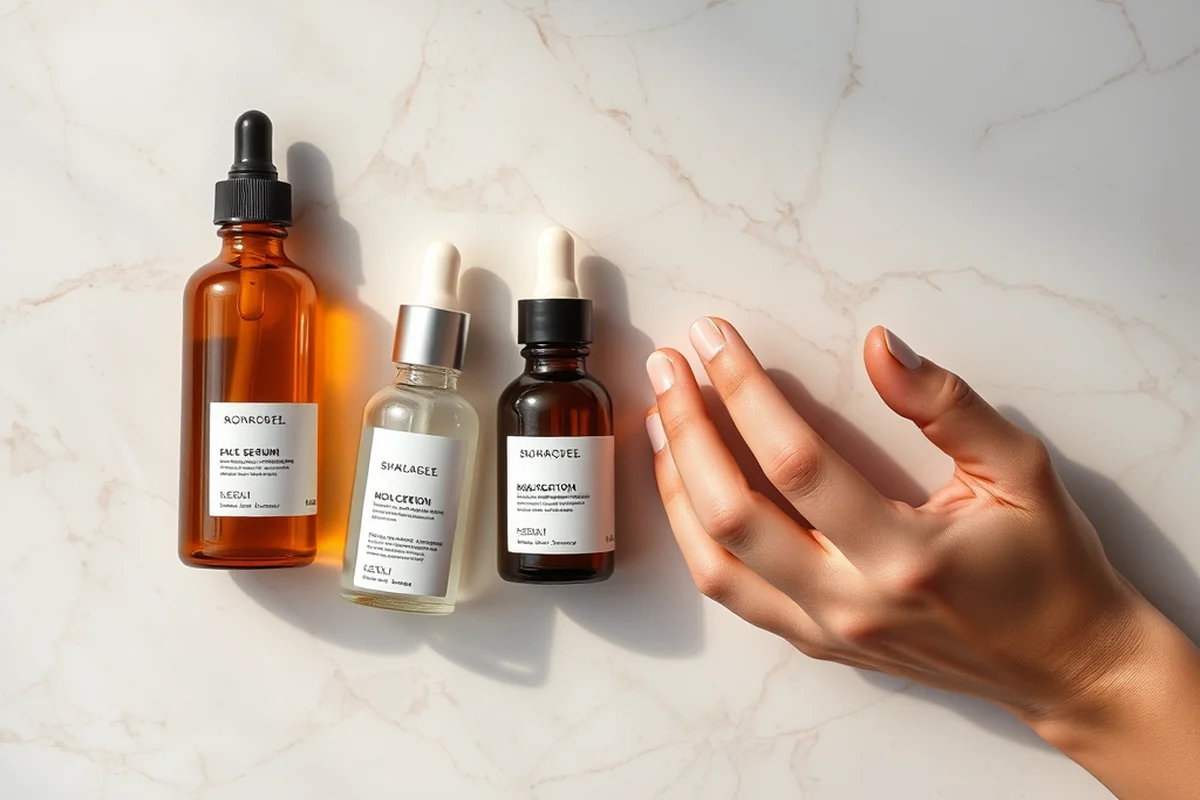
Leakage is one of the most frequent problems users encounter with refillable skincare bottles. This can occur due to damaged seals, improper closures, or overfilling the bottle. To prevent leakage, always ensure the bottle is sealed correctly and not overfilled. Some bottles have marked fill lines to help users avoid overfilling.
Clogging is another common issue, especially with products that are high in viscosity or contain particulates. If a bottle becomes clogged, it can lead to uneven dispensing or complete blockage. To prevent this, it’s important to use the correct product type as recommended by the manufacturer. Also, regular cleaning of the bottle and its components can help prevent buildup and clogging.[3]
Compatibility issues can arise when using refillable bottles with products that are not designed for them. For example, using a moisturizer in a bottle meant for serums can lead to improper dispensing or product degradation. Always check the manufacturer’s guidelines to ensure you are using the right product in the right bottle. If in doubt, reach out to the brand’s customer support for clarification.
Related: Sustainable Refillable Skincare Benefits
Comparisons
When comparing refillable skincare bottles, material is a key consideration. Common materials include plastic, glass, and stainless steel. Plastic is lightweight and affordable but may not be as durable or eco-friendly as glass or stainless steel. Glass bottles are popular for their reusability and resistance to chemical leaching, making them ideal for products like serums and oils. Stainless steel is often used for travel bottles due to its durability and leak-proof design.
Size is another important factor, especially for travelers. Refillable bottles come in a range of sizes, from small 10ml travel bottles to larger 120ml refill containers. The right size depends on your usage frequency and storage needs. For example, a 30ml bottle may be sufficient for a serum, while a 100ml bottle might be needed for a moisturizer used daily.
Refill system type also varies. Some bottles use a vacuum system that requires squeezing the bottle to create suction, while others use a simple pour-and-close method. The choice of refill system depends on your preference and the type of product you’re using. For instance, vacuum systems are ideal for liquids, while pour-and-close systems are better suited for thicker creams and lotions.
Alternatives
Bulk purchasing is a popular alternative for those who prefer to buy skincare products in large quantities and refill them into their own containers. This approach reduces packaging waste and allows for greater control over the products used. However, it requires a commitment to managing your own refilling system, which may not be ideal for everyone.
Subscription models are another option, offering a curated selection of skincare products delivered directly to your door. These models often include eco-friendly packaging and may provide refillable containers as part of the service. Brands like Credo and Clean Beauty Club offer subscription-based services that emphasize sustainability and convenience.
Eco-friendly packaging is an alternative that doesn’t require refilling but still reduces environmental impact. Brands are increasingly using recyclable or biodegradable packaging materials, such as paper-based containers or compostable bottles. While this option doesn’t eliminate the need for new packaging, it offers a more sustainable alternative to single-use plastics.
Templates
Templates serve as a blueprint for refillable skincare bottles, ensuring uniformity in size, shape, and compatibility across different products. They are essential for manufacturers to streamline production and reduce errors. A well-designed template also facilitates easier refilling and user experience, making the process more intuitive for consumers.
When creating refillable skincare packaging, templates help maintain brand identity while ensuring functional and sustainable design. They can be customized to fit various bottle types, from droppers to pump bottles, while maintaining consistency in the refill system. This standardization supports scalability and reduces the environmental impact of packaging waste.
Also, templates are crucial for troubleshooting common refill issues such as misalignment, leakage, or improper fitting. By using consistent templates, manufacturers can identify and address design flaws early in the production cycle. This proactive approach minimizes defects and ensures a seamless refill experience for users, reinforcing trust in the product's quality and sustainability.
Refillable Solid
Refillable solid skincare, such as bars or compacts, requires specialized packaging that accommodates solid forms while maintaining hygiene and usability. Unlike liquid refills, solid refills must be designed to prevent contamination and ensure even application. Proper packaging design is crucial to maintain product integrity and user satisfaction.
One of the key challenges with refillable solid skincare is ensuring that the refill mechanism is both user-friendly and hygienic. This often involves the use of containers with secure closures, compartmentalization, or inserts that protect the solid product from exposure to air and moisture. These features help maintain the product’s effectiveness and shelf life.
Troubleshooting for refillable solid skincare can include issues like product breakdown, uneven distribution, or difficulty in removing the refill from the container. Manufacturers must test various materials and designs to ensure compatibility with the solid form. By addressing these challenges early, brands can deliver a seamless, eco-conscious experience that aligns with consumer expectations for sustainable beauty.
Tools, Materials and Resources
To ensure a smooth refill process, it's essential to have the right tools and materials on hand. A clean, narrow funnel helps prevent spills and ensures accurate pouring, while measuring cups or scales are useful for precise dosing of skincare products. Airtight, reusable containers are also crucial to maintain product integrity and prevent contamination.
In addition to physical tools, online resources and brand-specific guides can be invaluable. Many skincare brands provide detailed instructions on how to refill their bottles safely and effectively. These resources often include videos, FAQs, and step-by-step tutorials tailored to different product types and refill systems.
When in doubt, reach out to customer support or consult community forums for troubleshooting tips and advice. Investing in high-quality refillable bottles and accessories also ensures longevity and reduces the need for frequent replacements, promoting a more sustainable skincare routine.
Troubleshooting and Common Questions
One of the most common issues with refillable skincare bottles is leakage, which can occur due to improper sealing or overfilling. To prevent this, always ensure the bottle cap is securely tightened and avoid filling it beyond the recommended level. Checking for any cracks or wear on the bottle is also a good preventive step.[4]
Clogging can be another challenge, especially with thicker products like serums or oils. To avoid this, it's important to clean the bottle thoroughly before refilling and to use a funnel to prevent product residue from building up in the neck of the bottle. If clogging occurs, soaking the bottle in warm, soapy water can help loosen any blockage.
Contamination is a concern when refilling skincare products, as bacteria can grow in moist environments. Always ensure that both the bottle and the refill product are clean and dry before refilling. Using a dedicated brush or spatula for transferring product can also help minimize contamination. If in doubt, it's better to replace the bottle than risk product safety.
Getting Started: Your First Steps
To get started with refillable skincare bottles, choose bottles that are compatible with your skincare products. Check for material safety, such as BPA-free plastic or glass, and ensure the bottle is designed for the specific product type, such as serums, creams, or toners. This compatibility ensures a secure fit and prevents leaks.
Before using a new refillable bottle, clean it thoroughly. Wash with warm, soapy water, rinse well, and allow it to air dry completely. Avoid using harsh chemicals or abrasive materials that could leave residues or damage the bottle's interior. Proper cleaning is essential to prevent product contamination and ensure hygiene.
Once cleaned, familiarize yourself with the brand's refill instructions. Some bottles may require specific pouring techniques or tools, while others are designed for easy, one-step refills. Always follow the guidelines to avoid spills, air pockets, or overfilling. Taking these initial steps ensures a smooth and successful refill experience.
🌱 Beginner
The simplest version — minimal supplies, quick win.
💰 Budget
Same result using what you already have.
⚡ Quick
The 10-minute version for busy days.
✨ Advanced
The upgraded version once the basics stick.
| The mistake | Why it happens | The fix |
|---|---|---|
| Using the wrong type of product in a refillable bottle | This can lead to clogging, improper dispensing, or product degradation. | Always check the manufacturer’s guidelines to ensure compatibility between your product and the refillable bottle. |
| Overfilling a refillable bottle | Overfilling can cause leakage and may damage the bottle’s internal components. | Use the fill line markers on the bottle to ensure it is filled to the correct level. |
| Neglecting to clean the refillable bottle regularly | Buildup of product residue can lead to clogging and reduced performance over time. | Clean the bottle and its components regularly using mild soap and water to maintain optimal function. |
refillable skincare bottles troubleshooting
Common Questions
What are some examples of refillable skincare bottles?
How can I create a refillable travel skincare kit?
What should I do if my refillable skincare bottle is not working?
What are common problems with refillable skincare bottles?
Cite this guide
Refillable Skincare Containers for Eco Conscious Users (2026). Refillable Skincare Bottles Troubleshooting. https://reusebeauty.com/refillable-skincare-bottles-troubleshooting/[5]
Feel free to cite or share this guide.
References
- Mini toiletries in lodgings law - Washington State Department of ... (ecology.wa.gov)
- A refillable water bottle station but for soap? How one alum is ... (engineering.ucsc.edu)
- mmds_spell.txt - CDC (ftp.cdc.gov)
- Microplastics and Nanoplastics: Tiny Particles, Big Problems (hub.salisbury.edu)
- Interpol review of fingermarks and other body impressions 2019 - PMC (pmc.ncbi.nlm.nih.gov)