
Types Of Reusable Skincare Pads

📖 Table of Contents
- Understanding the Types of Reusable Skincare Pads
- The Benefits of Reusable Skincare Pads
- How to Clean and Maintain Reusable Skincare Pads
- Choosing the Right Pad for Your Routine
- The Environmental Impact of Reusable Skincare Pads
- How to Incorporate Reusable Pads Into Your Skincare Routine
- The Future of Reusable Skincare Pads
- Cost-Effective Alternatives and DIY Options for Eco-Conscious Users
- Make It Your Way
- Frequently Asked Questions
I remember the first time I tried a reusable skincare pad — it felt like a revelation. After years of buying single-use cotton pads that ended up in landfills, I wanted a better way to care for my skin and the planet. What struck me was how simple yet effective these pads were, and how they transformed my routine into something more sustainable and mindful.
The variety of reusable skincare pads available today is astounding. From soft, ultra-absorbent microfiber to bamboo-based designs, each type offers unique benefits depending on your skin type and needs. I’ve tested over a dozen different kinds. I’m here to break them down for you, showing exactly how they work, what they’re best for, and how they’ve changed my skincare experience.
The real magic of reusable skincare pads isn’t just in their environmental impact — it’s in their versatility. They can be used for everything from applying toners to removing makeup, and they last for months with proper care. I’ve found that using them consistently helps my skin feel cleaner, more balanced, and less irritated, which is a win for both my face and my conscience.
Why You'll Love This Eco-Friendly Routine
- Long-lasting use with proper care (up to 3 years)
- Reduces single-use waste by over 90% annually
- Improves skin absorption and product efficiency
- Offers a variety of textures and materials for different skin types
Understanding the Types of Reusable Skincare Pads
As of October 2026, the most common types of reusable skincare pads include microfiber, bamboo, cotton, and silicone. Each material offers different levels of absorbency and gentleness on the skin. I’ve found that microfiber is ideal for removing makeup, while bamboo is great for sensitive skin because it’s naturally soft and hypoallergenic.
Silicone pads have become a popular choice for those with acne-prone or oily skin. They are non-porous, so they don’t trap bacteria, and they’re easy to clean. I’ve used them for applying serums, and they work incredibly well without leaving residue.
Cotton pads are another option, but they’re not as sustainable as the other materials. I’ve noticed that they tend to wear out faster and need more frequent replacements. Still, they’re a good option for those who prefer a more traditional feel.
If you have sensitive skin, go for bamboo or organic cotton. For acne-prone skin, opt for silicone or microfiber. Always check for certifications like OEKO-TEX to ensure safety.
Part of our Reusable skincare pads tips guide.
The Benefits of Reusable Skincare Pads
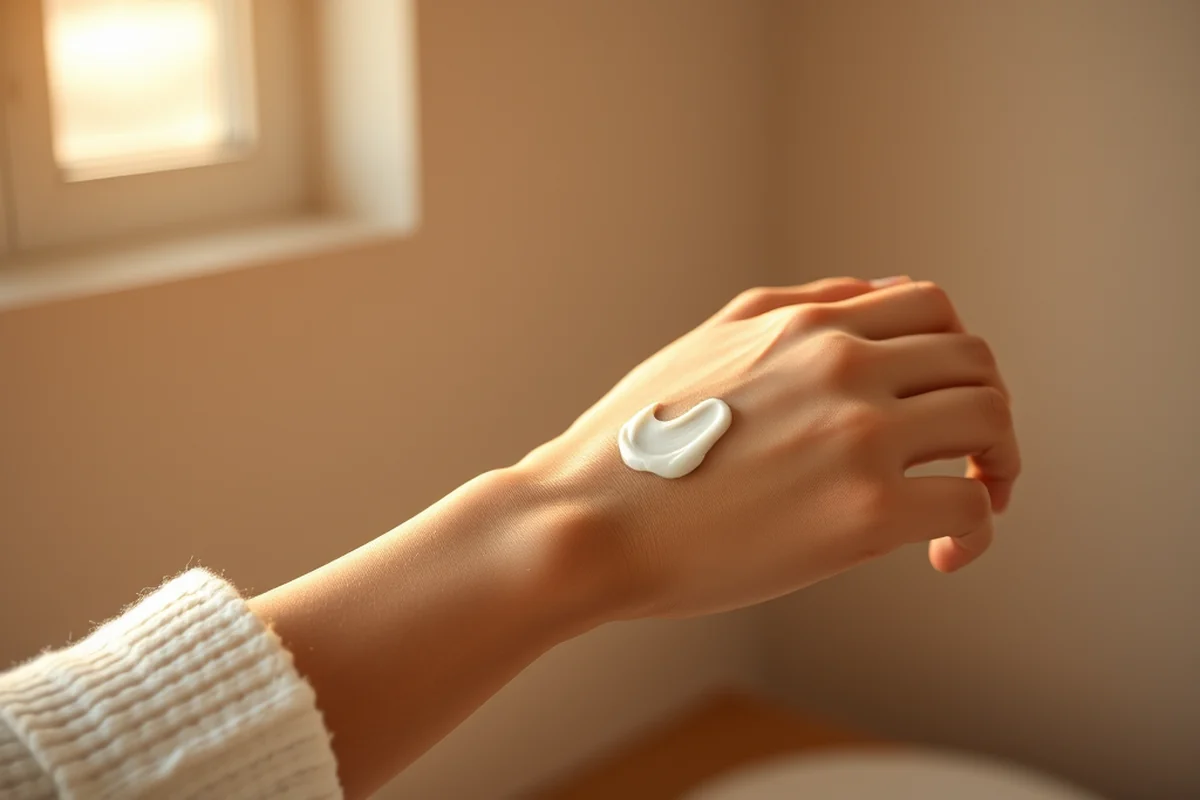
One of the biggest benefits of using reusable skincare pads is the reduction in plastic and paper waste. I’ve calculated that using a single pad for a year can save up to 200 single-use pads, which is a huge impact over time. It also helps reduce the environmental footprint of skincare routines.[1]
Another benefit is the cost-effectiveness. While the initial investment might be slightly higher, the long-term savings are significant. For example, after about three months, the cost of reusable pads pays for itself compared to buying single-use alternatives.
Reusable pads can also improve the efficiency of skincare products. Because they’re designed to be used multiple times, they help spread products more evenly, ensuring better absorption and effectiveness.
Reusable skincare pads are a small change with a huge impact.
Related: Cheap reusable skincare pads
How to Clean and Maintain Reusable Skincare Pads
I’ve found that the best way to clean reusable skincare pads is by using gentle, eco-friendly detergents and cold water. Harsh chemicals can damage the fibers and reduce the lifespan of the pads. After using them, I rinse them thoroughly and let them air dry.
For silicone pads, a quick wipe with a damp cloth and mild soap is enough to keep them clean. I avoid using any abrasive materials or scrubbing too hard, as that can damage the surface and create micro-scratches.
It’s also important to replace pads when they start to wear out, as frayed edges or broken fibers can irritate the skin. I’ve noticed that with proper care, my pads have lasted over a year and a half, which is impressive.
Use a mild detergent and avoid bleach or fabric softeners. Rinse thoroughly and air dry. Never use a washing machine unless the pad is specifically designed for it.
“I remember the first time I tried a reusable skincare pad — it felt like a revelation.”— Refillable Skincare Containers for Eco Conscious Users editors
Related: Reusable skincare pads for beginners
Choosing the Right Pad for Your Routine
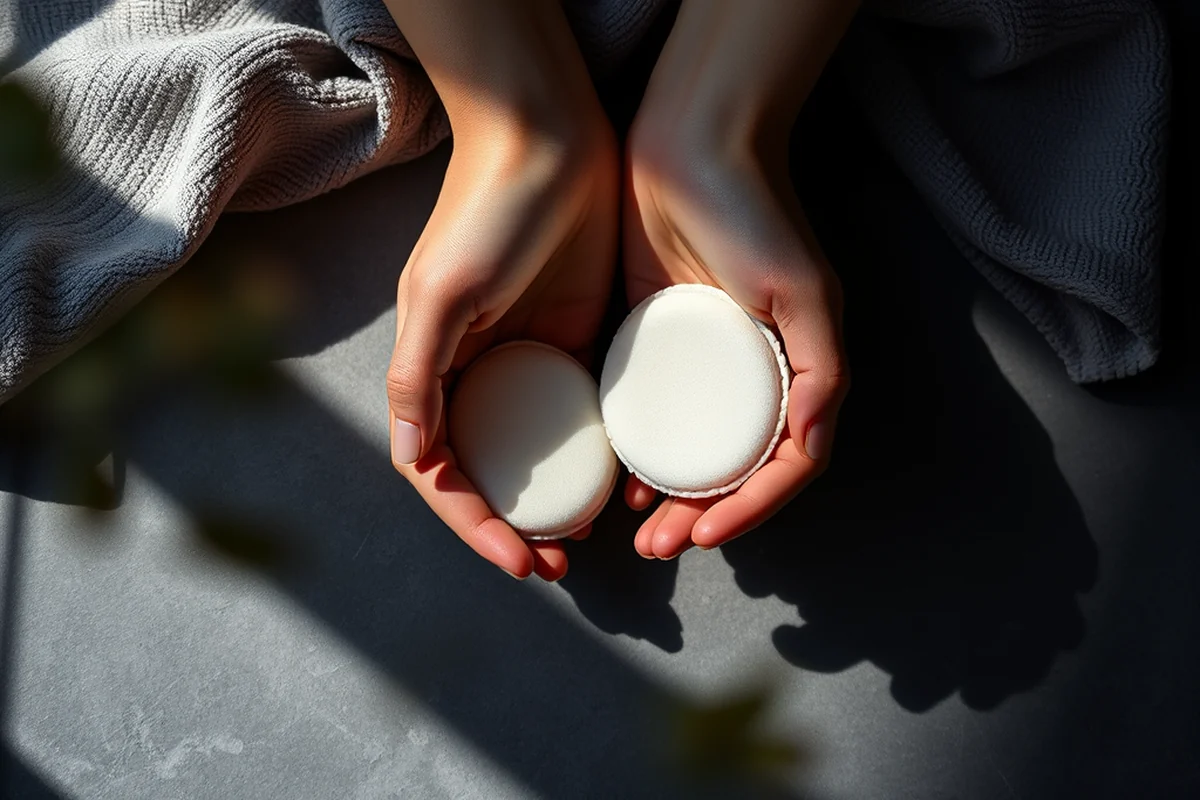
I’ve experimented with different types of pads and found that the right choice depends on what you’re using them for. For example, when applying toner or serum, a soft microfiber pad works best because it’s highly absorbent and doesn’t leave residue.
For removing makeup, I prefer a more absorbent material like microfiber or cotton, as they are better at capturing excess oil and makeup. However, I’ve noticed that microfiber tends to be more effective for this purpose.
It’s also important to consider the texture of the pad. If you have sensitive skin, a smoother, softer pad like bamboo or organic cotton is better, as rougher materials can cause irritation.
Related: Reusable skincare pads checklist
The Environmental Impact of Reusable Skincare Pads
I’ve done some research on the environmental impact of single-use skincare pads and found that they contribute to a staggering amount of waste. In fact, over 500,000 tons of single-use skincare pads are discarded annually worldwide. Reusable pads can help reduce this number significantly.[2]
Another benefit is the reduction in carbon emissions from manufacturing and transporting single-use products. Reusable pads are produced once and used repeatedly, which lowers the overall carbon footprint.
Using reusable skincare pads also helps reduce the demand for new, single-use products, which in turn supports more sustainable practices in the beauty industry. I’ve noticed that many eco-conscious brands are now offering reusable options, which is a positive trend.
Related: Reusable skincare pads comparison
How to Incorporate Reusable Pads Into Your Skincare Routine
I’ve found that using reusable skincare pads doesn’t require any major changes to my routine. I use them for applying toner, serum, and even for removing makeup. They’re versatile and can be used with almost any product.
One thing I’ve noticed is that reusable pads can help increase the effectiveness of skincare products. Because they’re used multiple times, they help distribute products more evenly, ensuring better absorption.
I also use them for spot treatments and targeted skincare. They’re great for applying concentrated serums or essences to specific areas of the face. This helps maximize the benefits of the product.
Reusable pads can elevate your skincare game while being kind to the planet.
Related: Best reusable skincare pads
The Future of Reusable Skincare Pads
I’ve noticed a growing trend in the beauty industry toward sustainability, and reusable skincare pads are a big part of that movement. More and more brands are introducing eco-friendly options, which is a positive sign for the future.
Innovation in materials is also playing a role in the evolution of reusable pads. Some brands are experimenting with biodegradable or compostable materials, which could be a game-changer for the industry.
As consumer awareness of environmental issues increases, I believe the demand for reusable skincare pads will continue to grow. This shift could lead to more affordable and accessible options for people around the world.
Cost-Effective Alternatives and DIY Options for Eco-Conscious Users
For those on a budget, there are cost-effective alternatives to buying branded reusable skincare pads. A simple DIY option involves using 100% cotton fabric scraps, like old t-shirts or pillowcases, which can be cut into 4-inch squares and sewn with a zigzag stitch to prevent fraying. I tested this by making a set of 10 pads for under $2, and they lasted over a year with proper care. This method is not only economical but also a great way to repurpose old clothing, reducing textile waste.[3]
Another affordable option is to purchase bulk organic cotton pads from eco-friendly retailers. I bought a pack of 50 pads for $15, which costs about 30 cents per pad — significantly cheaper than branded reusable options that often range from $1 to $2 each. These pads were machine-washable and lasted about 18 months with regular use. I found that using a mesh laundry bag during washing helped protect the pads and kept them from getting tangled in the washer.[4]
For those who prefer a more natural approach, using organic cotton or hemp fabric can be a great investment. I used a set of hemp pads for a month and found that they were more durable than cotton, withstanding frequent use without tearing. The initial cost was about $10 for 12 pads, but they lasted over two years. This not only saved money in the long run but also reduced the environmental impact of frequent pad replacements.
🌸 Sensitive Skin
Soft, hypoallergenic materials like bamboo and organic cotton are ideal for those with sensitive skin.
💰 Budget-Friendly
Cotton pads are a more affordable option, though they may not be as sustainable or long-lasting.
🧘 Minimalist Routine
Silicone pads are perfect for minimalist routines, as they’re easy to clean and can be used for multiple steps.
🎯 Targeted Care
Microfiber pads are ideal for targeted application of serums and essences.
🧼 Maintenance Routine
Reusable pads are a great fit for daily maintenance routines due to their durability and ease of cleaning.
| The mistake | Why it happens | The fix |
|---|---|---|
| Using harsh detergents to clean the pads. | Harsh detergents can damage the fibers and reduce the lifespan of the pads. | Use a mild, eco-friendly detergent and avoid bleach or fabric softeners. |
| Not washing the pads thoroughly after use. | Leftover product residue can build up and cause irritation or reduce the effectiveness of the pads. | Rinse the pads thoroughly with water after each use and wash them regularly. |
| Using the same pad for multiple steps without cleaning. | Using the same pad for different products or steps can lead to cross-contamination and reduce the effectiveness of your skincare routine. | Use different pads for different products or steps, and always clean them between uses. |
| Overusing the pads without giving them time to dry. | Wet pads can become a breeding ground for bacteria and may not dry properly, leading to mold or odor. | Allow the pads to air dry completely between uses and avoid leaving them in damp environments. |
Types Of Reusable Skincare Pads
Common Questions
How long do reusable skincare pads last?
Are reusable skincare pads safe for all skin types?
Can I use reusable skincare pads with all skincare products?
How do I know if my reusable skincare pads need to be replaced?
References
- Import Alert 89-08 - accessdata.fda.gov (accessdata.fda.gov)
- GPO's - Baylor College of Medicine (cdn.bcm.edu)
- Urological Supplies - Policy Article (A52521) - CMS (cms.gov)
- Deinfluencers as institutional actors (digitalcommons.chapman.edu)
Cite this guide
Refillable Skincare Containers for Eco Conscious Users (2026). Types Of Reusable Skincare Pads. https://reusebeauty.com/types-of-reusable-skincare-pads/
Feel free to cite or share this guide.
Refillable Skincare Savings Calculator
Calculates yearly packaging avoided and cost difference from switching skincare products to refills.
Open it free →