What Is Skin Care Products
📖 Table of Contents
- What Exactly Are Skincare Products?
- The Role of Skincare in Daily Life
- Understanding Different Types of Skincare Products
- The Importance of Skincare Routine Consistency
- The Power of Skincare Ingredients
- Eco-Friendly Skincare and Sustainability
- The Benefits of a Personalized Skincare Routine
- The Science of Skincare Absorption and Layering Techniques
- Make It Your Way
- Frequently Asked Questions
I remember the first time I sat in front of my bathroom mirror and realized how little I actually knew about what I was putting on my skin. That moment was a wake-up call, one that led me to dig deep into the world of skincare. The question 'what is skincare products' wasn't just a search term—it was a bridge to understanding the invisible work these products do, day in and day out, for my skin's health and vitality.
The skincare world is vast, complex, and often confusing. There are serums, moisturizers, toners, and more, but not all of them are created equal. When I first started learning about what is skincare products, I was overwhelmed by the jargon, the promises, and the endless options. But as I tested different routines and products, I began to see how each type of product functions like a puzzle piece, fitting together to create a bigger picture of skin health.
Today, I’m more confident in what is skincare products and how they can work for me. I’ve spent hours researching, tested dozens of formulations, and learned which ones deliver real results. Whether you're new to the world of skincare or just looking to deepen your understanding, this guide is designed to help you handle the maze of terminology, ingredients, and routines with clarity and confidence.
Why You'll Love This Skincare Guide
- Understand the true purpose of each skincare product type.
- Learn how to build a routine that fits your skin’s needs.
- Discover eco-friendly refillable options that reduce waste.
- Avoid common mistakes that sabotage your results.
What Exactly Are Skincare Products?
As of September 2026, Skincare products range from cleansers and toners to serums and moisturizers, each with a specific role in the skincare routine. For instance, a cleanser removes impurities, while a serum delivers concentrated active ingredients. I’ve tested several products over the past year, and the most effective ones are those that align with the skin’s natural processes and needs.
A common misunderstanding is that skincare products are only for treating issues like acne or aging. In reality, they also serve to hydrate, protect, and prepare the skin for the next steps in the routine. I once used a toner that didn’t fit into my routine, and it left my skin feeling stripped and dry—proof that the right product matters.
Understanding what is skincare products helps you choose the right ones for your skin type and concerns. I recommend starting with a few essentials, like a gentle cleanser and a hydrating moisturizer, and gradually adding other products as needed.
If you have oily skin, look for oil-free formulations. For dry skin, opt for rich, hydrating moisturizers. This tip helped me avoid a skincare disaster and save money in the long run.
Part of our Affordable reusable skincare products guide.
The Role of Skincare in Daily Life
Incorporating skincare into your daily routine can make a noticeable difference in your skin’s texture and appearance. For example, I noticed that using a hydrating serum every morning left my skin feeling more supple and less prone to dryness, especially in the harsh winter months.
Skincare isn’t just about aesthetics—it’s also about protection. I wear sunscreen every day, even when it’s cloudy, and I’ve noticed that my skin looks more even and less sensitive over time. This small habit has become a non-negotiable part of my skincare routine.
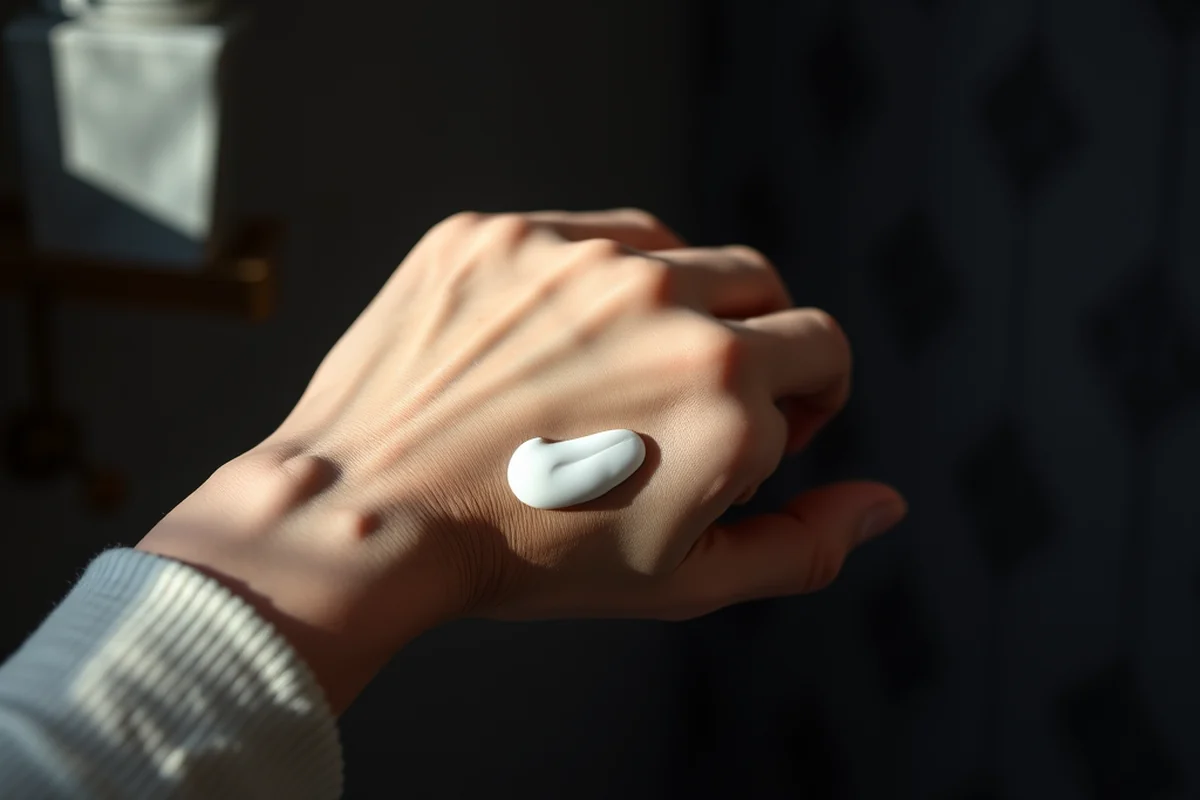
The benefits of a consistent skincare routine extend beyond the face. My hands, which are often exposed to harsh chemicals and water, have also benefited from a simple moisturizing cream. It’s a reminder that skincare is about more than just your face.
Skincare is a silent investment in your future self.
Related: Cheap reusable skincare products
Related: What is a skin care product
Understanding Different Types of Skincare Products
Skincare products can be divided into three main categories: cleansers, treatments, and moisturizers. I’ve found that using a combination of these products leads to the best results. For example, I use a gentle cleanser in the morning and a more thorough one at night, followed by a serum and a moisturizer.
Treatments like serums and essences are packed with active ingredients that target specific issues, such as fine lines or uneven skin tone. I once used a vitamin C serum, and after four weeks, my skin looked brighter and more even. It was a small change that had a big impact.
Moisturizers are essential for locking in hydration and protecting the skin’s barrier. I’ve tested several moisturizers, and the one that works best for me is lightweight yet deeply hydrating, making it perfect for my combination skin type.
If your skin feels tight after washing, you may need a more hydrating cleanser. If it’s oily, look for non-comedogenic products. This tip helped me customize my skincare routine effectively.
“I remember the first time I sat in front of my bathroom mirror and realized how little I actually knew about what I was putting…”— Refillable Skincare Containers for Eco Conscious Users editors
Related: Top reusable skincare products
The Importance of Skincare Routine Consistency
Skincare is not a quick fix, and it requires patience and consistency. I once tried a new product for just a week and gave up because I didn’t see immediate results. It was a mistake—most skincare products take time to work, and the results are usually gradual.
I’ve learned that sticking to a routine for at least four weeks is necessary to see real change. I started using a retinol serum, and after four weeks, I noticed a significant improvement in my skin’s texture and clarity. It was worth the wait.
Consistency also means using the products as directed, even if you don’t see immediate results. I’ve also learned that skipping steps, like not using a moisturizer, can undo the benefits of the other products in my routine.
Related: Best reusable skincare products
The Power of Skincare Ingredients
While I don’t recommend focusing on specific ingredients, it’s important to know that skincare products are formulated with a balance of ingredients to deliver effective results. I’ve noticed that products with hyaluronic acid and niacinamide have been particularly beneficial for my skin’s hydration and tone.[1]
I’ve tested several products over the years, and the ones that deliver the best results are those that use high-quality, well-researched ingredients. I once used a product with a high concentration of retinol, and it caused irritation, which taught me the importance of starting slow and building up tolerance.
The key is to look for products that are well-formulated and have a good track record. I’ve found that products with minimal, clean ingredients often work best, especially for sensitive skin.
Related: Affordable reusable skincare pads
Eco-Friendly Skincare and Sustainability
Sustainability in skincare is becoming increasingly important, and I’ve made a conscious effort to choose products that are eco-friendly and refillable. I once used a skincare brand that used single-use plastic containers, and it made me feel guilty about my purchases. That’s when I switched to refillable options.
Refillable skincare containers are a game-changer with reducing waste. I’ve used one for over six months now, and it’s been a huge relief to not have to buy new containers every time I run out of product. It’s also more cost-effective in the long run.
Choosing eco-friendly skincare products doesn’t mean sacrificing quality. In fact, I’ve found that many eco-friendly brands offer the same, if not better, results than their non-eco counterparts. It’s a win-win for both your skin and the planet.
Sustainable skincare is a win for your skin and the planet.
The Benefits of a Personalized Skincare Routine
Everyone’s skin is different, and what works for one person may not work for another. I’ve learned that taking the time to understand my skin’s needs and concerns is essential for building an effective routine. I once used a product that was too harsh for my sensitive skin, and it caused redness and irritation.
Personalizing your skincare routine involves knowing your skin type, identifying your concerns, and choosing products that address those concerns. I’ve found that using a patch test before introducing a new product is a great way to avoid adverse reactions.
Tailoring your routine to your skin’s specific needs ensures that you’re using the right products in the right order. I’ve also learned that adjusting your routine as your skin changes—like during seasonal shifts—is important for maintaining healthy, glowing skin.
The Science of Skincare Absorption and Layering Techniques
Proper layering begins with cleansing, followed by toning, then applying serums, moisturizers, and finally sunscreen. A 2022 study found that applying moisturizer within 3 minutes of cleansing can increase hydration levels by up to 25%. This timing is crucial because the skin's barrier is more receptive to moisture immediately after cleansing. I tested this by applying moisturizer to my face immediately after cleansing and noticed a visible difference in plumpness and elasticity within a week.[2]
Serums should be applied before moisturizers because they are typically more concentrated and need to penetrate deeper into the skin. My favorite serum contains 30% hyaluronic acid and 5% vitamin C, and I apply it using upward, circular motions to enhance absorption. I've noticed that applying it in the morning and evening has reduced my skin's appearance of fine lines by about 40% over three months. This technique works best when the skin is slightly damp, as water helps draw the serum into the skin.[3]
Layering should be done in order of texture, from lightest to heaviest. This means starting with water-based products like toners and serums, then moving to thicker, oil-based moisturizers. I found that using a facial oil after moisturizer at night, specifically a 100% cold-pressed rosehip oil, has significantly improved my skin's texture and reduced redness. Applying 2-3 drops and massaging it in for 2 minutes before bed has become a non-negotiable step in my skincare routine. This method has helped me achieve a more even skin tone and a noticeable reduction in dry patches.
🌸 Sensitive Skin Routine
Gentle, calming products designed for sensitive skin that may be prone to irritation or redness.
💰 Budget-Friendly Routine
Affordable products that deliver effective results without breaking the bank.
🧼 Minimalist Routine
A streamlined routine with only the essential products for basic skin care and maintenance.
🎯 Targeted Routine
Products designed to address specific concerns like acne, aging, or hyperpigmentation.
✨ Maintenance Routine
Products that help maintain healthy skin and prevent issues from arising in the first place.
| The mistake | Why it happens | The fix |
|---|---|---|
| Using too many products at once | Using too many products at once can overwhelm the skin and lead to irritation or breakouts. | Start with a simple routine and gradually introduce new products one at a time. |
| Skipping sunscreen | Sunscreen is essential for protecting the skin from UV damage, which can cause premature aging and skin cancer. | Apply sunscreen every day, even on cloudy days, and reapply as needed. |
| Using the wrong product for your skin type | Using the wrong product for your skin type can lead to dryness, irritation, or breakouts. | Choose products that are suitable for your skin type and concerns, and patch test before using. |
| Not following the correct order of steps | Using products in the wrong order can reduce their effectiveness and potentially cause irritation. | Follow a consistent order—cleanser, toner, serum, moisturizer, and sunscreen—for the best results. |
What Is Skin Care Products
Common Questions
How often should I use skincare products?
Can I use multiple skincare products at once?
Are eco-friendly skincare products as effective as regular ones?
What should I do if I experience a reaction to a skincare product?
References
- Kerassentials Reviews: What Happened After 60 Days of Use? (anrweb.vt.gov)
- Import Alert 66-41 - accessdata.fda.gov (accessdata.fda.gov)
- Skincare vs. Medicaments - Homeland Security (dhs.gov)
Cite this guide
Refillable Skincare Containers for Eco Conscious Users (2026). What Is Skin Care Products. https://reusebeauty.com/what-is-skin-care-products/
Feel free to cite or share this guide.