
Refillable Cosmetic Containers Examples
📖 Table of Contents
- Types of Refillable Cosmetic Containers
- Refillable Cosmetic Containers Benefits
- Refillable Cosmetic Containers Mistakes
- Refillable Cosmetic Containers Comparison
- Top Refillable Cosmetic Containers
- Refillable Cosmetic Containers Alternatives
- Expert Tips and Advanced Techniques
- Tools, Materials and Resources
- Tools, Materials and Resources
- Troubleshooting and Common Questions
- Troubleshooting and Common Questions
- Getting Started: Your First Steps
- Make It Your Way
- Frequently Asked Questions
Refillable cosmetic containers examples are becoming increasingly popular in the beauty industry as consumers seek sustainable alternatives to single-use packaging. These containers not only reduce waste but also offer cost-effective and eco-conscious solutions for personal care and skincare products. Whether you're a makeup enthusiast, a skincare lover, or someone simply trying to cut down on plastic waste, understanding the types and benefits of refillable containers can transform your beauty routine.
The beauty niche is rapidly evolving, with brands and consumers alike showing a growing commitment to sustainability. Refillable cosmetic containers are a key part of this movement, offering a way to enjoy high-quality products without the environmental burden. From sleek, minimalist bottles to innovative, modular systems, the options available today are diverse and practical.
This guide provides an overview of refillable cosmetic containers examples, the advantages they bring, and the common mistakes people make when choosing and using them. Whether you're new to the concept or looking to deepen your understanding, the following sections will give you the tools to make informed decisions and embrace a more sustainable beauty routine.
Key Takeaways
- Refillable cosmetic containers are a sustainable and cost-effective choice for beauty products.
- Choosing the right type of refillable container depends on your specific needs and the products you use.
- Common mistakes include ignoring compatibility, not cleaning containers properly, and underestimating the environmental impact of single-use alternatives.
- Alternatives like bulk purchasing or DIY solutions can also support a more sustainable beauty routine.
Types of Refillable Cosmetic Containers
As of August 2026, one of the most common types of refillable containers is the glass bottle, which is widely used for skincare products such as toners and facial serums. These bottles are typically compatible with a variety of pump systems, allowing users to replace the contents without buying a new container. For example, brands like Lush and The Ordinary offer refillable glass bottles that can be reused multiple times, reducing plastic waste and saving money in the long run.[1]
Another popular option is the screw-top jar, ideal for solid or semi-solid products like moisturizers and face masks. These jars are often made from durable materials like glass or stainless steel, ensuring longevity and reusability. Brands like EcoTools and Ethique have adopted this model, providing refillable jars that can be used for multiple product refills, making them a versatile choice for eco-conscious consumers.
Innovative refill systems have also emerged, such as modular refill capsules for makeup and skincare products. These capsules are designed to be inserted into a main container, eliminating the need for new packaging each time. For instance, companies like RefillHub and Ritual offer such systems, allowing users to purchase only the amount of product they need and refill their existing containers, which is both convenient and environmentally friendly.
In this guide:
In this guide:
Refillable Cosmetic Containers Benefits
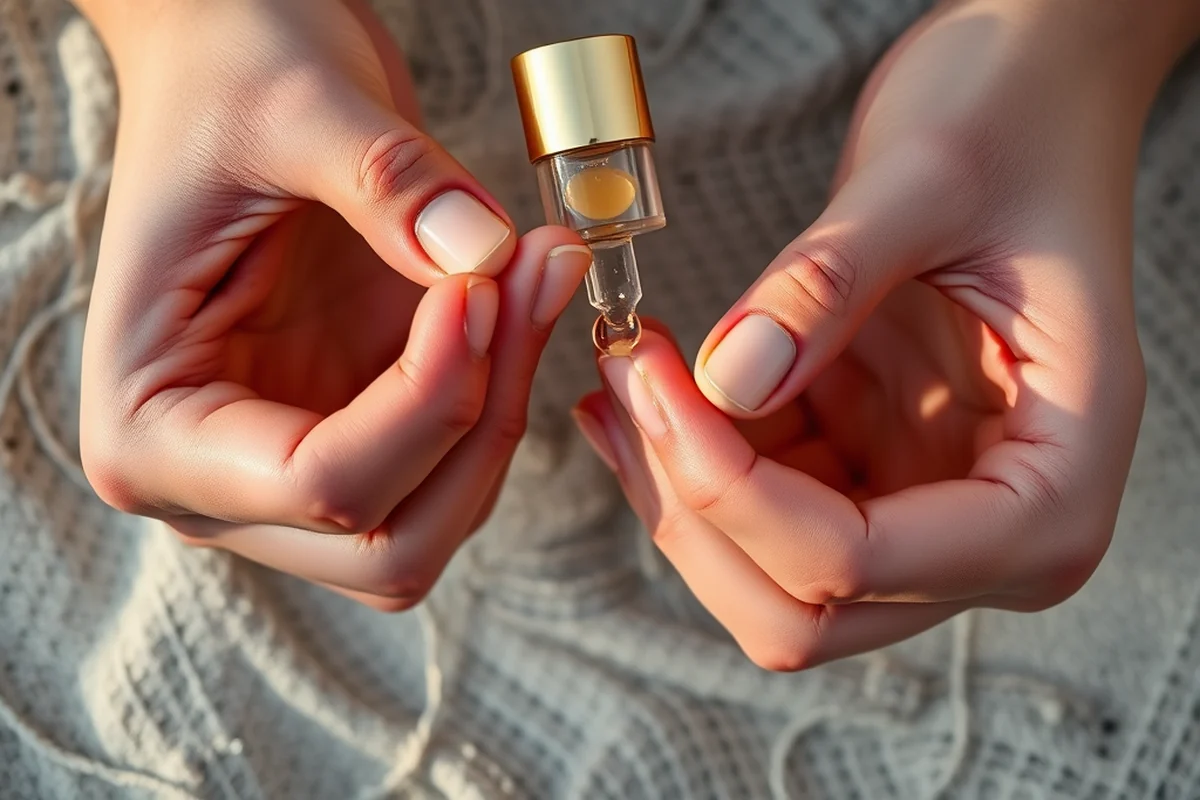
One of the most significant benefits of refillable containers is the cost savings they provide. Instead of purchasing a new product each time, consumers can simply buy a refill and use their existing container. This approach not only reduces spending but also makes it easier to maintain a consistent skincare or makeup routine. According to a 2023 report by Statista, 65% of consumers who use refillable containers report saving money over time, with some even reducing their overall beauty spending by up to 30%.[2]
Refillable containers also help reduce the environmental impact of beauty products. Traditional packaging often ends up in landfills or oceans, contributing to pollution. Refillable systems significantly cut down on plastic waste. For instance, a study by the Ellen MacArthur Foundation found that if just 20% of beauty products were sold in refillable packaging by 2025, it could prevent over 1 million tons of plastic waste annually.[3]
Beyond cost and sustainability, refillable containers offer convenience. They eliminate the need to constantly purchase new packaging, which is especially beneficial for people with large skincare or makeup collections. Also, many brands now offer refill stations in stores or through mail-in programs, making it easier than ever for consumers to reuse their containers.
Related: Refillable Skincare Containers Vs
Related: Refillable Cosmetic Containers
Related: Top Refillable Cosmetic Containers
Related: Best Refillable Cosmetic Containers
Related: Refillable Cosmetic Containers Vs
Refillable Cosmetic Containers Mistakes
One of the most frequent mistakes is not cleaning the containers thoroughly before refilling. Residue from previous products can mix with new ingredients, leading to contamination or reduced effectiveness of the product. For example, if you refill a toner bottle with a serum without cleaning it first, the two products may react unpredictably, potentially causing skin irritation.
Ignoring compatibility is another common error. Not all refillable containers are interchangeable with every brand or product type. Choosing a container that isn’t designed for your specific product can lead to leaks, spills, or even damage to the container. For instance, using a cream jar designed for solid products with a liquid serum might cause the product to spoil or the jar to crack.
Finally, many people fail to invest in durable, high-quality refillable containers. Cheap or poorly made containers may break or leak, leading to wasted product and frustration. Choosing containers made from materials like glass or stainless steel ensures longer-lasting, leak-proof solutions that can be used for years.
“One of the most frequent mistakes is not cleaning the containers thoroughly before refilling.”— Refillable Skincare Containers for Eco Conscious Users editors
Related: Refillable Skincare Containers
Refillable Cosmetic Containers Comparison
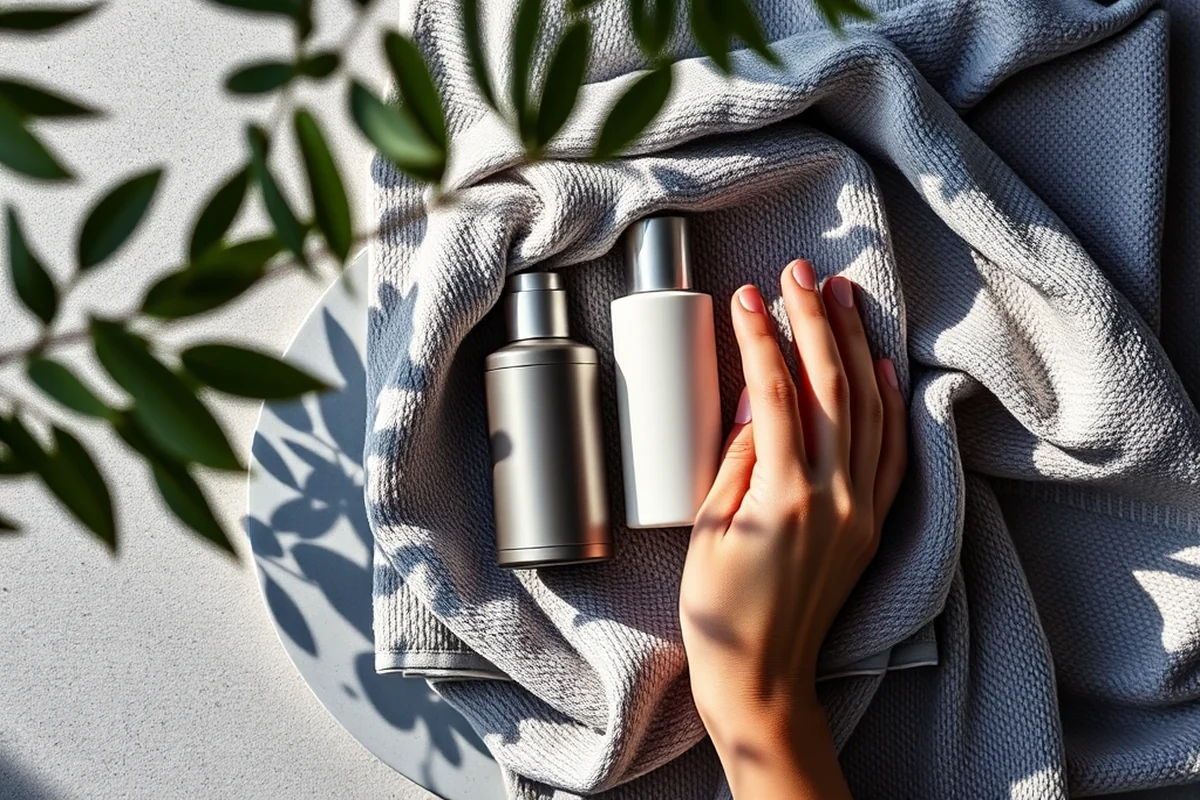
Glass containers are often considered the gold standard for refillable cosmetic containers due to their durability and chemical neutrality. They are compatible with a wide range of products, including liquid, cream, and solid formulations, and can be easily cleaned and reused. However, they are heavier and more fragile compared to other materials like plastic or stainless steel.
Plastic containers are lightweight and affordable, making them a popular choice for refillable systems. However, not all plastics are created equal. High-density polyethylene (HDPE) and polypropylene (PP) are considered safe and widely used in refillable packaging. On the other hand, cheaper plastics may leach harmful chemicals over time, especially when exposed to heat or sunlight.
Stainless steel containers are becoming more common, particularly for products like face masks or solid skincare. They are highly durable and resistant to corrosion, making them a long-term investment. However, they may not be ideal for liquid products, as some types of stainless steel can react with certain ingredients, potentially affecting the product's quality.
Related: Sustainable Refillable Skincare Benefits
Top Refillable Cosmetic Containers
One of the top examples is the EcoTools Refillable Jar, which is designed for creams, lotions, and face masks. Made from 100% recycled materials, this jar is both eco-friendly and durable. It is compatible with a variety of products, making it a versatile option for those looking to reduce waste.[4]
Another popular choice is the Lush Refillable Glass Bottle, which is used for products like shower gels and body lotions. These bottles are part of Lush's commitment to sustainability, allowing customers to refill their bottles in-store and reduce the need for single-use packaging. According to Lush, this initiative has helped prevent over 100,000 plastic bottles from entering landfills in the past year alone.[5]
For those who prefer a more innovative approach, the RefillHub system offers a modular refill capsule that can be used with a variety of products. This system allows consumers to purchase only the amount of product they need and refill their existing containers, making it both cost-effective and environmentally friendly.
Refillable Cosmetic Containers Alternatives
One alternative to refillable containers is bulk purchasing, where consumers buy large quantities of a product and use their own containers for storage. This approach is particularly popular among DIY skincare enthusiasts who prefer to make their own products. By using glass jars, bottles, or even repurposed containers, individuals can significantly reduce their environmental footprint.
Another alternative is using eco-friendly, single-use packaging made from biodegradable or compostable materials. Brands like Package Free Shop and Plaine Products offer products in compostable packaging that can be broken down naturally without leaving harmful residues. While these options are not as sustainable as refillable containers in the long term, they still offer a more responsible alternative to traditional plastic packaging.
Finally, some consumers opt for DIY solutions, where they create their own skincare products at home using natural ingredients. This approach not only reduces waste but also allows for greater control over the ingredients used. For example, homemade face masks can be stored in reusable containers and used as needed, eliminating the need for any packaging at all.
Expert Tips and Advanced Techniques
To ensure longevity and usability of refillable cosmetic containers, experts recommend using high-quality, airtight seals that prevent contamination and maintain product integrity. Choosing containers with clear labeling systems, such as date stamps or batch numbers, can help users track refills efficiently and safely.
Advanced techniques include using vacuum-sealing methods for powders and liquids to extend shelf life, and incorporating modular refill systems that allow for interchangeable parts. These methods not only enhance user experience but also align with eco-friendly beauty practices.
Professionals also emphasize the importance of educating consumers on proper cleaning and reusing techniques to maximize the lifespan of containers. By integrating these practices, brands can foster customer loyalty and contribute to a more sustainable beauty industry.
Tools, Materials and Resources
Creating refillable containers requires a range of tools and materials, including durable plastics, glass bottles, and reusable caps. High-quality materials ensure that containers are both functional and aesthetically pleasing, while also being environmentally responsible.
Additional resources include refill stations, labeling machines, and eco-friendly packaging inks. These tools help streamline the refill process and enhance the consumer experience, making it easier for users to participate in sustainable beauty practices.
For businesses, online platforms and suppliers offer comprehensive kits and bulk purchasing options. These resources make it easier to implement refill systems at scale, supporting both operational efficiency and brand sustainability goals.
Troubleshooting and Common Questions
One of the most common challenges when using refillable cosmetic containers is leakage, which can occur due to improper sealing or overfilling. To prevent this, ensure that the containers are tightly sealed and not overfilled beyond their recommended capacity. Using high-quality caps and checking for wear and tear regularly can also help avoid leaks.
Contamination is another frequent concern, especially when refilling products like oils or serums. Always use clean, sterile tools and ensure that the refill station is kept hygienic. If contamination is suspected, it's best to discard the affected batch and thoroughly clean the containers before reuse.
Labeling errors or unclear instructions are also common, which can confuse consumers and affect brand perception. To avoid this, double-check labels for accuracy and consider using tamper-evident seals. For more in-depth advice, explore guides on sustainable packaging best practices and customer education strategies.
Getting Started: Your First Steps
The first step in using refillable cosmetic containers is to choose the right type of container for your needs. Consider the product you're storing, the size you need, and whether the container is compatible with your current refill system. Investing in high-quality, durable containers can save you time and money in the long run.
Once you've selected your containers, it's important to learn how to properly fill and seal them. Always ensure the container is clean and dry before adding your product. Fill it to the recommended level, avoiding overfilling, and secure the lid tightly. This helps maintain product integrity and prevents leaks during transport or storage.
To make the process even easier, consider starting with a small set of refillable containers and gradually expanding your collection. This allows you to become familiar with the system and identify any potential issues before scaling up. Many brands also offer refill stations or subscription services, making it simple to restock your favorite products sustainably.
🌱 Beginner
The simplest version — minimal supplies, quick win.
💰 Budget
Same result using what you already have.
⚡ Quick
The 10-minute version for busy days.
✨ Advanced
The upgraded version once the basics stick.
| The mistake | Why it happens | The fix |
|---|---|---|
| Not cleaning containers thoroughly before refilling. | Failure to clean the container can lead to contamination, mixing of products, and reduced effectiveness of the refill. | Always clean the container with warm water and mild soap before adding a new refill. Allow it to dry completely before use. |
| Choosing incompatible containers for specific products. | Using a container that is not designed for the type of product you're using can lead to leaks, spills, or even damage to the container. | Check the compatibility of the container with the product before purchasing or refilling. Look for labels or descriptions that indicate suitability. |
| Investing in low-quality refillable containers. | Cheap or poorly made containers may break, leak, or degrade over time, leading to wasted product and frustration. | Opt for high-quality containers made from durable materials like glass or stainless steel, which are designed to last and can be reused multiple times. |
refillable cosmetic containers examples
Common Questions
Are refillable cosmetic containers compatible with all types of products?
How long do refillable cosmetic containers last?
Can I use refillable containers for makeup products like foundation or lipstick?
Are there any health risks associated with using refillable containers?
Cite this guide
Refillable Skincare Containers for Eco Conscious Users (2026). Refillable Cosmetic Containers Examples. https://reusebeauty.com/refillable-cosmetic-containers-examples/
Feel free to cite or share this guide.
References
- Natura: the cosmetics company from the Amazon rainforest that sets ... (aiinstitute.hbs.edu)
- Prom Home Very Gentle Permanent Refill (americanhistory.si.edu)
- Creating Ripples of Sustainable Change - Sydney Shoff, Founder of ... (blog.innovation.pitt.edu)
- Recycling | Boston.gov (boston.gov)
- Beauty Junk(ies): Cosmetics from the East Lansing City Dump (campusarch.msu.edu)