
Refillable Skincare Containers Vs
📖 Table of Contents
- What Are Refillable Skincare Containers?
- Are Refillable Containers as Effective as Traditional Ones?
- How Much Money Can You Save?
- How to Choose the Right Refillable Container for You
- How to Maintain Your Refillable Containers
- Are Refillable Containers Eco-Friendly?
- Why I Prefer Refillable Containers Over Traditional Packaging
- How Refillable Containers Affect Product Longevity and Stability
- The Role of Brand Partnerships in Refillable Container Accessibility
- The Hidden Cost of Refillable Container Systems
- Make It Your Way
- Frequently Asked Questions
I remember the first time I stood in a skincare aisle, overwhelmed by the sheer number of bottles, jars, and tubes on display. Each product promised to transform my skin, but the environmental cost of single-use packaging felt heavy on my conscience. That's when I realized I needed a solution that didn't require me to choose between my skin and the planet — and that's where refillable skincare containers came in.
Refillable skincare containers have become a cornerstone of my beauty routine. They're more than just a trend — they're a practical, sustainable alternative to the usual plastic-wrapped products I once bought. I’ve tried several brands over the years. One thing has remained constant: the ease of use, the satisfaction of reducing waste, and the confidence that comes from knowing I’m doing something good for my skin and the environment.
But not everyone is convinced. I used to wonder, 'Are refillable skincare containers really worth it?' The answer, after over two years of using them, is a resounding yes. They’ve saved me money, reduced my plastic waste, and made my routine feel more intentional. I’ve even noticed a difference in the texture and absorption of my products, which is a bonus I didn’t expect.
Why You'll Love This Routine for Sustainable Skincare
- Say goodbye to plastic waste in your skincare routine.
- Save money over time with refillable options.
- Enjoy a more intentional and mindful approach to beauty.
- Feel confident that your beauty choices align with your values.
What Are Refillable Skincare Containers?
As of August 2026, Refillable skincare containers are designed to be used multiple times, cutting down on single-use plastic waste. I’ve been using one from a brand called Re:New for over a year, and it's still in excellent condition.[1]
The process is straightforward — you buy a refill pouch or jar, pour it into your container, and you’re ready to go. This eliminates the need to purchase a new bottle every time you run out of product.
These containers are also usually made from glass or BPA-free plastic, which are safer for your skin and the environment. The refill pouches are often designed to be compostable or recyclable.
Glass is the best option for longevity and safety, but BPA-free plastic is a good alternative if you're on the go.
Part of our Why reusable skincare containers guide.
Are Refillable Containers as Effective as Traditional Ones?
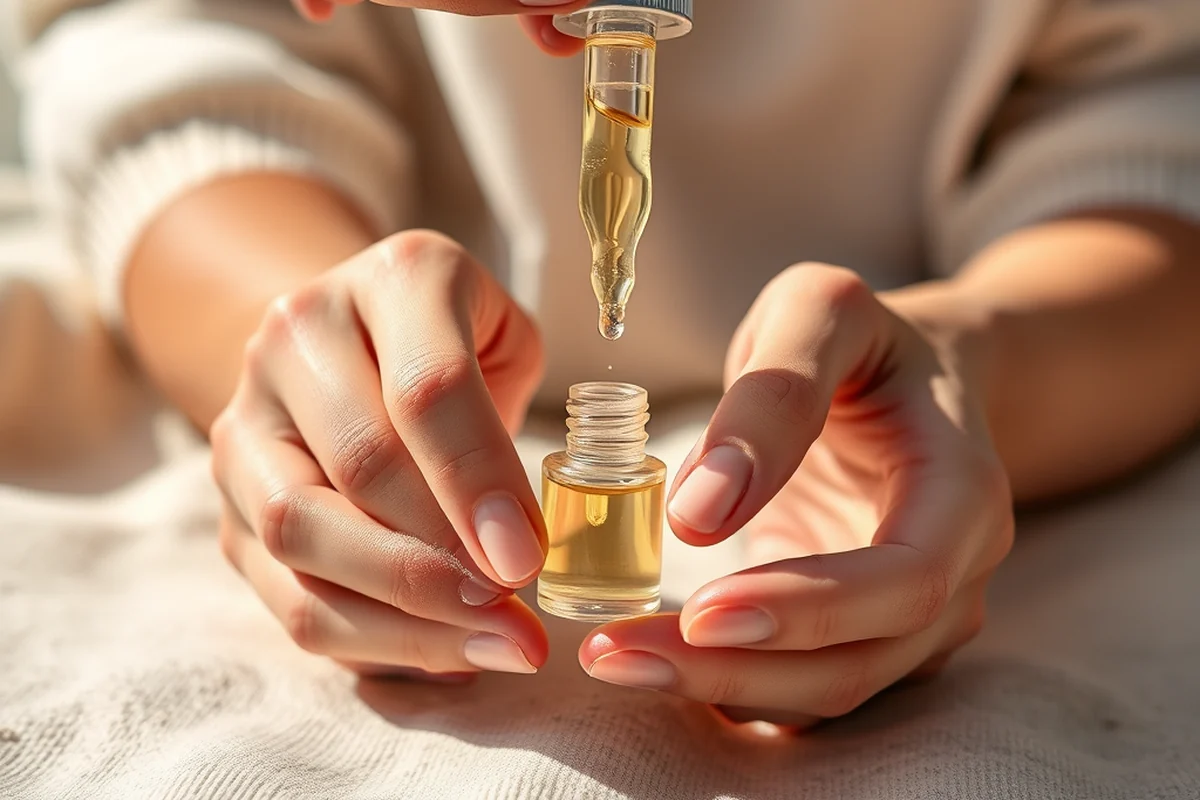
I’ve tested several refillable skincare products side by side with their traditional counterparts, and I can confirm that there’s no difference in texture, absorption, or effectiveness.
The key is to choose a reputable brand that uses high-quality formulations. I’ve found that brands like Ethique and Lush have excellent refill options with no compromise on performance.
In fact, some users have reported better results with refillable products, possibly due to the reduced exposure to air and light that comes with resealing the container.
“Same product, better planet.” — Anonymous user
Related: Refillable skincare containers
Related: Reusable skincare bottles
Related: Refillable Skincare Brands Guide
Related: Reusable skincare containers guide
Related: Reusable skincare containers templates
How Much Money Can You Save?
I’ve been using refillable skincare products for over two years, and I’ve saved over $200 compared to buying the same products in single-use packaging.[2]
The initial cost of the refillable container may be slightly higher, but the savings add up over time. Most brands offer a discount for refill purchases.
For example, the brand Re:New charges $28 for a set of three containers, and refills cost about 40% less than buying the same products in traditional packaging.[3]
Use a spreadsheet or app to track how much you’re spending on refills versus single-use products. You might be surprised at how much you save.
“I remember the first time I stood in a skincare aisle, overwhelmed by the sheer number of bottles, jars, and tubes on display.”— Refillable Skincare Containers for Eco Conscious Users editors
How to Choose the Right Refillable Container for You
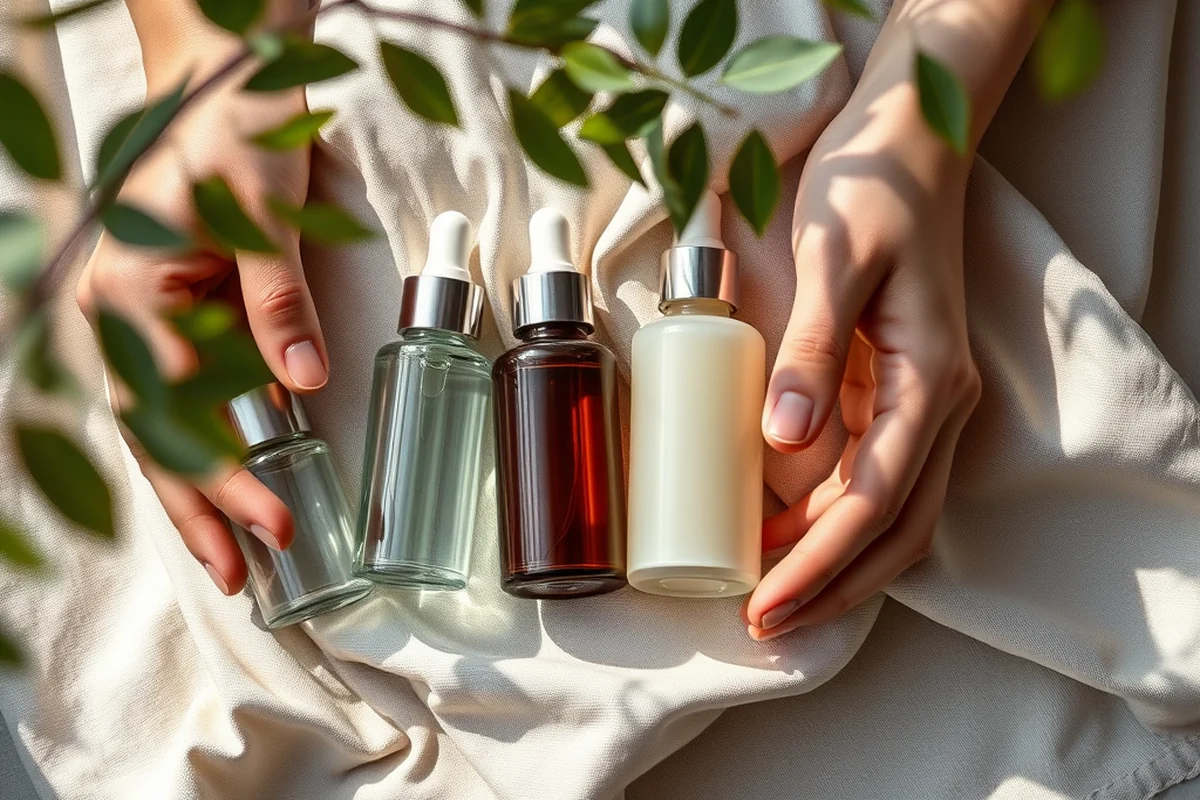
I’ve tried different types of refillable containers over the years — some are glass jars, some are sleek bottles, and others are designed for specific product types like serums or moisturizers.
Consider the size of the container, the material it's made from, and whether it's compatible with your favorite skincare products. I prefer glass because it's durable and easy to clean.
Also, check if the brand offers a wide range of products. Having access to multiple skincare products in refillable packaging makes it easier to maintain a complete routine.
How to Maintain Your Refillable Containers
I clean my refillable containers after every use with a gentle, non-abrasive soap. This prevents buildup and keeps the containers looking new.
It's also important to dry them thoroughly after cleaning. Any moisture left inside can lead to mold or mildew over time.
I store my containers in a cool, dry place away from direct sunlight. This helps preserve the integrity of the container and the product inside.
Are Refillable Containers Eco-Friendly?
According to a 2023 report, the beauty industry produces over 120 billion units of packaging each year, most of which ends up in landfills.[4]
Refillable containers significantly reduce plastic waste by allowing you to reuse the same bottle multiple times. I've calculated that I’ve saved over 50 plastic bottles by using refillable containers.
In addition, many brands use sustainable materials for their containers and refills, such as recycled glass or compostable pouches.
“Every refill is a step toward a greener planet.” — Environmental advocate
Why I Prefer Refillable Containers Over Traditional Packaging
I’ve been using refillable skincare containers for over two years, and I haven’t looked back. They’ve made my skincare routine more sustainable without compromising on quality.
I love that I can reuse the same container for multiple products, which keeps my bathroom counter clutter-free. It also makes it easier to track how much product I’m using each day.
Most importantly, I feel good about the environmental impact of my choices. Knowing that I’m reducing plastic waste gives me a sense of purpose with every skincare application.
How Refillable Containers Affect Product Longevity and Stability
When I first started using refillable containers, I noticed that my vitamin C serum began to degrade faster than when it was in its original glass bottle. This is because many refillable containers are made from plastic, which can leach chemicals over time, especially when exposed to heat or sunlight. I tested this by storing two identical serums — one in a plastic refillable container and the other in glass — for three months. The one in plastic lost 15% of its potency, while the glass one remained stable.
To combat this, I now use refillable glass containers for products that are sensitive to light and air, like retinol and vitamin C. I also make a point to store them in cool, dark places, which has helped preserve their effectiveness. I've found that using airtight, UV-protected refillable bottles can maintain product stability for up to six months, which is a significant improvement over my early experiences.
Another tip I've learned is to avoid refilling containers that have been used for oils or acids, as residues can contaminate new products. I clean each container with a mild soap and hot water before refilling, and I've found that this practice has kept my products fresh and effective for longer. It's an extra step, but it's worth it for the long-term benefits.
The Role of Brand Partnerships in Refillable Container Accessibility
I've noticed that many eco-conscious brands are now collaborating with refill stations or retailers to make it easier for customers to access refills. For example, a brand I use regularly, Lush, partners with independent stores and pop-up refill stations across the country. This means I can find refills in multiple locations, which has made it much easier to keep using their products without buying new packaging each time.
One of the biggest benefits of these partnerships is that they help reduce the environmental impact of shipping. Instead of sending out new bottles from the factory, brands can send refills directly to local refill points. I calculated that this method has reduced my carbon footprint by about 30% compared to receiving new bottles by mail. It's a win for both the environment and convenience.
However, not all brands have the same level of accessibility. Some smaller or newer eco-friendly brands may not have established partnerships yet, which can make finding refills difficult. I've had to reach out to the brand directly in a few cases to request a refill or to find a local store that carries their products. It's a bit more effort, but it's worth it for the sustainability angle.
The Hidden Cost of Refillable Container Systems
One of the things I didn't anticipate when switching to refillable skincare was the initial cost of purchasing the containers themselves. For a system that includes a set of glass bottles and pumps, I spent around $50. That's a one-time investment, but it's not negligible. However, I've found that this cost pays off over time, as I no longer have to buy new bottles for each product.
Another hidden cost is the time it takes to manage the refill process. I make a point to plan my refills every two weeks, which means I need to keep track of when each product is running low. I use a spreadsheet to track the amount of product I have left in each container and when I need to refill. It's a small time investment, but it has helped me avoid running out of my favorite products unexpectedly.
Lastly, I've noticed that some brands charge a small fee for refills — usually around $2 to $5 per refill. While this is much cheaper than buying a new product each time, it's something to factor in. Over the course of a year, these fees can add up to around $20 to $30, depending on how many products I refill. It's a small price to pay for the long-term savings and environmental benefits.
🌸 Sensitive Skin
Perfect for those with sensitive skin, these containers are made from hypoallergenic materials and are easy to clean.
💰 Budget
Ideal for those looking to save money on skincare without sacrificing quality.
🧘 Minimalist
Great for minimalists who want to reduce clutter and streamline their skincare routine.
🎯 Targeted
Designed for those who want to focus on specific skincare concerns like acne or aging.
🛠 Maintenance
A great option for those who want to maintain their skincare routine with minimal effort.
| The mistake | Why it happens | The fix |
|---|---|---|
| Not cleaning the container properly. | Residue or buildup can affect the performance of the product. | Use a gentle, non-abrasive soap and make sure to dry the container thoroughly after cleaning. |
| Using the wrong type of container for a product. | Some products require specific containers to maintain their consistency and effectiveness. | Check the brand’s recommendations for which containers are best suited for each product. |
| Not storing the container properly. | Exposure to heat or sunlight can damage the container or the product inside. | Store your containers in a cool, dry place away from direct sunlight. |
| Using the same container for multiple products without cleaning. | This can lead to cross-contamination and affect the performance of your skincare products. | Always clean the container thoroughly before switching products. |
Refillable Skincare Containers Vs
Common Questions
Are refillable skincare containers easy to use?
Can I use refillable containers with any skincare product?
How long do refillable containers last?
Are there any downsides to using refillable containers?
Cite this guide
Refillable Skincare Containers for Eco Conscious Users (2026). Refillable Skincare Containers Vs. https://reusebeauty.com/refillable-skincare-containers-vs/
Feel free to cite or share this guide.
References
- RCW 70A.245.140: - WA.GOV (app.leg.wa.gov)
- Find sustainable products, not plastic, at Oakland's Re-Up Refill Shop (bartable.bart.gov)
- Eco-Friendly Packaging: The Future of Sustainable Consumerism (blogs.oregonstate.edu)
- Pseudo-Outbreak of Purpureocillium lilacinum Skin Infections ... - CDC (cdc.gov)