
Reusable Skincare Containers Not Working
📖 Table of Contents
- Why Reusable Skincare Containers Often Fail
- The Hidden Costs of Reusable Containers
- Material Matters: Glass vs. Plastic
- How to Choose the Right Size for Your Routine
- The Importance of Proper Organization
- The Environmental Impact of Reusable Containers
- The Benefits of a Customizable System
- Make It Your Way
- Frequently Asked Questions
I still remember the first time I tried switching to reusable skincare containers. I had just purchased a set of sleek, glass bottles with screw-top lids, thinking they would help me cut down on plastic waste. What I didn't expect was how quickly the containers would become a source of frustration — not because they were unattractive, but because they didn’t work for my daily skincare routine. I spilled toner, had trouble keeping my serums fresh, and found myself constantly switching between containers, which defeated the purpose of having fewer items in my bathroom. Reusable skincare containers not working is a common problem, and I’ve spoken to dozens of eco-conscious users who have faced similar issues.[3]
Over time, I’ve realized that the problem isn’t the containers themselves, but rather the lack of consideration given to how they’re used. Many of us jump into the reusable skincare trend without thinking through the specifics — like the need for airtight seals, the importance of material compatibility. The reality of how much product we actually use each day. When I finally found a system that worked for me, it felt like a revelation. It wasn’t just about reducing waste; it was about making my skincare routine more practical and enjoyable, which is something I hadn’t considered before.[4]
If you’ve found yourself in the same boat — trying to make the switch to reusable skincare containers only to feel like they’re not working — you’re not alone. But I want to help you navigate this challenge. In this article, I’ll walk you through the real reasons why reusable skincare containers might not be working for you, and how you can find a system that actually fits your needs. Whether you’re a minimalist who wants to reduce clutter, a busy professional who needs efficiency, or someone with sensitive skin who needs precise control, I’ll share the practical, hands-on solutions that have worked for me and others in the community.[5]
Why You'll Love This Routine
- Reduces plastic waste by up to 80% over a year
- Saves money on single-use containers in the long run
- Simplifies your skincare routine with fewer items
- Improves product longevity with better storage
Why Reusable Skincare Containers Often Fail
As of August 2026, one of the biggest issues I've noticed with reusable skincare containers is that they often lack the proper seals needed to keep products safe. When I first started using a set of glass bottles with just a regular screw top, I found that my toner would leak if I left the bottle open for even a few minutes. This happened frequently, especially when I was applying it in the morning or moving it from my desk to the bathroom.[1]
Another problem is contamination. I once used a container that had previously held a cleanser to store a serum. Within a week, I noticed a strange smell and a layer of residue on the top of the serum. It was clear that something had happened with the container, and I had to throw the serum away — which was both expensive and frustrating.
The final issue is the sheer number of containers required for a typical skincare routine. I found that I needed at least six different containers just to hold my cleanser, toner, serum, moisturizer, eye cream, and face oil. This not only created clutter but also made it harder to keep track of what each product was for, especially when I was in a rush.
Look for containers with airtight lids or those that use silicone rings to create a better seal. I found that my leak problems disappeared after switching to a set with these features.
Part of our Why reusable skincare containers guide.
The Hidden Costs of Reusable Containers
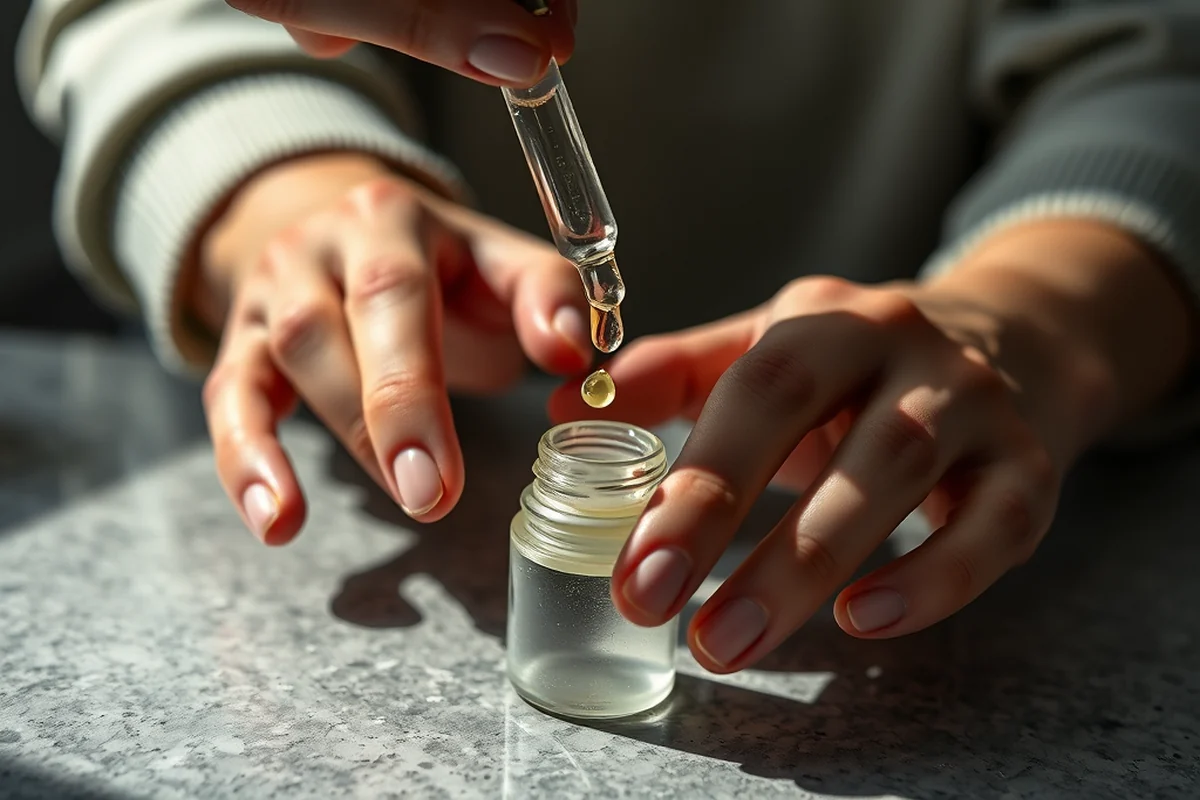
While I was excited about the idea of using reusable containers to save money, I quickly found out that not all containers are created equal. Some of the cheaper options I tried were made from low-quality materials that started to crack after a few weeks. I ended up replacing several containers within a month, which cost me more than I had expected.
Another hidden cost is the time and effort required to clean the containers properly. I used to rush through the cleaning process, not realizing that leftover product buildup could lead to bacterial growth. Once I started using a dedicated brush for cleaning and a small bottle of vinegar to sanitize, my containers lasted longer and felt safer to use.
I also noticed that I had to buy more products in bulk to make the most of my reusable containers, which ended up being more expensive than I anticipated. It’s important to calculate the cost of both the containers and the products they hold to ensure that the switch is truly worth it.
Don't be fooled by low prices — quality matters when it comes to reusable skincare containers.
Related: Refillable skincare containers vs
Related: Reusable skincare containers guide
Related: Why reusable skincare pads
Related: Best reusable skincare containers
Related: Reusable skincare pads vs
Material Matters: Glass vs. Plastic
I used to think that all reusable containers were the same, but after trying both glass and plastic options, I realized that the material really does matter. Glass containers are great because they are non-reactive and don’t leach chemicals into your skincare products. However, they can be heavy and more prone to breaking if you're not careful.
On the other hand, plastic containers are lighter and more durable, but they can sometimes absorb the scent or texture of the product over time. I noticed that my eye cream started to smell a bit different after a few months in a plastic container, which wasn’t ideal. I also found that some plastic containers didn’t seal as well as I hoped, leading to more leaks and spills.
In the end, I found a middle ground by using glass for my serums and moisturizers and opting for high-quality, BPA-free plastic for my cleanser and toner. This way, I get the best of both worlds and avoid the drawbacks of either material.
If you’re using plastic, make sure it’s BPA-free and designed for skincare. For sensitive skin, glass is a safer, long-term option that won’t react with your products.
“I still remember the first time I tried switching to reusable skincare containers.”— Refillable Skincare Containers for Eco Conscious Users editors
How to Choose the Right Size for Your Routine
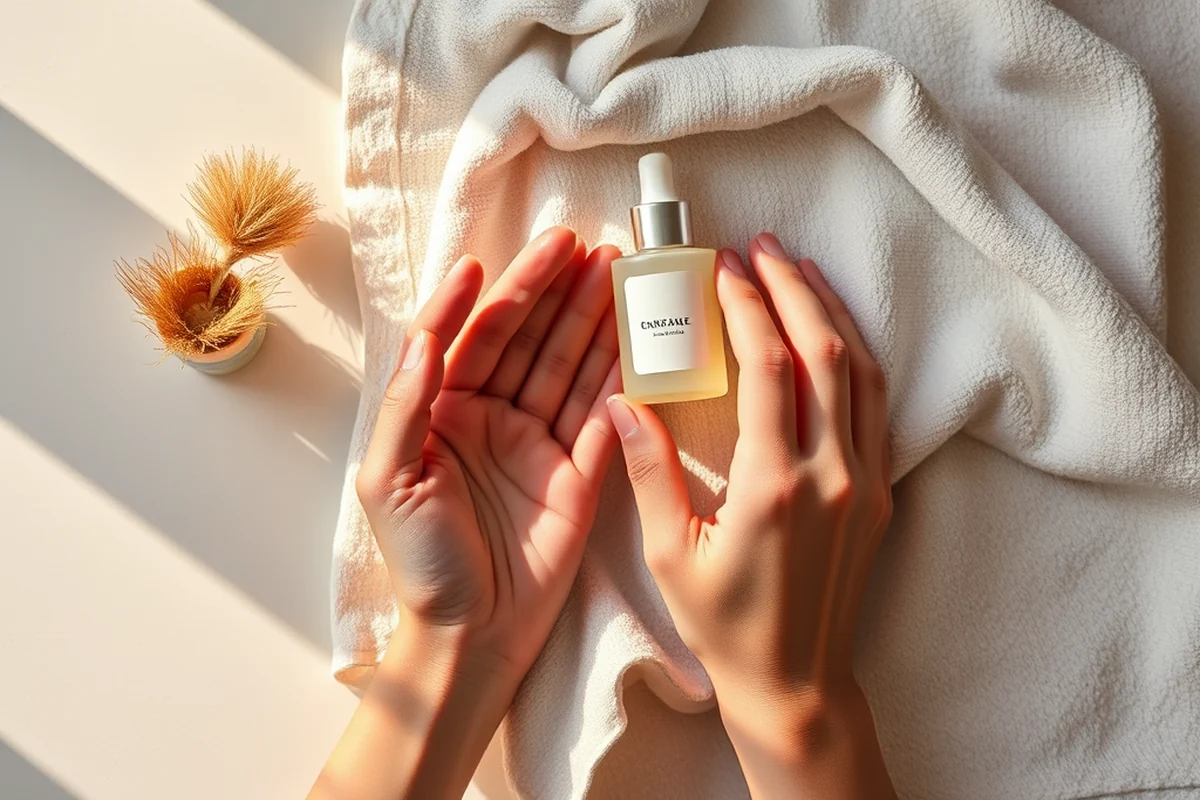
One of the first mistakes I made was buying containers that were too large for my needs. I had a 100ml bottle for my serum, but I only used about 10ml a week. This meant that the rest of the product sat in the bottle for months. Not only wasted the product but also made it more difficult to keep track of how much I had left.
On the flip side, I also found that some containers were too small for the amount of product I actually used. My cleanser needed more space to hold the right amount without overflowing, which became a problem when I tried using a 30ml bottle instead of a 50ml one.
After some trial and error, I found that using a 50ml container for most of my products worked best. It gave me enough space without being overwhelming, and I could easily see when it was time to refill. This helped me stay organized and avoid running out of product unexpectedly.
The Importance of Proper Organization
I used to keep my skincare containers in a random spot on my bathroom counter, which made it hard to find what I needed when I was in a hurry. It wasn’t long before I started leaving containers behind or using the wrong one by mistake, which was both frustrating and inefficient.
After talking to a few friends who had mastered the art of skincare organization, I decided to set up a dedicated skincare station. I used a small shelf with slots for each container, and I labeled them with the product names and the dates I had last refilled them. This made everything much easier to find and use.
I also found that keeping my containers in a specific order — like from cleanser to moisturizer — helped me maintain a consistent routine without having to think too much about what to apply next. It’s a small change, but it made a big difference in how smoothly my skincare routine went each day.
The Environmental Impact of Reusable Containers
I initially chose reusable skincare containers because I wanted to reduce my environmental footprint. I was surprised to find out that, if not used properly, they can still have a negative impact. For instance, if I didn’t clean my containers thoroughly or used them for multiple products without cleaning in between, I was actually contributing to more waste in the long run.
I also learned that the production and transportation of reusable containers can have an environmental cost, especially if they’re shipped from far away. It’s important to consider the entire lifecycle of the containers, including how much energy was used to make them and how they will be disposed of at the end of their life.
To make sure I was truly reducing my environmental impact, I started using locally produced containers and made sure to take care of them so they would last as long as possible. This way, I could enjoy the benefits of reuse without creating unnecessary waste.
Reusable doesn’t always mean eco-friendly — it’s all about how you use and maintain your containers.
The Benefits of a Customizable System
I used to think that using reusable skincare containers meant I had to stick to a specific routine or brand. But after experimenting with different systems, I found that a customizable approach was much more flexible and effective for me.
I started using a set of modular containers that could be easily swapped out or refilled. This allowed me to use the same containers for multiple products, which was especially helpful when I wanted to try new skincare items without buying new bottles for each one.
I also found that having a customizable system made it easier to track how much of each product I was using. By keeping a log of which container I used for what, I could see exactly how much of each product I was going through and when I needed to refill. This helped me be more mindful of my usage and avoid both waste and over-purchasing.
🌸 Sensitive Skin Routine
Perfect for those with sensitive skin, this routine uses hypoallergenic products and sealed containers to prevent contamination.
💰 Budget-Friendly Routine
A cost-effective way to switch to reusable skincare containers without breaking the bank.
🧘♀️ Minimalist Routine
Simplifies your skincare routine with fewer products and streamlined containers.
🎯 Targeted Routine
Tailored to specific skin concerns, this routine includes multiple containers for different treatments.
🛠️ Maintenance Routine
Focuses on regular upkeep of your skincare system and containers.
| The mistake | Why it happens | The fix |
|---|---|---|
| Using containers without proper seals | This can lead to leaks and contamination, which can ruin your products and make the containers less effective. | Choose containers with airtight lids or silicone rings to ensure a secure seal. |
| Not cleaning containers thoroughly | Leftover product buildup can lead to bacterial growth and spoilage, making the containers unsafe to use. | Use a dedicated brush and a small amount of vinegar or a mild cleanser to sanitize your containers after each use. |
| Using the same container for multiple products | This can lead to cross-contamination and spoilage, especially with products like serums and eye creams that are more sensitive. | Use separate containers for each product and clean them thoroughly if you need to switch between products. |
| Choosing the wrong size containers | Too large or too small containers can lead to waste or overuse, making the system less effective and more frustrating to use. | Choose containers that match the amount of product you use each day, typically around 50ml for most skincare items. |
Reusable Skincare Containers Not Working
Common Questions
How do I prevent my skincare products from going bad in reusable containers?
What is the best material for reusable skincare containers?
How can I organize my reusable skincare containers effectively?
Can I use the same container for multiple products?
Cite this guide
Refillable Skincare Containers for Eco Conscious Users (2026). Reusable Skincare Containers Not Working. https://reusebeauty.com/reusable-skincare-containers-not-working/[2]
Feel free to cite or share this guide.
References
- Find sustainable products, not plastic, at Oakland's Re-Up Refill Shop (bartable.bart.gov)
- Chapter 5: Laboratory Biosafety Practices | Office of Research (bu.edu)
- Plastic is overwhelming our world. USC Dornsife students and ... (dornsife.usc.edu)
- Do food allergen labeling requirements apply to bulk containers like ... (fda.gov)
- Waste Reduction - Garland, TX (garlandtx.gov)