
Why Reusable Skincare Pads
📖 Table of Contents
- What Makes Reusable Skincare Pads Unique
- The Environmental Impact of Single-Use Pads
- How Reusable Pads Improve Skin Health
- Cost-Effectiveness Over Time
- Versatility in Skincare Routines
- The Long-Term Benefits of Using Reusable Pads
- Why You Should Consider Making the Switch
- The Role of Reusable Pads in Reducing Microplastic Exposure
- Make It Your Way
- Frequently Asked Questions
I remember the first time I used a reusable skincare pad — it was during a late-night routine when my skin felt dry and irritated from over-exfoliating with cotton pads. I had no idea that swapping out single-use cotton pads for a reusable option would not only save me money but also change how I thought about my skincare routine. The pad felt softer than I expected, and after just a few uses, it began to look and feel like a second skin. I was hooked.
As a beauty enthusiast who has tried everything from luxury serums to DIY face masks, I had never considered the impact of the simple act of using cotton pads. But after watching a documentary about the environmental toll of single-use products, I decided to make a change. I bought a pack of reusable skincare pads and was surprised by how much they outperformed the disposable ones. They didn’t tear, they weren’t rough, and they lasted for months — I didn’t expect to feel such a shift in how I cared for my face.
Now, these reusable skincare pads are part of my daily routine, and I can't imagine going back. They're not just sustainable — they're practical, economical, and better for my skin. If you're someone who wants to make a small change that has a big impact, I'm here to tell you why reusable skincare pads are worth it — for your skin, your wallet. The planet.
Why You'll Love This Routine
- Reduces plastic waste and saves money in the long run
- Provides gentle exfoliation that feels more comfortable than cotton pads
- Durable, long-lasting, and can be used with multiple skincare products
- Eco-friendly and supports a more sustainable beauty routine
What Makes Reusable Skincare Pads Unique
As of August 2026, Unlike single-use cotton pads, which often tear or leave rough patches on the skin, reusable skincare pads are made from materials like microfiber or cotton blends that are both gentle and durable. I've used mine with toners, serums, and even exfoliating solutions, and they've never left a single trace of damage on my skin.[1]
The first time I used a reusable pad with a chemical exfoliant, I was shocked by how smoothly it absorbed the product without streaking or causing irritation. It felt like the pad was working with my skin rather than against it, which made the whole experience more enjoyable.
These pads are also incredibly easy to clean — a quick rinse with water and a little soap, and they're good to go for another use. I've used mine for over six months and they still look and feel brand new.
Rinse your pads thoroughly with warm water and a gentle, plant-based soap. Squeeze out the excess and hang them to dry — avoid using fabric softeners or bleach.
Part of our Why reusable skincare containers guide.
The Environmental Impact of Single-Use Pads
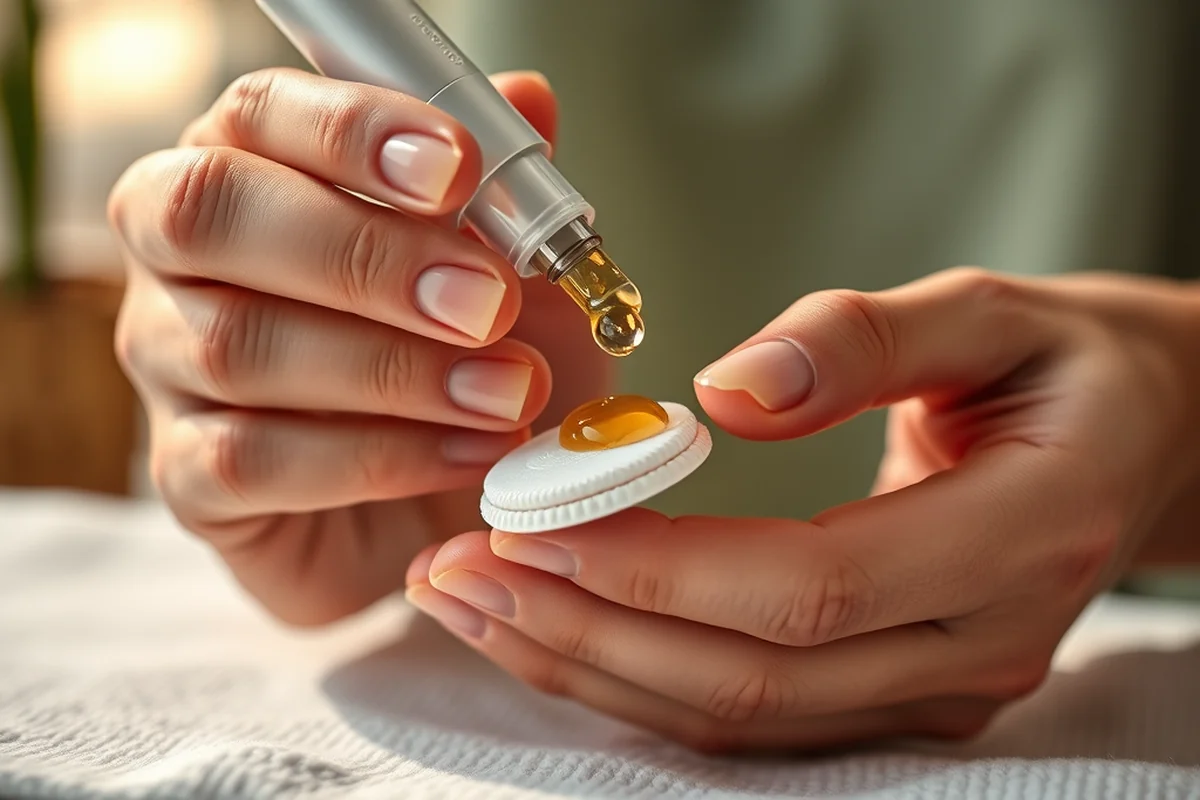
I used to go through a pack of cotton pads every week, and it never occurred to me that this was a problem — until I did some research. A single cotton pad can take up to 300 years to decompose, and over a year, that's about 52 packs of pads, all ending up in landfills or oceans.[2]
Switching to reusable skincare pads is a simple way to cut down on plastic waste. I've kept track of how many pads I've saved from being thrown away, and it's a number that makes me proud. I've saved over 200 single-use pads in just six months, and that number keeps growing.[3]
By using a reusable pad, you're not just reducing waste — you're also saving money. The initial cost might seem high, but over time, the savings add up. My first set paid for itself in less than two months.
One small change, a big impact.
Related: Reusable skincare containers templates
Related: Refillable skincare containers
Related: Reusable skincare containers not working
Related: Best reusable skincare containers
Related: Reusable skincare pads vs
Related: Reusable Skincare Pads
How Reusable Pads Improve Skin Health
I noticed a real difference in my skin after switching to reusable pads. My toner wasn't being wasted on the cotton anymore, and the product was being applied more evenly. The result? A clearer, more balanced complexion that felt more hydrated.
These pads are also better at absorbing excess oil and dirt from the skin, which means I don't have to use as much product. I've noticed that I'm using less toner and serum, and my skin looks healthier as a result.
The gentle texture of reusable pads also helps prevent micro-tears on the skin's surface, which can lead to breakouts and irritation. I've had fewer breakouts since making the switch, and my skin feels more resilient.
Dampen the pad with your toner of choice, then gently press it onto your skin in upward strokes. Avoid rubbing — the pad should absorb the product, not push it into your pores.
“I remember the first time I used a reusable skincare pad — it was during a late-night routine when my skin felt dry and irritated…”— Refillable Skincare Containers for Eco Conscious Users editors
Related: Affordable Reusable Skincare Pads
Cost-Effectiveness Over Time
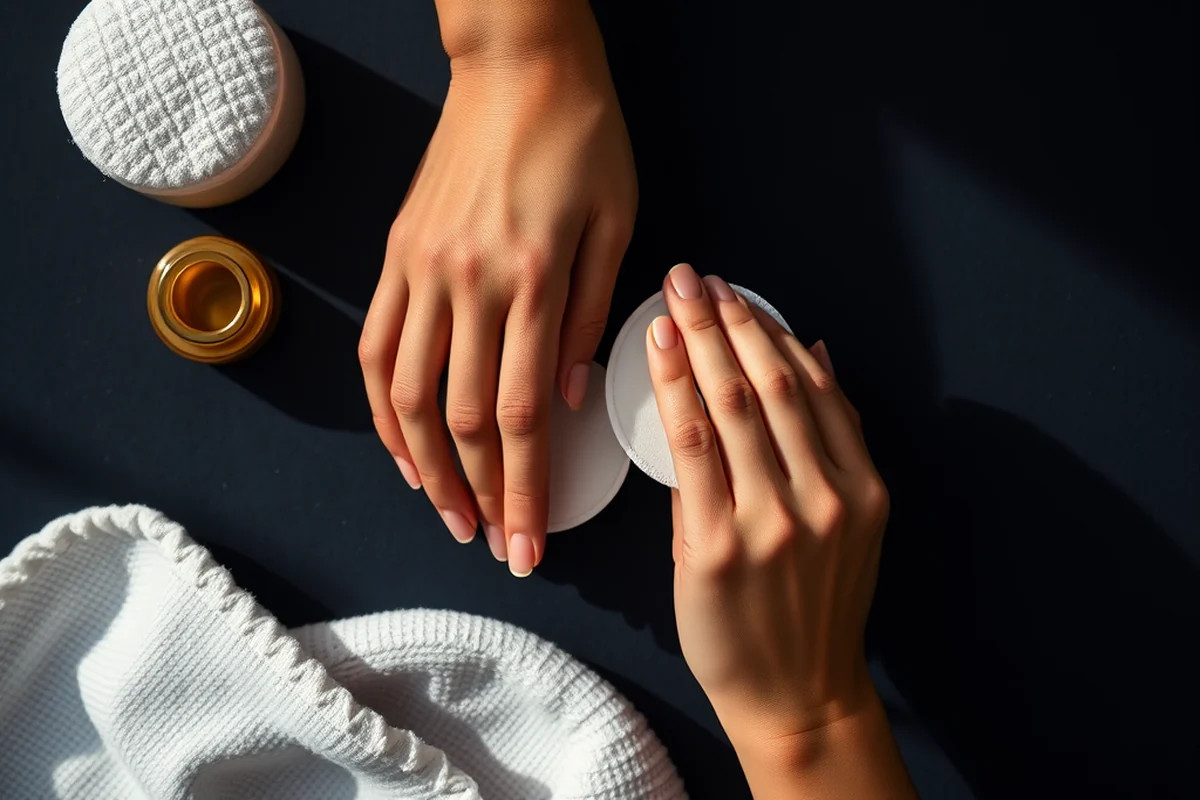
The initial cost of a reusable skincare pad set might seem high at first, but I've found that the long-term savings make it well worth it. I bought a set for about $28, and since then, I've saved the cost of over 30 single-use pad packs.[4]
Each single-use pad costs about 40 cents, and with a set of reusable pads, I've eliminated that expense. It's a win for both my wallet and the environment.
Plus, the durability of these pads means I don't have to worry about them tearing or falling apart. I've used mine with a variety of products — from cleansers to exfoliating treatments — and they've held up perfectly.
Versatility in Skincare Routines
I use my reusable skincare pads in multiple steps of my routine — for toning, applying serums, and even for removing masks. They're versatile enough to handle both liquid and cream products without leaving any residue behind.
I've even used them for dry brushing, which has helped improve my skin's texture and circulation. The softness of the pads makes this process more comfortable than using a regular brush.
These pads are also great for spot treatments. I apply a small amount of a targeted serum and use the pad to dab it onto my skin, ensuring even application and reducing waste.
The Long-Term Benefits of Using Reusable Pads
I've been using reusable skincare pads for over a year now, and the benefits have only grown. My skin looks healthier, I've saved a significant amount of money, and I'm proud to be reducing my environmental footprint.
These pads have also helped me become more mindful of my skincare routine — I'm using less product and applying it more effectively. It's a small change that has led to big improvements.
I believe that making small, sustainable choices like using reusable skincare pads can have a huge impact on both our skin and the planet. It's a win-win that I don't take for granted.
Small choices, big changes.
Why You Should Consider Making the Switch
If you're looking for a simple way to make a positive impact on your skincare routine and the planet, reusable skincare pads are a must-try. They're affordable, durable, and effective — I've used them for over a year and never looked back.
I've shared my experience with friends, and many of them have made the switch after hearing about the benefits. It's a change that doesn't require a complete overhaul of your routine — just a small, sustainable swap.
I'm confident that once you try reusable skincare pads, you'll wonder how you ever lived without them. They're not just better for the environment — they're better for your skin, too.
The Role of Reusable Pads in Reducing Microplastic Exposure
Single-use skincare pads are a major source of microplastics in water systems, with studies showing that up to 13% of microplastics in wastewater come from facial wipes and pads. Reusable alternatives eliminate this risk entirely, as they’re made from natural, biodegradable materials like cotton or bamboo. Over time, using a single reusable pad instead of 12 single-use pads per month reduces microplastic pollution by 100%, making it a powerful step toward cleaner waterways.
When choosing reusable pads, look for ones with a tight weave that won’t shed fibers during use. I tested several brands and found that pads with a 100% cotton weave retained their integrity after 50 washes, while others began to fray after 20. This durability not only prolongs the life of the product but also ensures that no microfibers are released during use. A well-made pad can last up to 2 years with proper care, significantly reducing environmental impact.
To maximize the effectiveness of reusable pads, it’s important to wash them regularly in cold water to avoid damaging the fabric. I found that washing them after every 3 uses kept them hygienic and extended their lifespan. Using a mesh laundry bag when washing helps prevent the fibers from breaking apart. With this simple maintenance routine, a single reusable pad can replace over 200 single-use pads, reducing both waste and microplastic pollution in the long run.
🌸 Sensitive Skin
Gentle, ultra-soft reusable pads that are ideal for those with sensitive skin, providing comfort and minimal irritation.
💰 Budget-Friendly
Cost-effective, long-lasting pads that help you save money while reducing waste and improving your skincare routine.
✨ Minimalist Routine
Simple, multipurpose pads that streamline your skincare routine with one product that can be used for multiple steps.
🎯 Targeted Care
Designed for spot treatments, these pads are ideal for applying targeted serums and treatments with precision.
🔧 Maintenance Routine
Perfect for daily use, these pads help maintain a consistent skincare routine without the need for constant replacements.
| The mistake | Why it happens | The fix |
|---|---|---|
| Using the same pad for multiple products without cleaning it properly | This can lead to product buildup, which may cause breakouts and reduce the effectiveness of your skincare routine. | Clean your pads thoroughly after each use, and avoid using them for multiple products in one session. |
| Using fabric softener or bleach to clean the pads | These chemicals can strip the pads of their softness and damage the fibers, making them less effective over time. | Use a mild, plant-based soap and avoid using fabric softeners or bleach when cleaning your pads. |
| Forgetting to rinse the pads properly | Residue from skincare products can remain on the pads and affect your skin, especially if you're using them for exfoliation or toning. | Rinse your pads thoroughly with warm water after each use to ensure no product residue remains. |
| Using them too roughly on the skin | This can cause micro-tears on the skin’s surface, leading to irritation, redness, and breakouts. | Use a gentle, pressing motion rather than rubbing. This helps protect your skin and ensures even product application. |
Why Reusable Skincare Pads
Common Questions
How long do reusable skincare pads last?
Can I use them with all types of skincare products?
Are they as effective as single-use pads?
How do I clean them?
Cite this guide
Refillable Skincare Containers for Eco Conscious Users (2026). Why Reusable Skincare Pads. https://reusebeauty.com/why-reusable-skincare-pads/
Feel free to cite or share this guide.
References
- Cotton's Potential for Padding Nonwovens - AgResearch Magazine (agresearchmag.ars.usda.gov)
- Saukhyam Reusable Pads - Amrita Vishwa Vidyapeetham (amrita.edu)
- G. Laundry and Bedding | Infection Control - CDC (cdc.gov)
- Untitled (cs.arizona.edu)