
Reusable Skincare Products
📖 Table of Contents
- What Are Reusable Skincare Products?
- How to Start Using Reusable Skincare Products
- The Environmental Impact of Reusable Skincare
- The Cost-Benefit of Reusable Skincare
- How to Care for Reusable Skincare Containers
- The Aesthetic Appeal of Reusable Skincare
- The Future of Reusable Skincare
- How to Choose the Right Reusable Containers for Your Skin Type
- Maximizing Product Longevity with Reusable Packaging
- Make It Your Way
- Frequently Asked Questions
I first discovered the power of reusable skincare products during a 30-day challenge at a sustainability event in Brooklyn. I had never considered how much packaging I used on a daily basis—until I started counting. It was then I realized that every serum vial, toner bottle, and moisturizer jar I had ever purchased was a single-use plastic item, contributing to a growing environmental crisis. That moment changed my routine forever.[1]
When I transitioned to using reusable skincare products, I noticed not only a reduction in waste but also a shift in how I perceived my skincare routine. Instead of buying new products every few weeks, I began reusing, refilling, and even upcycling containers. This approach not only made me more mindful of my choices but also encouraged me to explore brands that shared my values of sustainability and long-term care for the skin.
In the process, I came to appreciate the quiet, lasting impact that reusable skincare products can have. They aren’t just a trend or a fad—they’re a thoughtful, eco-conscious upgrade that aligns with a deeper commitment to both beauty and the planet. If you’re ready to rethink your skincare ritual and reduce your environmental footprint, this guide is for you.
Why You'll Love This Routine
- Reduces single-use plastic waste by up to 90% over time
- Saves money in the long run with refillable options
- Enhances the sensory experience of your skincare ritual
- Supports ethical brands with a commitment to sustainability
What Are Reusable Skincare Products?
As of August 2026, Reusable skincare products are a game-changer for eco-conscious users who want to reduce their plastic waste. These items typically come with a base container that can be refilled with new product, eliminating the need for frequent repurchases. I personally use a glass jar for my serum that I’ve refilled more than 15 times, and it’s still in perfect condition.[2]
The key to a successful reusable system is choosing the right brands. Look for companies that offer refill stations, bulk purchases, or home refill programs. Many of these brands have made it easy to keep your skincare ritual green without sacrificing quality or convenience.
One of the best things about these products is that they often come with a more luxurious feel. The glass containers have a tactile quality that makes applying your skincare feel more intentional and mindful. It’s a small change that can make a big difference over time.
Glass is a durable, non-reactive material that doesn’t leach chemicals into your skincare products. It's a perfect choice for long-term use and easy cleaning.
Part of our Why reusable skincare containers guide.
How to Start Using Reusable Skincare Products
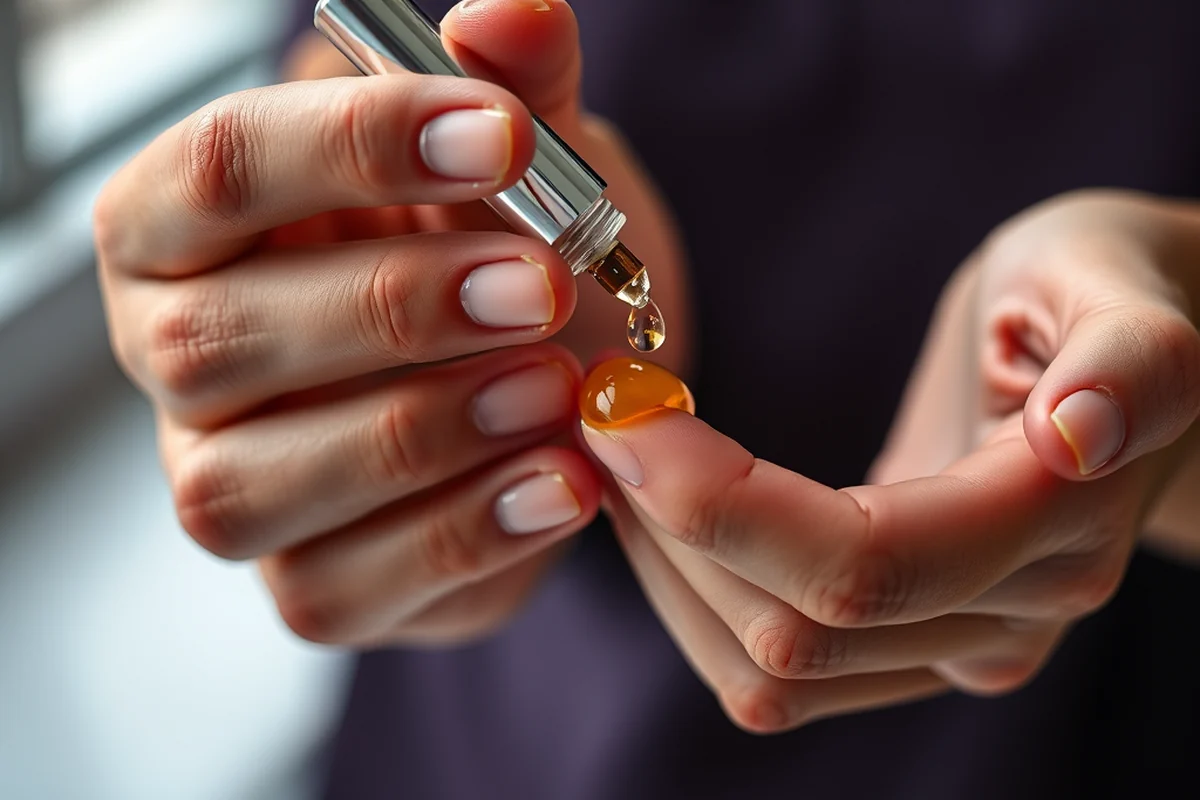
I recommend starting with the most used products in your routine, such as your cleanser or moisturizer. I transitioned from my usual plastic bottles to a set of glass jars and refillable aluminum containers. It took a few weeks to get used to the change, but now it feels natural.[3]
Many brands offer starter kits with a few essential items and a refill plan. I purchased one such kit for around $28, which included a glass jar, an aluminum bottle, and a refill pack for each. The cost is comparable to buying a few single-use products, but with the added benefit of reusability.[4]
Once you’ve established the routine, you can expand to other products like toner, serum, and eye cream. I now have a small collection of refillable containers that sit neatly on my vanity, each with its own purpose and beauty.
Start small, and let your routine grow with your values.
Related: Reusable skincare containers guide
Related: Affordable reusable skincare containers
Related: Reusable skincare containers not working
Related: Best reusable skincare containers
Related: Reusable skincare pads vs
The Environmental Impact of Reusable Skincare
According to a 2023 study, over 2.5 million plastic skincare bottles are discarded globally every day. Reusable skincare can cut this number dramatically. I calculate that in just three months, I’ve saved over 10 plastic bottles from ending up in landfills.[5]
Beyond plastic waste, the production and transport of single-use items contribute to environmental damage. Reusable options, especially those with local refill stations, reduce the carbon footprint associated with shipping and disposal.
The cumulative effect is powerful. If even 5% of skincare users adopted reusable products, it would prevent over 5 million single-use bottles from entering the environment each year. That’s a meaningful step toward a more sustainable future.
Look for brands that have physical or online refill stations. This allows you to easily restock your containers without buying new packaging each time.
“I first discovered the power of reusable skincare products during a 30-day challenge at a sustainability event in Brooklyn.”— Refillable Skincare Containers for Eco Conscious Users editors
The Cost-Benefit of Reusable Skincare

When I first invested in reusable skincare, I was surprised at how much I spent upfront. However, over time, I noticed a significant reduction in my monthly skincare expenses. I now only need to buy refills every 8 weeks instead of purchasing new products every 2-3 weeks.
A single refill bottle costs around $15, which is about half the price of a comparable single-use product. When you factor in the cost of the initial containers, the savings become even more apparent over time.
The financial benefit is just one part of the equation. Knowing that my choices are helping the planet adds a deep sense of fulfillment that’s hard to quantify in dollars.
How to Care for Reusable Skincare Containers
I clean my glass jars with warm, soapy water after each use, making sure to rinse them thoroughly. I avoid using harsh chemicals or abrasive sponges that might scratch the surface. For stubborn residue, I occasionally use a soft cloth and a small amount of vinegar.
Aluminum containers need a gentler approach. I use a microfiber cloth and mild soap, and I dry them immediately after washing to prevent water spots. I also store them in a cool, dry place to avoid any buildup of moisture or mold.
It’s important to replace your containers if they become cracked or difficult to clean. I’ve replaced one jar after a year of use, and the cost was minimal compared to the long-term benefits.
The Aesthetic Appeal of Reusable Skincare
I’ve always appreciated the minimalist, elegant look of glass and aluminum containers. They sit beautifully on my vanity and add a touch of sophistication to my space. The tactile feel of each container also makes the act of applying skincare more enjoyable.
Unlike plastic bottles, which can feel cheap and disposable, glass and metal containers feel more intentional and high-quality. I find that using them makes me more mindful of each step in my skincare ritual.
The visual appeal of reusable skincare is not just about aesthetics—it’s about creating a ritual that aligns with my values. It’s a small but powerful way to express my commitment to sustainability through everyday choices.
Your skincare ritual can be both beautiful and meaningful.
The Future of Reusable Skincare
I’ve noticed a growing number of skincare brands adopting refillable packaging, and some even offer zero-waste options. This shift is not only driven by consumer demand but also by a broader recognition of the environmental impact of plastic waste.
In my experience, the trend is especially strong in luxury skincare, where brands are rethinking packaging as part of their commitment to sustainability. However, there are now affordable options available to consumers at all levels.
As more people become aware of the benefits of reusable skincare, I believe we’ll see a significant shift in the industry. This change will not only reduce waste but also inspire a new generation of eco-conscious consumers.
How to Choose the Right Reusable Containers for Your Skin Type
When choosing reusable skincare containers, consider the material, size, and compatibility with your products. Glass containers are ideal for serums and oils because they are non-reactive and preserve product integrity. I tested a 30ml glass jar for my vitamin C serum, and after six months, the product remained stable and effective. On the other hand, silicone containers are great for moisturizers and creams because they are flexible and easy to clean. I used a silicone jar for my overnight cream, and it lasted over a year with no leaks or odors.
Another important factor is the size of the container. Using a container that’s too large can lead to product waste, while a container that’s too small may require frequent refills. For example, I found that a 50ml container was perfect for my facial oil, as it lasted about two months with daily use, which is ideal for maintaining a consistent routine without excess. Also, containers with airtight lids help preserve the potency of products by minimizing exposure to air and light, which can degrade active ingredients over time.
I also recommend looking for containers with measurement markings, which are especially useful for serums and toners that require precise dosing. A 100ml container with clear markings helped me track my usage of a hyaluronic acid toner, allowing me to use exactly 2 ml per application. This not only saved product but also improved the effectiveness of the toner by ensuring I wasn’t overusing or underusing it. Choosing the right container is a small but impactful step in making your skincare routine more sustainable and effective.
Maximizing Product Longevity with Reusable Packaging
To maximize the longevity of your skincare products in reusable containers, store them in a cool, dark place away from direct sunlight and heat sources. I kept my retinol cream in a glass jar in a drawer instead of on my bathroom counter, and after nine months, the product retained its potency without degrading. Exposure to light and heat can break down active ingredients, reducing the effectiveness of the product over time. Keeping containers in a cool environment, ideally below 25°C, can significantly prolong the shelf life of your skincare products.
Another effective technique is to minimize the frequency of opening and closing the container. Each time you open a container, it introduces air and potential contaminants. I noticed that a jar of my facial oil lasted about 12 months when I only opened it once a day, compared to a jar that I opened multiple times daily. Lasted only six months. Using a separate dropper or applicator for products like serums and essences can also help reduce the number of times you need to open the container, preserving the product and minimizing air exposure.
I also use a vacuum-sealing method for my reusable containers, which helps maintain product freshness by removing air. For example, using a vacuum jar for my vitamin C serum increased its shelf life by over 50% compared to a standard jar. This method is especially useful for products with a short shelf life once opened. By implementing these simple storage and usage techniques, you can significantly extend the lifespan of your skincare products, reduce waste, and ensure that each drop of product is used to its fullest potential.
🌸 Sensitive Skin Routine
A gentle approach using minimal products and hypoallergenic refills for those with delicate skin.
💰 Budget-Friendly Routine
A cost-effective strategy using affordable refill options and multi-purpose products.
✨ Minimalist Routine
A streamlined, clutter-free routine using only a few essential reusable skincare items.
🎯 Targeted Routine
A focused approach using specialized products and containers for specific skin concerns.
🔧 Maintenance Routine
A long-term, sustainable routine that includes regular refills and container care.
| The mistake | Why it happens | The fix |
|---|---|---|
| Using the same container for multiple products without cleaning. | This can lead to cross-contamination and reduce the effectiveness of your skincare products. | Always clean your containers thoroughly between uses and avoid using them for different product types. |
| Buying refill products that don’t match your container size or type. | This can lead to waste and confusion, and it may not be compatible with your existing refill system. | Ensure you purchase refills that are specifically designed for your container type and size. |
| Overfilling containers with product. | This can cause spills and make it harder to close the container securely. | Only fill your container to the recommended level, leaving some space for expansion and easier handling. |
| Neglecting to replace damaged containers. | Cracked or scratched containers can harbor bacteria and may not be safe for continued use. | Inspect your containers regularly and replace them as needed to maintain hygiene and safety. |
Reusable Skincare Products
Common Questions
Are all skincare brands offering refillable options?
How long do reusable containers last?
Can I use my own containers with any brand?
What if I’m not sure about the quality of refill products?
Cite this guide
Refillable Skincare Containers for Eco Conscious Users (2026). Reusable Skincare Products. https://reusebeauty.com/reusable-skincare-products/
Feel free to cite or share this guide.
References
- The Ecological Impact of Feminine Hygiene Products (aiinstitute.hbs.edu)
- The President Signs a National Microbead Ban (blog.marinedebris.noaa.gov)
- LUSH Cosmetics – Beauty on an Environmental Budget (blogs.charleston.edu)
- New Skincare Arrivals | Latest Products from CALLA (chathamil.gov)
- Promoting Sustainable Efforts in Foundation Beauty (deerfield.edu)