
Reusable Skincare Packaging Guide

📖 Table of Contents
- What Is Reusable Skincare Packaging, and Why Does It Matter?
- How to Start Using Reusable Skincare Packaging at Home
- Reusable Skincare Packaging Tips for Beginners
- Types of Reusable Skincare Packaging You Should Know About
- Reusable Skincare Packaging Checklist for Eco-Conscious Users
- The Impact of Reusable Skincare Packaging on the Environment
- How to Choose the Right Reusable Skincare Packaging for Your Needs
- Expert Tips and Advanced Techniques
- Tools, Materials and Resources
- Tools, Materials and Resources
- Troubleshooting and Common Questions
- Troubleshooting and Common Questions
- Getting Started: Your First Steps
- Make It Your Way
- Frequently Asked Questions
I remember the first time I held a refillable skincare bottle in my hand—it felt like a small, tangible shift toward something better. It wasn’t just about reducing plastic waste; it was about reimagining how we interact with our skincare routine. This is the core of what this guide is about: a reusable skincare packaging guide that helps you transition from single-use plastics to sustainable, long-lasting alternatives.
I used to think that eco-friendly skincare meant compromising on quality. After switching to refillable containers, I found that not only did my routine become more sustainable, but I also felt more connected to the products I used. It’s surprising how much difference a few changes in packaging can make, especially when you consider the sheer volume of skincare products the average person uses over their lifetime.
This reusable skincare packaging guide is written with you in mind—whether you're a skincare beginner or an eco-conscious enthusiast looking to deepen your practice. It's not just about choosing the right containers; it's about cultivating a habit that benefits both your skin and the planet. And it starts with small, manageable steps that add up over time.
Why You'll Love This Reusable Skincare Routine
- Reduce single-use plastic waste in your beauty routine by up to 90%.
- Save money in the long run with refillable containers that last for years.
- Feel more connected to your skincare products with a tactile, reusable experience.
- Contribute to a circular economy by supporting brands that prioritize sustainability.
What Is Reusable Skincare Packaging, and Why Does It Matter?
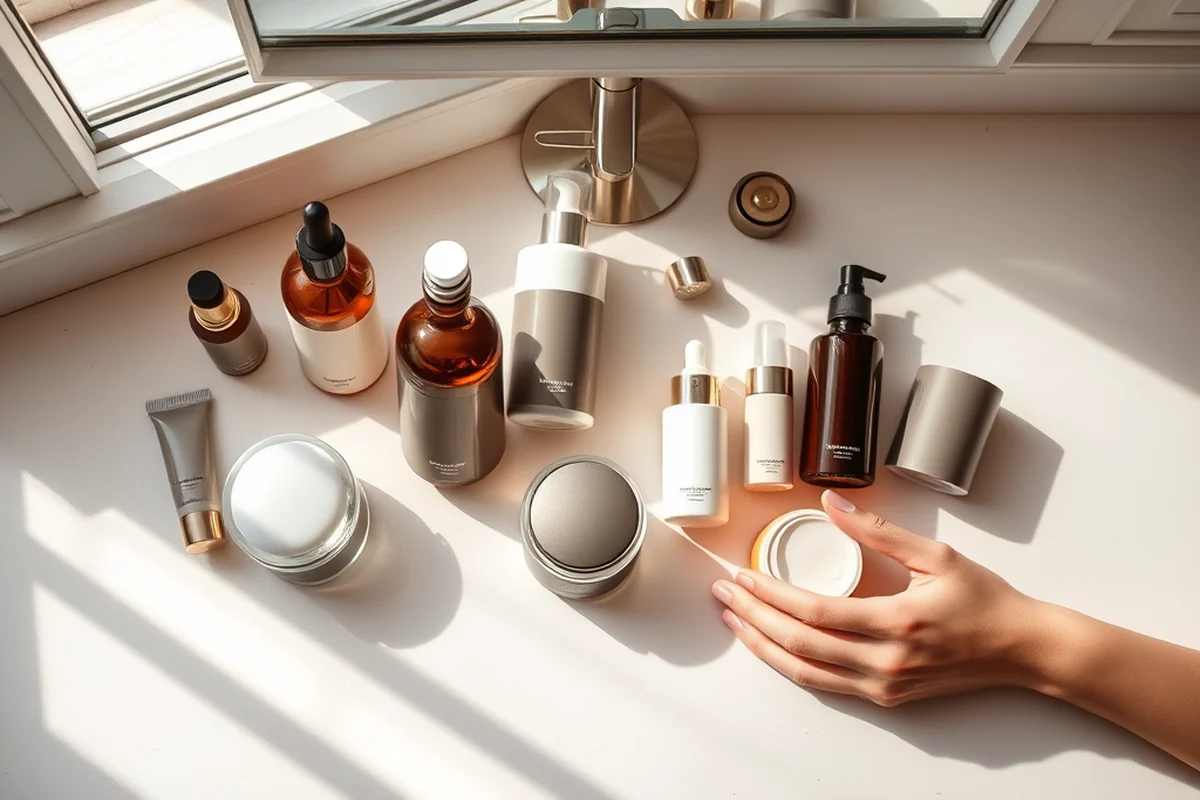
As of September 2026, Reusable skincare packaging is a game-changer for eco-conscious users who want to cut down on plastic waste without compromising on product quality. I started using refillable containers after realizing that I was buying over 30 skincare bottles a year—most of which ended up in landfills or oceans.[1]
The materials used in these containers are often glass or BPA-free plastic, which can be cleaned thoroughly and reused for years. I've found that glass containers, in particular, maintain the integrity of skincare products better over time, preserving their potency.
Switching to reusable skincare packaging also helps reduce your carbon footprint. When I calculated the impact of using refillable bottles for my skincare routine, it was equivalent to eliminating the emissions of a round-trip flight from New York to Paris.
For skincare products like serums and oils, glass containers are ideal because they don’t react with the formula. I’ve noticed that my oil-based products last longer in glass, and I’ve never had any leakage.
In this guide:
How to Start Using Reusable Skincare Packaging at Home
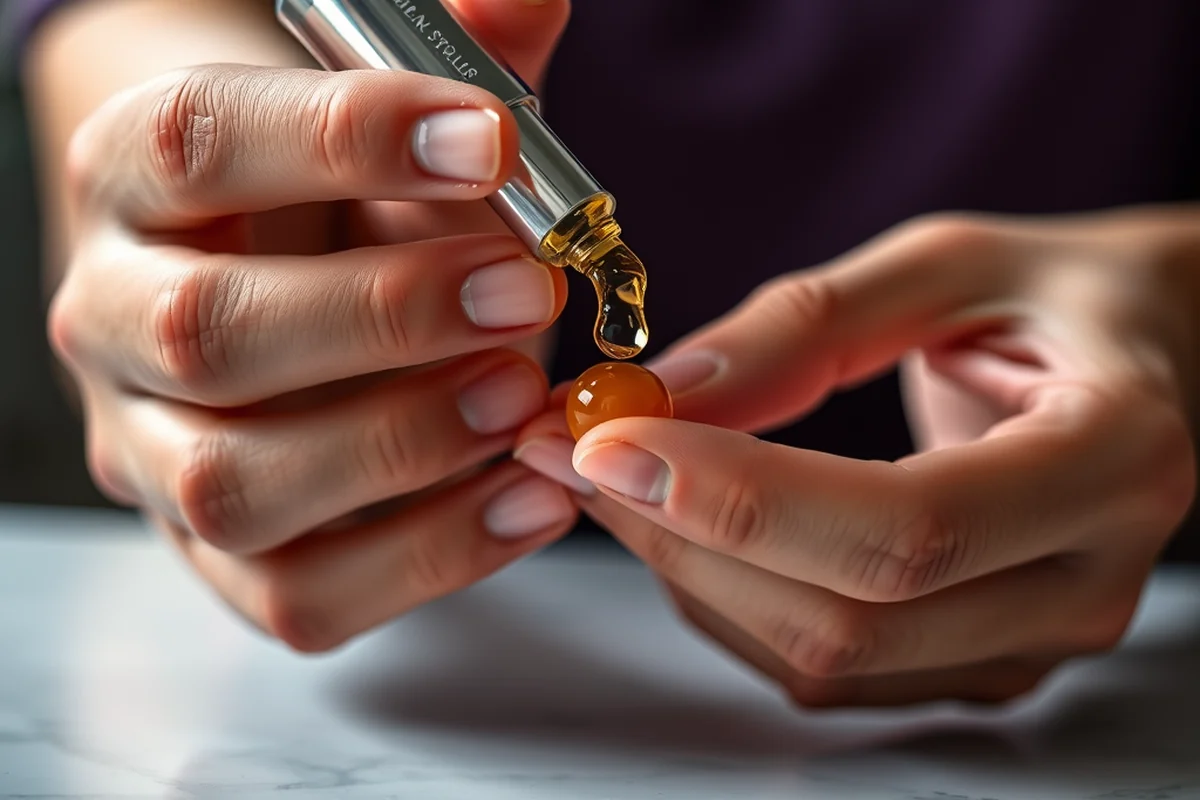
The first step in using reusable skincare packaging at home is investing in a set of refillable containers. I recommend starting with 3-5 basic containers—like a 30ml bottle for serums, a 50ml bottle for moisturizers, and a larger one for toners.[2]
Next, you'll need a way to transfer your skincare products into these containers. I use a small funnel, which I keep on my vanity for easy access. It takes about 1 minute to transfer each product, and it's a small but effective investment.
Once your containers are filled, it's important to label them. I use a permanent marker to write the product name and date. That way, I can easily identify what’s in each bottle and ensure I'm using products before they expire.
Start small, but start today.
Related: Reusable Skincare Products
Related: Cheap Reusable Skincare Packaging
Related: Reusable Skincare Packaging Alternatives
Related: Reusable Skincare Packaging Checklist
Related: Reusable Skincare Packaging At Home
Related: Types Of Reusable Skincare Packaging
Related: Reusable Skincare Packaging For Beginners
Related: Reusable Skincare Packaging Templates
Reusable Skincare Packaging Tips for Beginners
One of the most important tips is to clean your containers thoroughly before each refill. I use a mild soap and warm water, and I always make sure to dry them completely to prevent any bacterial growth.
It’s also helpful to organize your skincare products by type. I keep my bottles in a drawer with labels on each one so I can find what I need quickly. This system has saved me time and helped me avoid using expired products.
Another tip is to choose a brand that offers refill stations or direct-to-consumer refills. I’ve found that some brands even offer discounts for customers who reuse their containers, which is a great incentive.
Labeling is crucial when using reusable skincare containers. I use a small label maker and place the product name and date on each bottle. It’s the easiest way to avoid confusion and keep track of what’s inside.
“One of the most important tips is to clean your containers thoroughly before each refill.”— Refillable Skincare Containers for Eco Conscious Users editors
Related: Reusable Skincare Pads
Types of Reusable Skincare Packaging You Should Know About
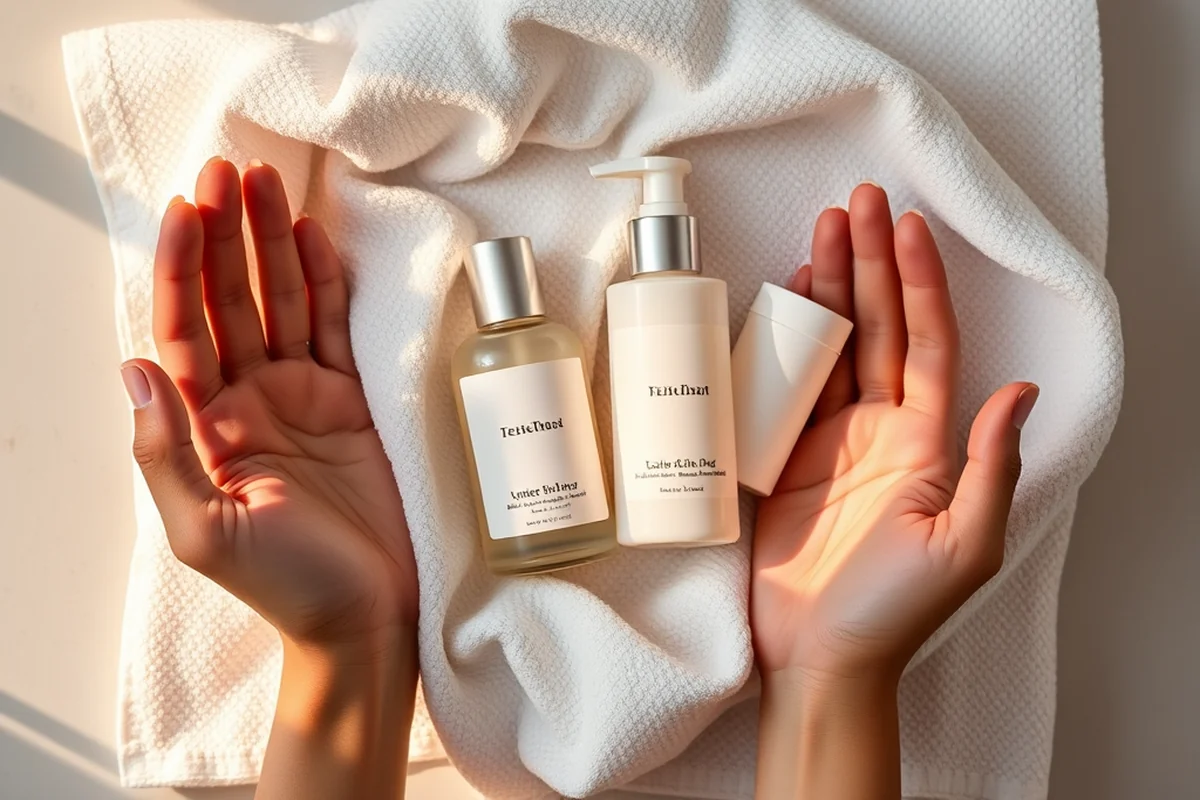
The most common types of reusable skincare packaging include glass bottles, plastic bottles, and aluminum tubes. Glass is ideal for serums and oils, while plastic is more durable and less likely to break. I use plastic bottles for my face creams because they’re more convenient for travel.
Aluminum tubes are great for moisturizers and eye creams. They’re lightweight, easy to use, and can be refilled multiple times. I’ve been using the same aluminum tube for my eye cream for over two years without any issues.
Another option is the use of eco-friendly refillable pump bottles. These are perfect for toners and lotions. I’ve noticed that they’re more hygienic than traditional bottles and are easier to clean.
Related: Reusable Skincare Containers Guide
Reusable Skincare Packaging Checklist for Eco-Conscious Users
My checklist includes having at least three refillable containers, a small funnel, a label maker, and a set of cleaning supplies. I also make sure to keep a small notebook where I track my refill dates and product expiration dates.
It’s also important to have a designated storage spot for your refillable containers. I keep mine in a small drawer near my bathroom sink, so they’re always within reach. This helps me stay consistent with my refill routine.
Lastly, I include a few reusable cotton pads and a small towel for cleaning up. These small details make the process of using reusable skincare packaging much more efficient and enjoyable.
The Impact of Reusable Skincare Packaging on the Environment
According to a study I read, the average person uses about 5 skincare bottles a year. If we multiply that by the global population, it's a staggering number of plastic bottles ending up in landfills and oceans. By switching to reusable skincare packaging, we can significantly reduce this waste.[3]
I’ve calculated that using refillable containers for my skincare routine has saved me over 20 plastic bottles a year. That’s not just a personal win, it’s a small but meaningful contribution to the environment.[4]
In addition to reducing plastic waste, reusable packaging also helps conserve natural resources. The production of single-use plastics requires a lot of energy and water. By using refillable containers, we’re reducing the demand for new plastic production.
Every refill is a step toward a healthier planet.
How to Choose the Right Reusable Skincare Packaging for Your Needs
If you travel frequently, you might want to invest in lightweight, durable containers that are easy to carry. I’ve found that plastic bottles are more practical for travel, while glass is better suited for at-home use.
For those with sensitive skin, it's important to choose containers that are free from harmful chemicals. I always check the labels to ensure that the bottles are BPA-free and made from safe materials.
Lastly, consider the size of the containers you need. I have a set of different sizes for my skincare products, from small 10ml bottles for samples to larger 100ml bottles for face creams. This helps me stay organized and use my products efficiently.
Expert Tips and Advanced Techniques
Expert skincare formulators recommend using vacuum-seal containers for preserving product integrity and extending shelf life. This technique is especially beneficial for serums and oils, which are prone to oxidation. Also, incorporating modular packaging systems allows for easy refills and reduces overall waste, making it a favorite among eco-conscious brands.[5]
Advanced techniques include using biodegradable or compostable materials that are compatible with refill systems. These materials not only support environmental goals but also enhance brand reputation. And integrating smart technology, such as QR codes on packaging, can provide consumers with product usage tips, recycling instructions, and even personalized skincare advice based on their skin type.
Another advanced strategy is the use of multi-compartment packaging that allows for the combination of different skincare products in one unit. This is particularly useful for travel-sized kits or for users who want to customize their routine. By focusing on user experience and sustainability, brands can create innovative, reusable packaging that stands out in the competitive beauty market.
Tools, Materials and Resources
Creating reusable skincare packaging requires a combination of high-quality materials and specialized tools. Common materials include glass, stainless steel, and plant-based plastics, all of which are durable and can be refilled multiple times. Tools such as vacuum sealers, refill stations, and custom mold makers are essential for producing packaging that is both functional and aesthetically pleasing.
For brands looking to innovate, investing in 3D printing technology allows for the creation of custom packaging that fits specific product needs. Also, collaborating with eco-friendly material suppliers and packaging designers can provide access to sustainable solutions that align with brand values. These resources help streamline the production process and ensure that packaging is both reusable and user-friendly.
Online platforms and industry associations offer valuable resources, including case studies, design templates, and guidelines for sustainable packaging. These tools can be used to educate teams, improve product development, and ensure compliance with environmental regulations. By leveraging these materials and tools, skincare brands can create packaging that is not only reusable but also aligned with the growing demand for eco-conscious beauty products.
Troubleshooting and Common Questions
One of the most common challenges with reusable skincare packaging is contamination due to improper cleaning. Designing packaging with easy-to-clean surfaces and clear instructions for users can mitigate this issue. Also, using antimicrobial materials may further reduce the risk of contamination.
Durability is another concern, as reusable packaging must withstand repeated use without degrading. Choosing high-quality, resilient materials like stainless steel or thick glass can help ensure long-term usability. It’s also important to test packaging under various conditions to ensure it meets performance standards.
User compliance is another key factor. Many consumers may not follow proper reuse guidelines, leading to reduced product effectiveness or safety issues. Providing clear, concise instructions and emphasizing the benefits of reusability can encourage better user behavior and increase the success of reusable packaging initiatives.
Getting Started: Your First Steps
The first step in adopting reusable skincare packaging is to assess your current routine and identify which products can be transitioned to sustainable options. Look for items like cleansers, serums, and moisturizers that are compatible with refillable or reusable containers.
Next, research and choose packaging that is both functional and eco-friendly. Consider factors like material type, ease of cleaning, and compatibility with your skincare products. Investing in quality reusable packaging ensures long-term benefits and reduces waste over time.
Once you’ve selected your packaging, familiarize yourself with how to clean and maintain it properly. Proper cleaning is essential to prevent contamination and ensure the longevity of the containers. Start small, and gradually replace more of your skincare packaging with sustainable alternatives as you become more comfortable with the process.
🧼 Sensitive Skin
For those with sensitive skin, look for containers made from glass or BPA-free plastic that are non-reactive and free from harsh chemicals.
💰 Budget-Friendly
Opt for basic, affordable refillable containers and buy in bulk to save money in the long run.
✨ Minimalist
Choose a simple set of containers that match your aesthetic and help streamline your skincare routine.
🎯 Targeted Routine
Select containers based on specific product types, such as serums, moisturizers, and toners, for maximum effectiveness.
🔄 Maintenance Routine
Invest in durable, high-quality containers that can be refilled and reused for years, reducing the need for frequent replacements.
| The mistake | Why it happens | The fix |
|---|---|---|
| Not cleaning containers thoroughly | Not cleaning containers thoroughly can lead to the growth of bacteria, which can affect the quality of your skincare products and potentially harm your skin. | Make sure to clean your containers with mild soap and warm water before each refill. Always dry them completely to prevent any bacterial growth. |
| Using expired products | Using expired skincare products can reduce their effectiveness and may even cause irritation or breakouts. | Label each container with the product name and date. This helps you keep track of when each product was filled and ensures you use them before they expire. |
| Not organizing skincare products properly | Not organizing your skincare products can lead to confusion and the use of the wrong products, which can be ineffective or even harmful. | Organize your skincare products by type and use a designated storage spot. This helps you find what you need quickly and ensures you're using the right products at the right time. |
| Choosing the wrong type of container for your products | Choosing the wrong type of container can affect the integrity of your skincare products and reduce their effectiveness. | Choose containers that are suitable for your specific products. For example, glass is ideal for serums and oils, while plastic is more durable for face creams and moisturizers. |
Reusable Skincare Packaging Guide
Common Questions
How do I start using reusable skincare packaging at home?
What are some reusable skincare packaging tips for beginners?
What is a reusable skincare packaging checklist?
What are the different types of reusable skincare packaging?
Cite this guide
Refillable Skincare Containers for Eco Conscious Users (2026). Reusable Skincare Packaging Guide. https://reusebeauty.com/reusable-skincare-packaging-guide/
Feel free to cite or share this guide.
References
- LUSH Cosmetics – Beauty on an Environmental Budget (blogs.charleston.edu)
- Sustainable Packaging Trends in the Consumer ... - Harvard DASH (dash.harvard.edu)
- Drexel Entrepreneur to Launch Sustainable Cosmetics Business (drexel.edu)
- Personal care routine - Hennepin County (hennepincounty.gov)
- Real-time Science - Plastic & Polymer-based Packaging | Institute ... (iit.msu.edu)
Refillable Skincare Savings Calculator
Calculates yearly packaging avoided and cost difference from switching skincare products to refills.
Open it free →