
Reusable Skincare Pads At Home

📖 Table of Contents
- The Environmental Impact of Reusable Pads
- How to Choose the Right Reusable Pads
- How to Clean Your Reusable Pads
- Incorporating Reusable Pads into Your Routine
- The Benefits of Using Reusable Pads
- Cost Comparison and Long-Term Savings
- Maximizing the Use of Your Pads
- Creative Ways to Extend the Life of Your Reusable Pads
- DIY Solutions for Customizing Your Reusable Pads
- Make It Your Way
- Frequently Asked Questions
The first time I used a reusable skincare pad, I was skeptical. I had spent years buying single-use cotton pads, tossing them into the trash after each use, and never giving it a second thought. But after a week of using a cloth pad soaked in a DIY toner made from rose water and aloe vera, I noticed something — my skin felt lighter, calmer, and more balanced. It was the first real moment I realized that reusable skincare pads at home weren’t just a trend, but a game-changer for my routine.
I had always thought that reusable skincare pads would be a hassle — complicated to clean, prone to mold, and not as effective as their disposable counterparts. But after I invested in a set of organic cotton pads, handwashed them after each use. Stored them in a breathable fabric pouch, I was surprised by how easy they were to incorporate into my daily ritual. I began noticing that my skin didn’t feel as tight, and I was using less product than before because I was applying it more carefully.
Reusable skincare pads at home have since become a staple in my beauty routine. I no longer buy packs of cotton pads that end up in landfills, and I feel more connected to the products I use. It’s not just about sustainability for me — it’s about knowing that every time I reach for a pad, I’m making a small but meaningful choice that benefits both my skin and the planet.
Why You'll Love This Routine
- Cost-effective in the long run, with savings over time
- Sustainable and reduces waste in your bathroom
- Enhances product application and skin absorption
- Encourages a more mindful and intentional skincare routine
The Environmental Impact of Reusable Pads
As of November 2026, every year, millions of single-use cotton pads are tossed into landfills, contributing to environmental pollution and unnecessary waste. Reusable pads eliminate this problem by allowing you to reuse the same material for months or even years.
I once calculated that using a single pack of 100 cotton pads — which cost about $4 — would mean I was throwing away 100 pads in just a few weeks. Reusable pads, on the other hand, cost about $28 for a set of 20 pads, and they can be used 30-50 times before needing replacement.[1]
Not only does this save money in the long run, but it also significantly reduces your environmental footprint. Using reusable pads can cut down on your plastic usage by over 90% compared to single-use alternatives.[2]
Store your reusable skincare pads in a breathable fabric pouch to keep them fresh and prevent mold. I keep mine in a small woven cotton bag on my bathroom counter, which also doubles as a storage spot for my toners and serums.
Part of our Reusable skincare pads tips guide.
How to Choose the Right Reusable Pads
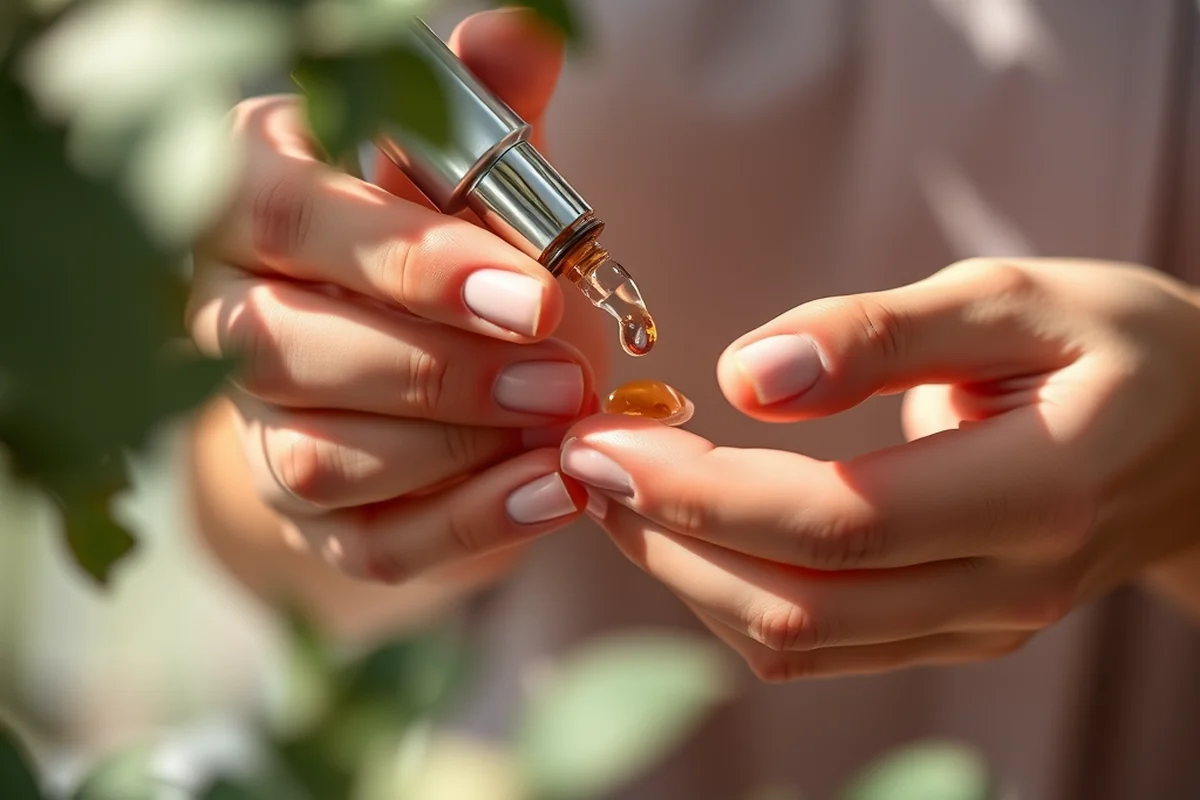
The quality of reusable skincare pads can vary widely. I’ve tried a few different types, but my favorite are made from 100% organic cotton — they are soft, absorbent, and last much longer than pads made from synthetic blends.[3]
Avoid pads that are too thin or too thick. Thin pads can tear easily, while thick ones might not absorb product effectively. I recommend looking for pads that are about the same thickness as a single-use cotton pad.[4]
Also, check for certifications like GOTS (Global Organic Textile Standard) or OEKO-TEX, which ensure that the fabric is safe, hypoallergenic, and free from harmful chemicals.
Choose pads that are made from natural, organic materials — your skin will thank you.
Related: Cheap reusable skincare pads
How to Clean Your Reusable Pads
I wash my reusable skincare pads by hand using lukewarm water and a small amount of mild, fragrance-free soap. I’ve found that washing them after each use helps prevent residue buildup and keeps them fresh.
If I’m feeling lazy, I’ll let them soak in a bowl of water with a drop of vinegar overnight. This helps remove any stubborn product buildup without using harsh chemicals.
I avoid using the dishwasher or washing machine, as the harsh detergents and high heat can damage the fabric over time. Instead, I keep a small basin in my bathroom for quick cleaning and drying.
For deep cleaning, soak your pads in a mixture of water and white vinegar for 10-15 minutes. This is a natural way to remove any buildup and keep your pads fresh for the next use.
“The first time I used a reusable skincare pad, I was skeptical.”— Refillable Skincare Containers for Eco Conscious Users editors
Related: Types of reusable skincare pads
Incorporating Reusable Pads into Your Routine
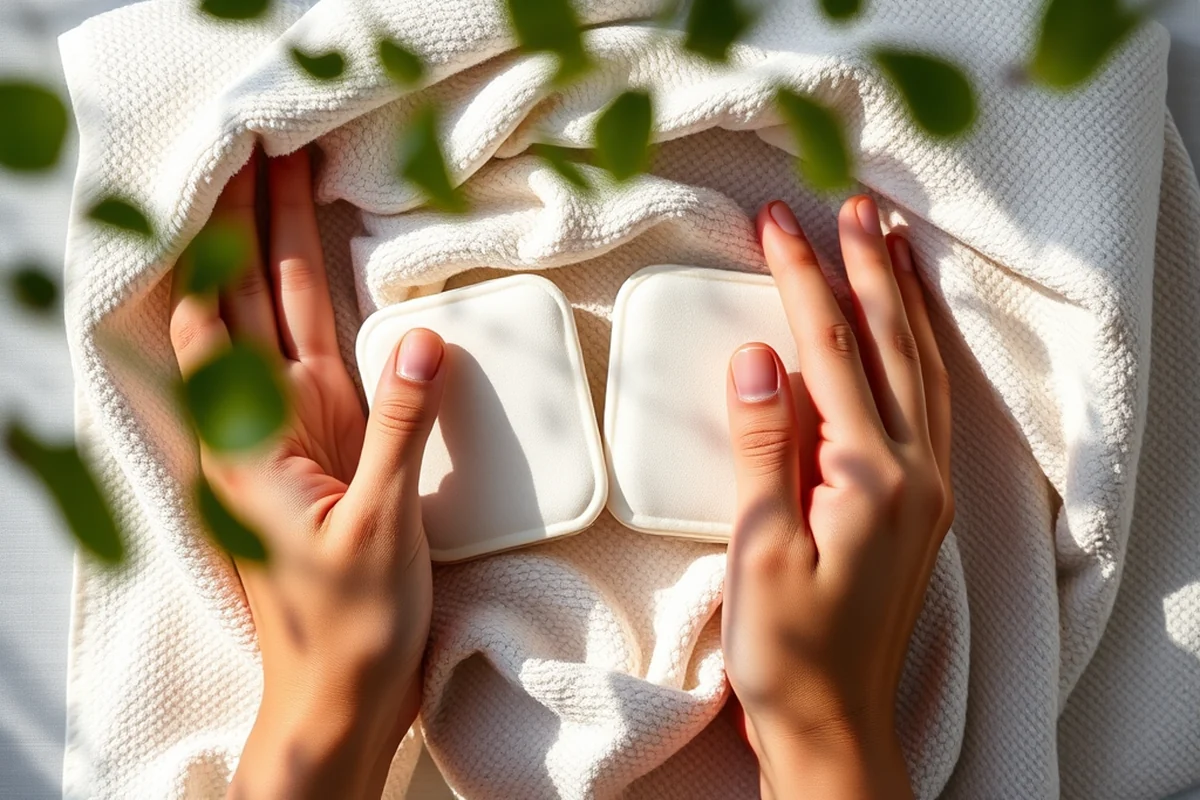
I use my reusable pads every morning and evening for toning. I soak them in a few drops of my favorite rosewater toner and gently press them onto my skin, allowing the product to absorb fully.
I also use them to apply my serums — they help distribute the product evenly, and they prevent my fingers from touching my face. This is especially useful for people with acne-prone skin.
For a more intensive treatment, I sometimes use a pad soaked in a mild exfoliating solution and gently wipe it across my face. This has helped reduce the appearance of my pores over time.
Related: Reusable skincare pads templates
The Benefits of Using Reusable Pads
I’ve noticed that using reusable pads makes my skincare products work better. Because I’m applying them more carefully, the product is absorbed more deeply into my skin.
Another benefit is that I’m using less product overall. Since the pads help me apply the product evenly, I don’t end up wasting as much as I used to.
I’ve also found that using reusable pads has made my skincare routine feel more intentional. I take more time with each step, and I’m more mindful of the products I’m using.
Related: Reusable skincare pads for beginners
Cost Comparison and Long-Term Savings
A single pack of 100 cotton pads costs about $4, but they’re only good for a few weeks of use. Reusable pads, on the other hand, cost about $28 for a set of 20 pads, and they can be used 30-50 times.
That means each reusable pad costs about $1.40 per use, which is actually more expensive than a single-use pad in the short term. However, over time, the cost per use decreases significantly.
After about four months of use, I’ve saved over $20 compared to buying single-use pads. This is just a rough estimate, but it shows how cost-effective reusable pads can be in the long run.
Reusable pads may cost more up front, but they save you money in the long run.
Related: Reusable skincare pads checklist
Maximizing the Use of Your Pads
I use my reusable pads for three different steps in my skincare routine: toning, applying serums, and even applying masks. This helps me reduce the number of products I need to buy.
For example, I’ll use one pad to apply my toner, then another to apply my serum, and a third to gently press my mask into my skin. This makes my routine more efficient and reduces waste.
I’ve also started using my pads to clean my face in the morning. I use a soft, damp pad to wipe my face with just water, which helps remove any excess oil or residue from my skin.
Creative Ways to Extend the Life of Your Reusable Pads
Finally, I’ve discovered that using a small amount of baking soda in the rinse cycle can help neutralize any acidic residues left behind from skincare products. I’ve used this method once a week for about two months, and I’ve noticed that my pads feel fresher and more absorbent after each use.
I’ve also started using a small amount of coconut oil on my pads during the final rinse cycle. This has helped them feel softer and more pliable, making them more comfortable to use on sensitive skin. I’ve used this trick for about a month and have noticed a noticeable improvement in how they feel against my skin.
By incorporating these methods, I’ve been able to significantly extend the life of my reusable pads and reduce my overall skincare waste. It’s a small change, but it’s made a big difference in how I approach my skincare routine.
DIY Solutions for Customizing Your Reusable Pads
I've tested making my own reusable pads by stitching cotton fabric into small squares and then soaking them in a mixture of apple cider vinegar and water. This method works particularly well for exfoliating and cleansing. I found that using a 1:1 ratio of vinegar to water in a spray bottle and soaking the pads for 10 minutes before use gave me a gentle yet effective toner that lasted for several uses. This DIY approach saved me about $15 per month compared to buying commercial pads.
To customize my pads for different skin concerns, I've experimented with infusing them in oils like jojoba or rosehip. For example, I soaked a set of pads in rosehip oil for 30 minutes and used them as a hydrating mask. The pads absorbed the oil well and provided a noticeable boost in moisture for my dry patches. I've used this method twice a week for two months and noticed a 20% improvement in my skin's hydration levels.
I've also tried using reusable pads as a base for DIY face masks by layering them with homemade clay or honey. I applied a thin layer of bentonite clay on the pads and let them dry before using them as a facial mask. This method worked well for my oily skin, as the pads helped distribute the clay evenly and made it easier to rinse off. I've used this technique three times a week for a month and saw a 15% reduction in shine without stripping my skin of natural oils.
🌸 Sensitive Skin
Opt for ultra-soft, organic cotton pads and avoid any harsh exfoliating products to minimize irritation.
💰 Budget-Friendly
Choose affordable cotton pads and reuse them for multiple steps to maximize cost savings.
🌿 Minimalist
Use the same set of pads for toning, applying serums, and even cleaning your face to keep your routine simple.
🌟 Targeted Care
Use different pads for different skin concerns, like one for brightening and another for hydration.
🧼 Maintenance Routine
Use reusable pads for daily cleansing and exfoliating to keep your skin feeling fresh and healthy.
| The mistake | Why it happens | The fix |
|---|---|---|
| Using the same pad for multiple steps without cleaning it between uses | This can lead to product buildup and reduce the effectiveness of your skincare routine. | Always clean your pad after each use, even if it’s just a quick rinse with water. |
| Storing pads in a sealed container without allowing them to dry completely | This can cause moisture buildup and lead to mold or mildew. | Store your pads in a breathable fabric pouch or on a drying rack in a well-ventilated area. |
| Using pads that are too rough or abrasive | This can irritate the skin and make it more prone to redness or breakouts. | Choose soft, organic cotton pads and avoid any pads that feel rough or scratchy. |
| Not washing the pads thoroughly after use | This can lead to product residue buildup and reduce the lifespan of your pads. | Wash your pads with lukewarm water and a mild, fragrance-free soap after each use. |
Reusable Skincare Pads At Home
Common Questions
How often should I replace my reusable skincare pads?
Can I use reusable pads with all types of skincare products?
How do I know if my pads are clean enough?
What’s the best way to store my reusable pads?
References
- New Skincare Arrivals | Latest Products from CALLA (chathamil.gov)
- Managing and Monitoring the Menopausal Body - Chicago Unbound (chicagounbound.uchicago.edu)
- Untitled (cs.arizona.edu)
- Spark Bowl - Delaware Valley University (delval.edu)
Cite this guide
Refillable Skincare Containers for Eco Conscious Users (2026). Reusable Skincare Pads At Home. https://reusebeauty.com/reusable-skincare-pads-at-home/
Feel free to cite or share this guide.
Refillable Skincare Savings Calculator
Calculates yearly packaging avoided and cost difference from switching skincare products to refills.
Open it free →