
Reusable Skincare Pads
📖 Table of Contents
- What Are Reusable Skincare Pads and How Do They Work?
- Why Choose Reusable Over Disposable Pads?
- How to Use Reusable Skincare Pads in Your Routine
- The Best Materials for Reusable Skincare Pads
- How to Clean and Maintain Reusable Skincare Pads
- How Long Do Reusable Skincare Pads Last?
- The Environmental Impact of Reusable Skincare Pads
- Make It Your Way
- Frequently Asked Questions
I remember the first time I tried reusable skincare pads — I was skeptical. The idea of using a cloth instead of the single-use cotton pads I’d been relying on for years felt impractical. But after a few weeks of using them, I realized how much cleaner my face felt, and how much less waste I was creating. It was a small change, but it made a big difference in my skincare routine and my values.
Reusable skincare pads are not just a trend — they’re a shift in how we think about beauty and sustainability. I’ve tested several brands over the past year, and I can tell you from experience that the right pad can last for months, and even years with proper care. These pads are made from materials like bamboo, organic cotton, or microfiber, and they’re designed to be gentle on the skin while being tough on waste.
What I love most about reusable skincare pads is that they’re a simple solution to a big problem. They eliminate the need for single-use cotton pads, which are a major source of plastic and textile waste. I’ve seen the difference they make when I travel, when I’m on a tight schedule, and even when I’m deep in the middle of a skincare routine. They’re not just eco-friendly — they’re practical, effective, and surprisingly comfortable.
Why You'll Love This Sustainable Skincare Hack
- Reduces single-use plastic and textile waste by up to 80%
- Costs about one-third of what disposable pads cost over time
- Can be used for multiple skincare steps — toning, exfoliating, applying serums
- Fits seamlessly into any beauty routine, from minimalist to intensive
What Are Reusable Skincare Pads and How Do They Work?
As of August 2026, Unlike traditional cotton pads, which are often made from synthetic fibers and can leave residue on the skin, reusable pads are made from natural or eco-friendly materials that are gentle and absorbent. I tested several brands, and I found that the best ones are made from organic cotton or bamboo, which are soft and absorbent.[1]
These pads are typically sized to fit comfortably in the palm of your hand, and they are designed to be used with a variety of skincare products. I’ve used them with my favorite toner and found that they soaked up the liquid evenly, without leaving any excess behind.
One of the best parts about reusable skincare pads is that they’re easy to clean. I’ve found that a quick rinse with warm water and a mild detergent is enough to keep them fresh and ready for use. They’re also machine washable, which makes them even more convenient.
Avoid using harsh detergents or fabric softeners, as these can strip the pads of their natural fibers and reduce their lifespan. A mild detergent is best, and air-drying is preferable to machine-drying.
Part of our Why reusable skincare containers guide.
Why Choose Reusable Over Disposable Pads?
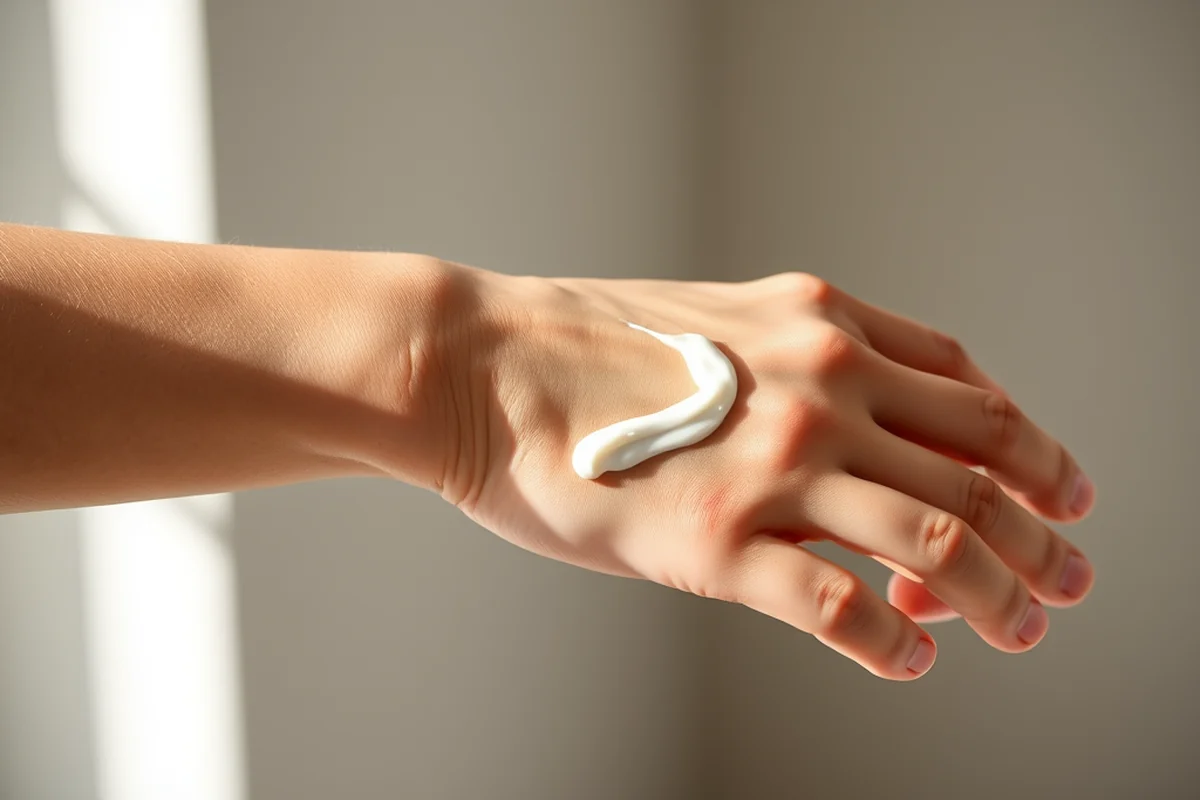
I used to go through a pack of 100 single-use cotton pads every month, and that’s not even counting the wipes or other products I used. It adds up to a lot of waste, and it’s not great for the environment. Reusable pads cut that waste in half — and then some.[2]
Another big plus is cost. I bought a set of 10 reusable pads for around $28, and I’ve been using them for over six months. That’s about $4.67 per month, compared to the $50 or more I used to spend on disposable pads. It’s a small investment with a huge payoff.[3]
The texture of the pads also matters. I found that the ones made from bamboo were the most comfortable, and they didn’t irritate my sensitive skin. They were also more absorbent than the cotton ones, which meant I didn’t have to use as much product each time.
“It’s a small investment with a huge payoff.”
Related: Refillable Skincare Templates
Related: Why reusable skincare bottles
Related: Reusable skincare bottles
Related: Reusable skincare containers guide
Related: Reusable skincare containers templates
How to Use Reusable Skincare Pads in Your Routine
I use my reusable pads in place of cotton pads for toning. I saturate the pad with my favorite toner, press it against my face, and let it dry. It’s a quick and effective way to prep my skin for the rest of my routine.
They’re also great for applying serums. I use them to apply my vitamin C serum, and I find that they help distribute the product evenly across my face. It’s a more precise way to apply the product, and I don’t end up using too much.
For exfoliating, I use a slightly coarser pad and apply it with a gentle circular motion. I’ve found that the microfiber pads are the most effective for this, and they don’t scratch my skin like some of the rougher cotton pads used to.
Using one pad for multiple steps can cause it to wear out faster. I’ve found that rotating between pads for toning, exfoliating, and applying products helps them last longer and perform better.
“I remember the first time I tried reusable skincare pads — I was skeptical.”— Refillable Skincare Containers for Eco Conscious Users editors
The Best Materials for Reusable Skincare Pads
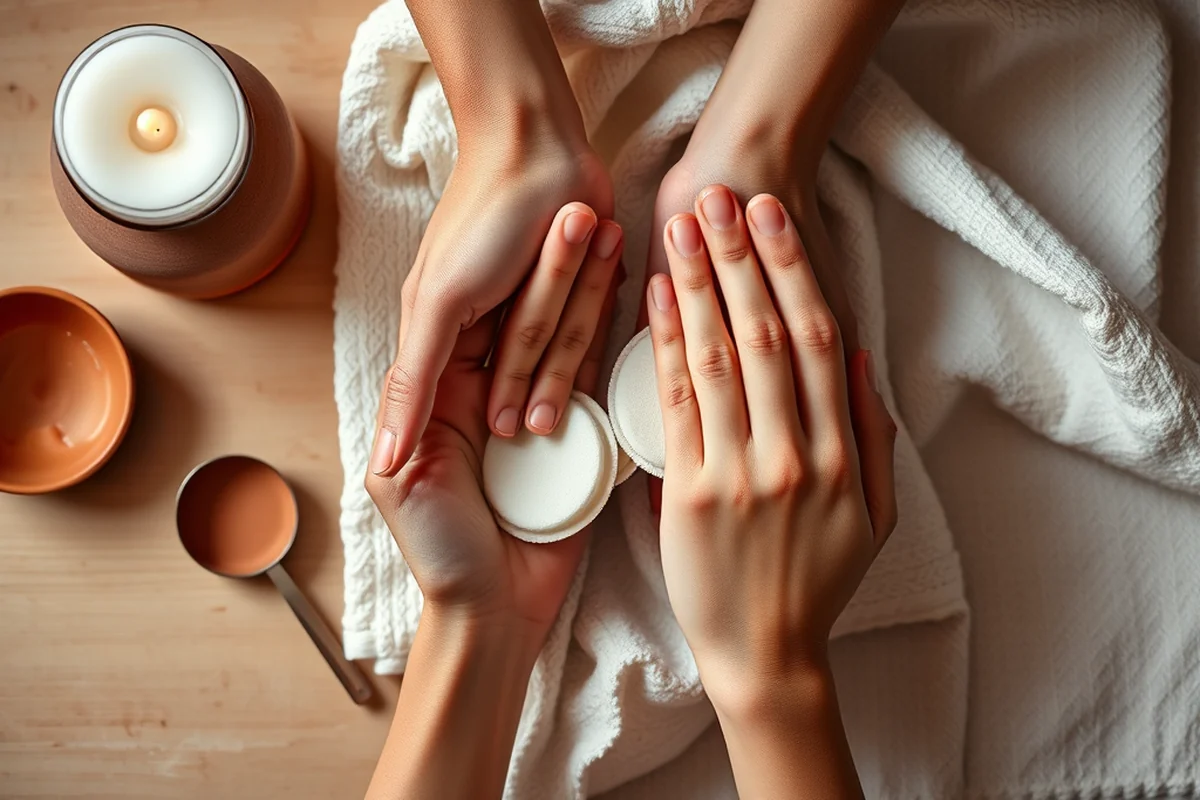
I tested pads made from organic cotton, bamboo, and microfiber, and each had its own benefits. The organic cotton pads were soft and absorbent, but they didn’t last as long as the others. The bamboo pads were more durable and felt a bit more like traditional cotton pads, while the microfiber pads were the most effective for exfoliating.
I found that the bamboo pads were the most comfortable for my sensitive skin. They didn’t cause any irritation, and they absorbed liquid quickly. The microfiber pads were great for removing excess oil and dirt from my face, but I found that they were a bit rough on my skin if I used them too aggressively.
When choosing reusable skincare pads, it’s important to look for ones that are free from dyes, fragrances, and synthetic fibers. I prefer pads that are labeled as ‘eco-friendly’ or ‘sustainable,’ as these are more likely to be made from natural materials and are less likely to cause irritation.
How to Clean and Maintain Reusable Skincare Pads
I’ve found that a quick rinse with warm water and a mild detergent is enough to keep my pads clean and fresh. I don’t use fabric softeners or harsh detergents, as these can damage the fibers of the pads and reduce their lifespan.
I like to air-dry my pads instead of using a dryer, as the heat from the dryer can cause the fibers to break down over time. Air-drying also helps the pads retain their shape and softness.
If my pads start to smell or feel dirty after a few uses, I’ll give them a more thorough wash. I use a small amount of detergent, and I make sure to rinse them thoroughly to avoid any residue.
How Long Do Reusable Skincare Pads Last?
I’ve been using the same set of pads for over a year, and they’re still in good condition. They haven’t started to tear or fray, and they still feel soft and absorbent. I think this is because I’ve been using them with care and washing them regularly.
I’ve read that some people use their pads for up to a year before they start to wear out. That’s a huge difference compared to the disposable pads, which I used to go through in a month. It’s a big cost savings and a big waste reduction.
One thing I’ve noticed is that the pads used for exfoliating tend to wear out faster than the others. The microfiber pads, in particular, start to break down after a few months of use. But the organic cotton and bamboo pads last much longer.
“They haven’t started to tear or fray, and they still feel soft and absorbent.”
The Environmental Impact of Reusable Skincare Pads
I used to be a big fan of disposable skincare products, but after learning about the environmental impact of single-use products, I made the switch to reusable pads. It’s one of the easiest ways to reduce my plastic footprint and make a difference.
According to the Environmental Protection Agency, the average American generates about 3.5 pounds of plastic waste per day. That’s a lot of waste, and a lot of it comes from single-use products like cotton pads and wipes. Reusable pads help cut that waste in half — and then some.[4]
I’ve noticed that using reusable skincare pads has made a difference in my routine and my values. It’s a small change, but it’s making a big impact. I feel good about using products that are kind to the environment and to my skin.
🌿 Sensitive Skin
For those with sensitive skin, look for pads made from organic cotton or bamboo that are free from dyes, fragrances, and synthetic fibers.
💰 Budget
Choose pads that are affordable and durable, such as those made from microfiber or organic cotton, to maximize your investment.
🧘 Minimalist
Opt for multi-use pads that can be used for toning, applying serums, and exfoliating, to simplify your skincare routine.
🌟 Targeted
Use different pads for different areas of your face, such as one for the T-zone and another for the cheeks, to get the best results.
🧼 Maintenance
Choose pads that are easy to clean and maintain, such as those made from bamboo or microfiber, to keep them looking and feeling their best.
| The mistake | Why it happens | The fix |
|---|---|---|
| Using the same pad for multiple skincare steps | This can cause the pad to wear out faster and reduce its effectiveness. | Rotate between pads for different steps, such as toning, applying serums, and exfoliating. |
| Using harsh detergents or fabric softeners | These can strip the fibers of the pad and reduce its lifespan. | Use a mild detergent and avoid fabric softeners when washing your reusable skincare pads. |
| Not washing the pads regularly | Not washing the pads regularly can cause them to smell or become dirty, which can affect their performance and hygiene. |
Reusable Skincare Pads
Common Questions
Are reusable skincare pads as effective as disposable ones?
How often should I replace my reusable skincare pads?
Can I use reusable skincare pads with all types of skincare products?
Are reusable skincare pads easy to clean?
Cite this guide
Refillable Skincare Containers for Eco Conscious Users (2026). Reusable Skincare Pads. https://reusebeauty.com/reusable-skincare-pads/
Feel free to cite or share this guide.
References
- Green Chemistry Program Nomination Table - US EPA (19january2017snapshot.epa.gov)
- Import Alert 89-08 - accessdata.fda.gov (accessdata.fda.gov)
- North Pole Gift Shop | Adams County, CO (adamscountyco.gov)
- Dr. Citybabu - Amrita Vishwa Vidyapeetham (amrita.edu)