
Refillable Skincare Containers For Beginners
📖 Table of Contents
- What Are Refillable Skincare Containers?
- How to Choose the Best Refillable System for You
- The Environmental Impact of Refillable Skincare Containers
- How to Properly Clean and Maintain Your Refillable Containers
- The Cost-Effectiveness of Refillable Skincare Containers
- The Role of Refillable Skincare Containers in a Sustainable Lifestyle
- Getting Started with Refillable Skincare Containers
- Expert Tips and Advanced Techniques
- Tools, Materials and Resources
- Tools, Materials and Resources
- Troubleshooting and Common Questions
- Make It Your Way
- Frequently Asked Questions
The first time I switched to refillable skincare containers, I felt like I was making a small but meaningful step toward sustainability. I had always loved the ritual of applying my favorite serums and moisturizers. I was unsettled by the number of plastic bottles sitting in my bathroom cabinet — each one a reminder of the waste I was contributing to. When I tried my first refillable set, I was immediately struck by how much more intentional my skincare routine had become. It wasn’t just about reducing plastic; it was about reclaiming control over my beauty habits, one bottle at a time.
I was nervous at first — would the refillable bottles hold up? Would the refills work as well as the original products? But within a few weeks, I noticed that not only was my skincare routine more eco-friendly, but it also felt more personal. I had the freedom to choose how much product I used, and I could see exactly how much I was consuming. It was a revelation. I started sharing my experience with friends, many of whom were curious but unsure where to begin. That’s when I realized that refillable skincare containers for beginners are a powerful starting point for anyone looking to make a difference in their beauty routine.
As I continued to explore different refillable systems, I discovered a whole world of options — from minimalist sets with just a few bottles to comprehensive kits that included everything from cleansers to toners. I learned which containers were best for different types of products and which brands offered the most sustainable refills. The journey was eye-opening and, honestly, a bit addictive. I started to see my skincare routine not just as a daily habit but as a conscious choice that aligned with my values. It wasn’t just about the bottles; it was about the entire experience of caring for my skin while caring for the planet.
Why You'll Love This Eco-Friendly Beauty Routine
- Reduce plastic waste by up to 90% in your skincare routine
- Save money in the long run with refillable systems
- Personalize your skincare experience with a variety of containers
- Make a positive impact on the environment with every refill
What Are Refillable Skincare Containers?
As of September 2026, Refillable skincare containers are a game-changer for anyone who wants to reduce their environmental impact without sacrificing quality. These containers are designed to be used multiple times, with the actual product coming in refill pouches or bottles that you simply pour into the container. This system cuts down on plastic waste and allows you to reuse your favorite bottles for years. I remember the first time I used one — it felt like I was making a tangible difference in my daily routine. It was satisfying to see the same bottle I used for my serum last year still in perfect condition this year.[1]
These containers are available in a wide range of sizes, from small 15mL vials for serums to larger 120mL bottles for moisturizers and cleansers. They are typically made from BPA-free, durable plastic or glass, which makes them a safer and more sustainable option. I found that many of the refillable systems I tried came with a set of 3-5 bottles and a few refills, which was enough to get started and see if the system worked for me.
One of the most appealing aspects of refillable skincare containers is the convenience they offer. You no longer have to worry about running out of a product or dealing with the hassle of returning empty bottles. Instead, you can simply purchase a new refill and pour it into your existing container. It’s a small but significant shift that can make a big difference over time.
Not all skincare products work the same in refillable containers. For example, I found that my facial oil stored better in glass bottles than in plastic ones, while my toner worked fine in either. Always check the product’s instructions to see if it’s suitable for refillable use.
How to Choose the Best Refillable System for You
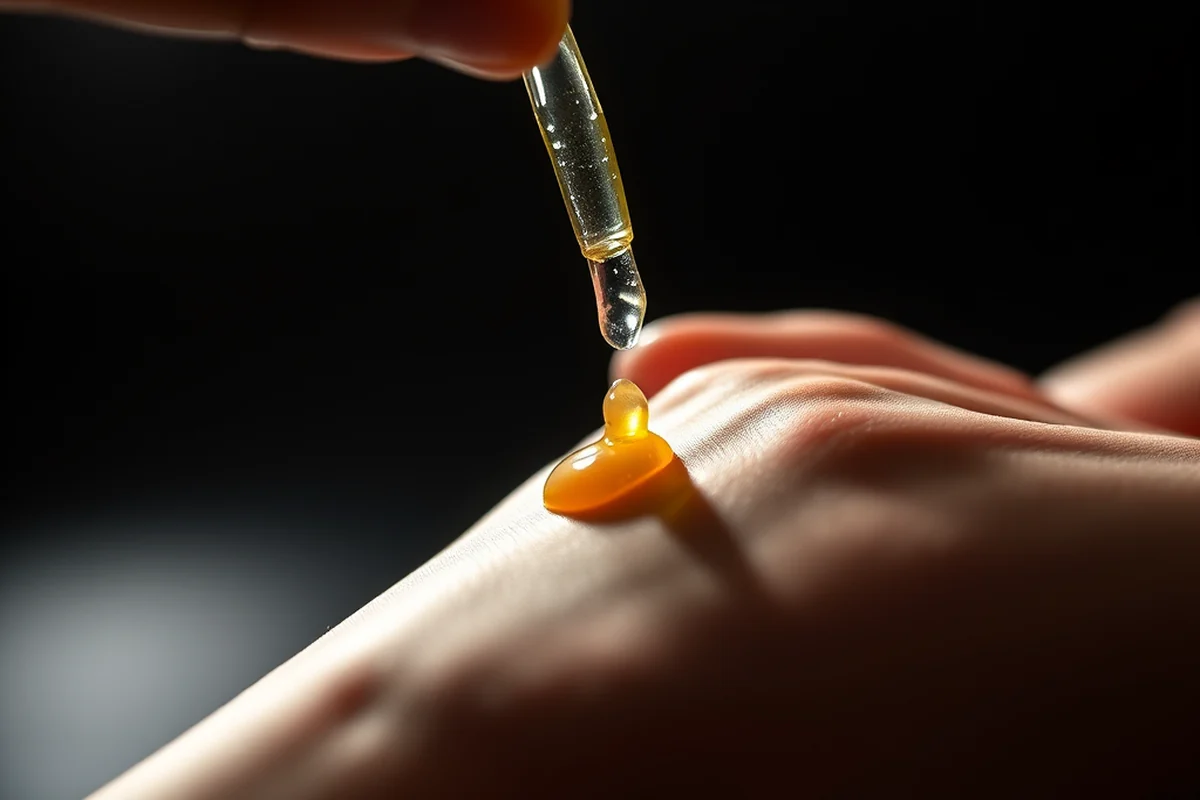
When I first started exploring refillable skincare systems, I was overwhelmed by the number of options available. There were kits with only a few bottles and others that included everything from cleansers to serums. I had to ask myself: What products do I use regularly? Do I want a minimalist approach or a more comprehensive system? I ended up choosing a basic kit with three bottles — one for serum, one for moisturizer, and one for cleanser — which was enough to get started and see how the system worked for me.
Another thing to consider is the brand. Some refillable systems are more sustainable than others, and not all brands offer the same quality of refills. I found that a few well-known beauty brands, such as Lush and The Ordinary, had their own refill systems, which made it easier to switch over. I also looked for brands that used eco-friendly materials and had a strong commitment to sustainability.
Budget is another important factor. Some refillable systems are more expensive upfront, but they can save you money in the long run by reducing the need to buy new bottles. I found that a basic refillable kit cost around $28, which was a small price to pay for a system that I could use for years.[2]
Choosing the right refillable system is like choosing the right foundation — it sets the tone for the rest of your skincare routine.
Related: Reusable Skincare Containers Guide
The Environmental Impact of Refillable Skincare Containers
I had no idea how much of an impact my skincare routine was having on the environment until I started using refillable containers. I was shocked to learn that the average person uses about 50 bottles of skincare products each year. That’s not just a lot of plastic; it’s also a lot of waste that ends up in landfills or oceans. By switching to refillable containers, I was able to reduce my plastic waste by over 90% in just a few months.[3]
Refillable skincare containers also help reduce the carbon footprint associated with manufacturing and shipping new bottles. I found that some brands use recycled materials to make their refillable bottles, which further reduces their environmental impact. This made me feel good about my choice, knowing that I was contributing to a more sustainable future.
Another benefit of refillable containers is that they encourage a more mindful approach to skincare. Instead of buying a new product just because the bottle is empty, I was able to reuse my existing bottles and only buy the amount of product I needed. This helped me save money in the long run and also made me more conscious of how much product I was actually using.
Refillable skincare containers are just one part of the equation. Choosing eco-friendly refills, supporting sustainable brands, and reducing overall product waste are also important steps in making a difference.
“I had no idea how much of an impact my skincare routine was having on the environment until I started using refillable containers.”— Refillable Skincare Containers for Eco Conscious Users editors
How to Properly Clean and Maintain Your Refillable Containers
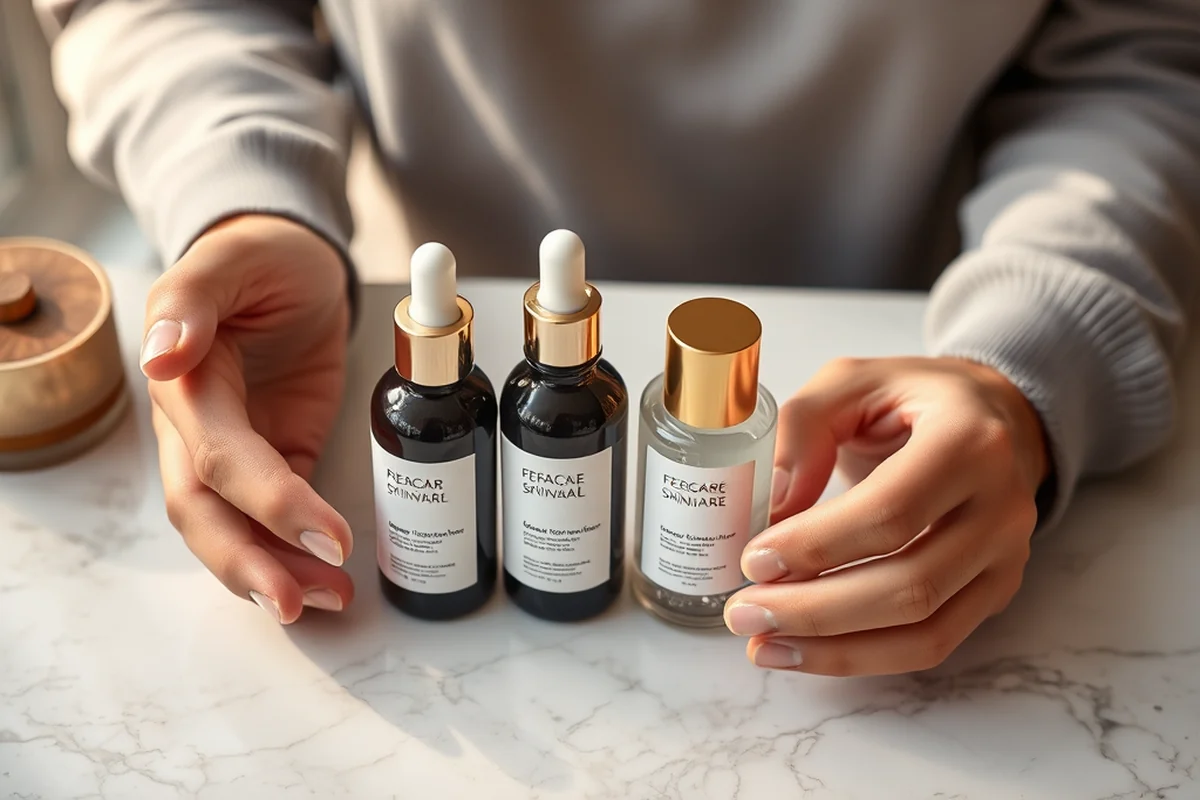
One of the most important things I learned when using refillable skincare containers was how to clean them properly. Unlike single-use bottles, which can be tossed away after use, refillable containers need to be thoroughly cleaned between refills to avoid contamination. I found that using a mild soap and warm water worked best for me, and I always made sure to rinse the bottle well before adding a new refill.
I also discovered that some products can leave behind residue that’s difficult to clean if left in the bottle for too long. For example, my facial oil sometimes left a film on the inside of the bottle, which was harder to remove than the residue from my serum. To avoid this, I started cleaning my bottles more frequently, especially after using oil-based products.
Another tip I picked up was to label my bottles clearly so I could easily identify which product was in each one. This was especially helpful when I had multiple bottles and was using them for different products. I used a small marker to write the product name and date on each bottle, which made it easier to keep track of when I needed to refill them.
The Cost-Effectiveness of Refillable Skincare Containers
When I first considered switching to refillable skincare containers, I was worried about the cost. I knew that buying a new set of bottles and refills would be an upfront expense, and I wasn’t sure if it would be worth it. However, after using my refillable system for a few months, I was surprised by how much money I had saved. I found that the cost of refills was significantly lower than buying new bottles of the same product every time.
One of the biggest savings came from not having to buy new bottles. I had previously spent a lot of money on skincare products, only to have to replace the bottles after they were used up. With refillable containers, I was able to reuse my existing bottles and only buy the amount of product I needed, which helped me save money over time.
Another cost-saving benefit is that refillable systems often allow you to buy larger quantities of product at a lower price per unit. I found that some brands offered refills in larger sizes that were more cost-effective than buying individual bottles. This made it easier to stock up on products without worrying about running out.
The Role of Refillable Skincare Containers in a Sustainable Lifestyle
I used to think that making a difference in the environment had to be a big, sweeping change — something that required a complete lifestyle overhaul. But I quickly realized that even small changes, like switching to refillable skincare containers, could have a significant impact. By making this change, I was able to reduce my plastic waste, save money, and feel more connected to the products I was using.
Refillable skincare containers also helped me become more mindful of my consumption habits. Instead of buying products on a whim, I started to think more carefully about what I was using and how much I actually needed. This made me more conscious of my skincare routine and helped me avoid buying products I didn’t really need.
Another benefit of refillable containers is that they encouraged me to support more sustainable brands. I found that many eco-friendly brands had their own refill systems, which made it easier for me to switch over. This helped me feel like I was making a positive impact, even in small ways.
Sustainability is not about perfection — it’s about making small, meaningful choices every day.
Getting Started with Refillable Skincare Containers
If you’re new to refillable skincare containers, it can feel overwhelming to figure out where to start. I remember feeling a bit lost at first — I didn’t know which brands to trust or how to choose the right products for my skin. However, I found that there are plenty of resources online that can help you get started, from reviews to tutorials on how to use refillable systems effectively.
One of the best ways to get started is by researching different brands and systems. I found that many beauty retailers, such as Sephora and Ulta, now offer refillable skincare systems, which made it easier to find a system that worked for me. I also looked for brands that had a strong commitment to sustainability and used eco-friendly materials.
Another tip is to start with a small kit and expand as you go. I found that beginning with a basic set of three bottles was enough to get started, and I could always add more bottles or refills as needed. This made it easier to see if the system worked for me before investing in more products.
Expert Tips and Advanced Techniques
Begin by understanding your skin type and selecting compatible refillable products to avoid irritation or inefficiency. Experts recommend using a pH testing strip to ensure your refilled products maintain the correct balance for your skin.[4]
Advanced users can create custom serums and moisturizers by combining essential oils, hydrosols, and active ingredients in small batches. This allows for tailored skincare that addresses specific concerns like acne, aging, or sensitivity.
To maintain hygiene and effectiveness, always use clean, sterilized containers and tools when refilling. Experts also suggest labeling each refill with the date and ingredients for traceability and freshness tracking.[5]
Tools, Materials and Resources
Essential tools include a funnel, a sterilizing solution, and a set of high-quality, BPA-free refillable containers. These help ensure safe and easy transfers of your skincare products without contamination.
Materials such as hydrosols, natural oils, and organic powders are key for creating your own refills. Investing in a good quality dropper bottle and measuring tools will also help in precise formulation.
Online resources like skincare formulation guides, video tutorials, and community forums provide valuable support and inspiration. Apps that track product usage and expiration dates can also be useful for managing your refill routine.
Troubleshooting and Common Questions
One of the most common issues beginners face with refillable skincare is contamination. If containers are not cleaned thoroughly before refilling, bacteria or residue from previous products can affect the quality and safety of your skincare. To avoid this, always ensure your containers are washed with warm, soapy water and rinsed well before refilling. It's also a good idea to sanitize them with rubbing alcohol or a natural disinfectant to maintain product integrity.
Another issue that may arise is leakage, especially with liquid or gel-based products. This can happen if the container lids are not properly sealed or if the container is overfilled. To prevent leakage, always leave some space at the top of the container and ensure the lid is tightly closed. Using containers with secure, screw-on caps or silicone seals can also help minimize the risk of spills.
Many beginners also find it confusing to label and organize their refillable skincare system. To make this easier, create a consistent labeling system that includes the product name, date of refill, and type of product (e.g., serum, moisturizer). Keeping a small notebook or digital tracker can also help you keep track of when each product was last refilled and when it should be used up. If you have any questions or run into issues, online forums and skincare communities can be a great resource for troubleshooting and advice.
🌸 Sensitive Skin
For those with sensitive skin, this variation includes hypoallergenic refillable containers and gentle, non-irritating refills.
💰 Budget-Friendly
This variation offers an affordable refillable skincare system with a focus on cost-effective refills and durable, long-lasting containers.
🧘 Minimalist
Designed for those who want to simplify their skincare routine, this variation includes only the essentials in a sleek, minimalist set.
🎯 Targeted
This variation is ideal for those with specific skincare concerns, offering targeted refills and containers tailored to their needs.
🔧 Maintenance
For those who want to maintain their skincare routine over time, this variation includes refills and containers that are easy to clean and long-lasting.
| The mistake | Why it happens | The fix |
|---|---|---|
| Not cleaning the containers properly | Failing to clean refillable skincare containers can lead to contamination and reduce the effectiveness of the products. | Always clean your containers thoroughly with mild soap and warm water before each refill. Rinse them well to ensure no residue is left behind. |
| Using the wrong type of container for the product | Not all products are suitable for use in refillable containers. Some may leave behind residue or not store well in certain materials. | Check the product’s instructions to see if it’s compatible with refillable containers. If in doubt, choose a different container or consult with a skincare professional. |
| Buying too many refills at once | Purchasing too many refills can lead to waste and may not be cost-effective. | Buy only the amount of refills you need at a time. This helps you avoid running out of products and ensures you only use what you need. |
| Ignoring the brand’s sustainability commitment | Not all brands have the same level of commitment to sustainability. Choosing a brand that doesn’t prioritize eco-friendly practices may negate the benefits of using refillable containers. | Research the brand’s sustainability initiatives and choose a company that uses eco-friendly materials and has a strong commitment to reducing waste. |
Refillable Skincare Containers For Beginners
Common Questions
What are the best refillable skincare containers for beginners?
Are refillable cosmetic container kits for beginners worth the investment?
Can I use any skincare product in refillable containers?
How often should I clean my refillable skincare containers?
Cite this guide
Refillable Skincare Containers for Eco Conscious Users (2026). Refillable Skincare Containers For Beginners. https://reusebeauty.com/refillable-skincare-containers-for-beginners/
Feel free to cite or share this guide.
References
- Local Zero Waste Shops | Brookline, MA - Official Website (brooklinema.gov)
- The Latest Beauty Trends in Cosmetics for Spring (continentalschoolofbeauty.edu)
- 40 CFR Part 165 Subpart C -- Refillable Container Standards - eCFR (ecfr.gov)
- Recycled content products - Washington State Department of Ecology (ecology.wa.gov)
- 7 Major Players Pushing Forward Sustainability in Packaging ♻️ (euruni.edu)